
Automechanika Frankfurt 2026: The Aftermarket Is Becoming a Software Business
Written by Admin • 2026-09-08 01:11:00
Topics
Cars are becoming computers on wheels, and that transformation is reaching the workshop. Automechanika Frankfurt 2026 reveals how software, AI, and connectivity are reshaping the global automotive aftermarket.
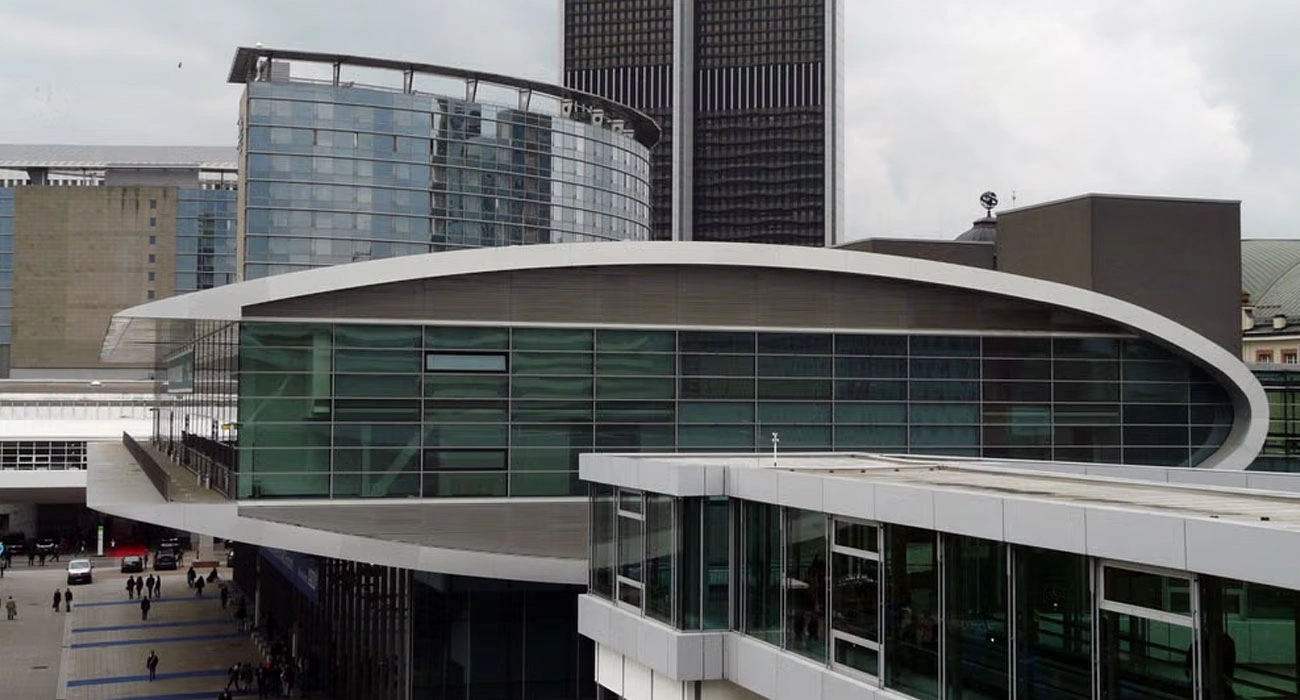
Automechanika Frankfurt 2026: The Aftermarket Is Becoming a Software Business
The automotive industry's biggest transformation may happen inside the workshop.
The Car Is Becoming a Computer
As vehicles evolve, the definition of a modern car is rapidly changing. With the integration of advanced software systems, cars are transforming into complex computers on wheels. This shift is not just about improved performance; it fundamentally alters how vehicles are designed, manufactured, and maintained. Traditional mechanical components are now supplemented by software-driven functionalities, making the understanding of coding and software diagnostics essential for automotive professionals.
The rise of software-defined vehicles means that workshops must adapt to a new reality where mechanical expertise alone is insufficient. Mechanics are now expected to troubleshoot software issues, manage cybersecurity risks, and utilize diagnostic tools that analyze both hardware and software functionalities. This evolution is prompting a significant shift in training and educational requirements within the automotive sector.
What This Means for Workshops
Workshops are experiencing a paradigm shift as they adapt to new technologies. The traditional model of car repair is giving way to a more integrated approach that includes software diagnostics and data management. Workshops need to invest in new tools and technologies that can handle the complexities of modern vehicles. This not only affects the types of repairs that can be performed but also the skills technicians must possess.
Furthermore, the introduction of digital services and data-driven maintenance solutions is creating new revenue streams for repair shops. By leveraging technology, workshops can offer enhanced services such as predictive maintenance, which helps prevent issues before they arise, thus improving customer satisfaction and loyalty.
New Skills, New Business Models
The shift towards software-defined vehicles necessitates a rethinking of skill sets in the automotive industry. Mechanics must now become versed in software engineering and data analysis, which significantly changes the training landscape. Technical education programs will need to incorporate these new competencies to prepare the next generation of automotive professionals.
In addition to skills, new business models are emerging. Repair shops can enhance their service offerings by incorporating software solutions that facilitate remote diagnostics and management. This not only improves efficiency but also aligns with the growing consumer demand for connectivity and convenience in the automotive experience.
Facts & Insights
- Automechanika Frankfurt 2026 runs from September 8–12 and brings together around 4,400 exhibitors from more than 80 countries.
- The new HighTech4Mobility forum focuses on software-defined vehicles, ADAS, autonomous driving, cybersecurity, energy management and digital services.
- The event has around 300,000 square metres of exhibition space and expects more than 4,000 school pupils to attend its educational programme.
Software is increasingly the difference-maker in vehicles.— Automechanika Frankfurt
4,400+
Exhibitors
80+
Countries
300K m²
Exhibition Space
4,000+
Students Expected
The Workshop of the Future Will Need More Than a Toolbox
The automotive aftermarket is entering a period in which technical expertise will increasingly mean understanding both machines and software. As vehicles become connected platforms, the people responsible for maintaining them will need new diagnostic capabilities, digital skills and an understanding of systems that did not exist in the traditional workshop. This transformation creates challenges, but it also creates a new generation of business opportunities across training, data, diagnostics and mobility services. Automechanika Frankfurt's 2026 programme captures that transition at an important moment, showing that the future of mobility will be shaped not only by the companies building new vehicles, but also by the businesses learning how to maintain and improve them.
Categories
Tagged in this story
Image sources
Pexels - Photo by Kunst braucht Zeit Kunst und Fotografie