
Bertrand Piccard: The Pioneer Turning Impossible Ideas Into Sustainable Business
Written by Admin • 2026-09-08 00:57:00
Bertrand Piccard has built a career around proving that seemingly impossible ideas can lead to sustainable innovation. From his groundbreaking balloon circumnavigation to Solar Impulse and now Climate Impulse, Piccard continues to demonstrate how adventure and technology can intersect for environmental progress.
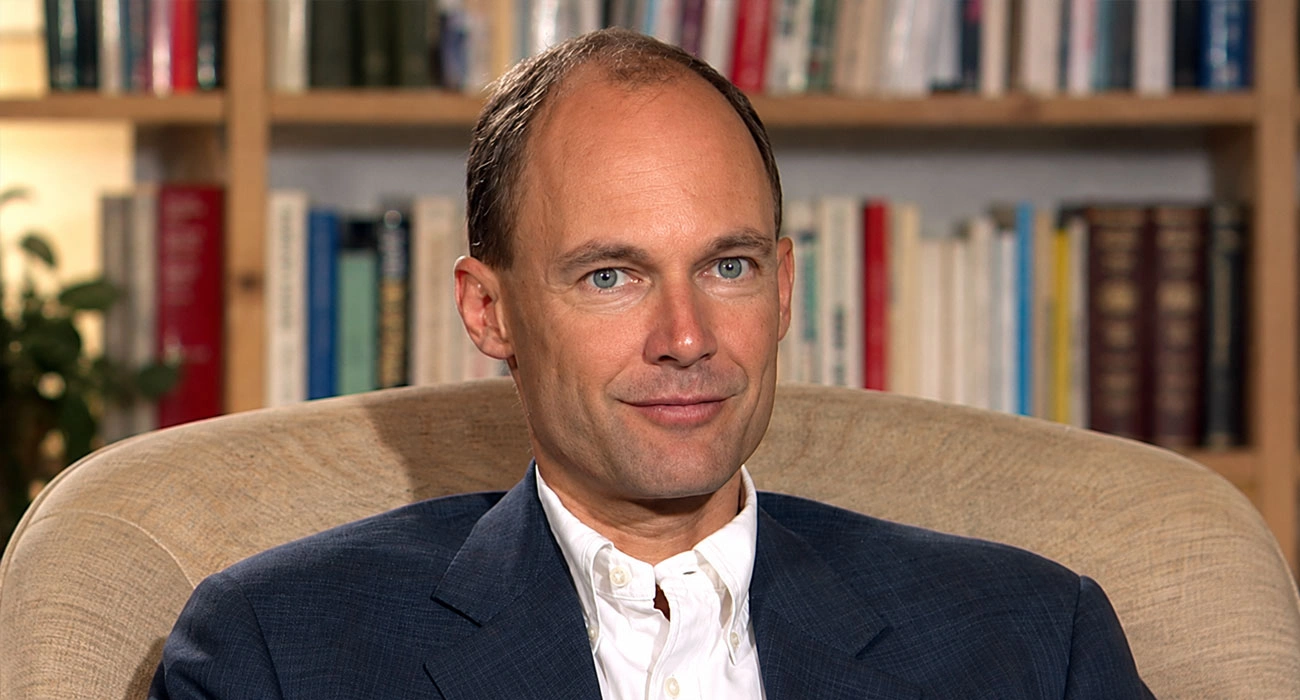
Bertrand Piccard: The Pioneer Turning Impossible Ideas Into Sustainable Business
Exploring the journey of an innovator who merges adventure with sustainability.
The Psychology of the Impossible
Bertrand Piccard's career exemplifies a unique approach to innovation, one that starts with challenging the limits of possibility. His adventures, from ballooning across the globe to flying a solar-powered aircraft, serve as frameworks for exploring new ideas. Piccard embodies the mindset that innovation does not merely solve existing problems but rather redefines what can be achieved. This psychological framework encourages a culture of experimentation and discovery, vital for driving sustainable change in technology and business.
By embracing the impossible, Piccard inspires others to think beyond conventional boundaries. His voyages have not only tested human endurance but have also provided critical insights into how technology can evolve to meet the demands of a changing planet. Each challenge he undertakes is a step toward reshaping our understanding of environmental innovation, proving that with the right mindset, even the most ambitious goals can be reached.
From Balloon to Solar Aircraft
Piccard's reputation as an innovator was solidified through his groundbreaking achievements in aviation. He was part of the team that accomplished the first non-stop balloon circumnavigation of the Earth, a feat that showcased human ingenuity and courage. This monumental achievement set the stage for his later project, Solar Impulse, which made history as the first solar-powered aircraft to complete a flight around the world. These milestones not only demonstrated technological capability but also sparked public interest in renewable energy solutions.
The transition from ballooning to solar aviation marked a significant shift in Piccard's approach to innovation. He began to focus on how these advancements could be harnessed for environmental benefit, emphasizing the potential for sustainable technologies to address global challenges. His commitment to exploration as a means of fostering technological progress continues to influence the conversation around clean energy and sustainable entrepreneurship.
Solar Impulse Changed the Conversation
The Solar Impulse project was not merely about flying; it was a demonstration that solar aviation is feasible and can lead the way for future innovations in clean technology. By showcasing the capabilities of solar power in aviation, Piccard has shifted the dialogue from simply proving technical possibilities to emphasizing the commercial viability of sustainable innovations. This shift is crucial as it encourages businesses and governments to invest in and adopt renewable energy solutions.
The impact of Solar Impulse is profound, as it has inspired various stakeholders to reconsider the potential of clean technologies. It has provided a platform for discussions around energy independence and sustainable transportation, highlighting that environmentally friendly solutions can also be economically viable. This perspective is essential for fostering a broader acceptance of sustainability in industries that have traditionally relied on fossil fuels.
Climate Impulse and the Hydrogen Frontier
Piccard's latest endeavor, Climate Impulse, aims to achieve a non-stop, zero-emission flight around the world using liquid hydrogen. This ambitious project represents a new frontier in sustainable aviation and exemplifies Piccard's continual push for innovation. By focusing on hydrogen as a clean energy source, Piccard is exploring pathways to decarbonize air travel and set new standards for the industry. His vision underscores the importance of integrating sustainable technologies into mainstream aviation practices.
The Climate Impulse initiative is not just about achieving a flight; it is about demonstrating the feasibility of hydrogen as an alternative fuel. This project aims to catalyze the development of green aviation technologies, emphasizing the need for investments and support in sustainable infrastructure. Piccard's pioneering spirit serves as a beacon for future innovations, encouraging stakeholders to embrace ambitious goals that can lead to significant environmental benefits.
Facts & Insights
- Bertrand Piccard was part of the team behind the first non-stop balloon circumnavigation of the Earth.
- Solar Impulse became the first solar-powered aircraft to circumnavigate the globe.
- Climate Impulse aims to complete a non-stop, zero-emission flight around the world using liquid hydrogen.
1st
Non-stop Balloon Circumnavigation
1st
Solar-Powered World Flight
0
Flight Emissions Target
1
Global Hydrogen Mission
Innovations can make the impossible possible.— Bertrand Piccard / Automechanika Frankfurt
From Exploration to Enterprise
Piccard's journey reflects the evolving landscape of sustainable entrepreneurship. As he moves from exploration to enterprise, the challenge lies in making sustainable technologies economically viable. The transition emphasizes the importance of collaboration between innovators, businesses, and policymakers to create a supportive ecosystem for clean technology. This shift is essential for transforming initial concepts into scalable solutions that can impact the market positively.
The future of sustainable innovation requires not only groundbreaking ideas but also a strategic approach to commercialization. Piccard's work exemplifies how high-profile demonstrations can shift public perceptions and encourage investment in renewable technologies. By demonstrating that sustainability can align with economic growth, he paves the way for a new generation of entrepreneurs willing to tackle environmental challenges through innovative solutions.
The Future Belongs to Those Willing to Test It
Bertrand Piccard's career demonstrates that innovation rarely begins with certainty. It begins with the willingness to test an idea that others may consider unrealistic, then gather the technology, people, and persistence required to make it credible. His transition from explorer to sustainability pioneer is particularly relevant as industries search for solutions to problems that cannot be solved through incremental thinking alone. Climate Impulse represents another chapter in that journey — one in which exploration becomes a tool for accelerating technological confidence.
It is this combination of courage, curiosity, and practical ambition that makes Piccard's story the kind of innovation legacy BritishPEDIA is built to document. As we look toward the future, the potential for sustainable innovation will depend on our collective ability to embrace the impossible, transform our understanding of what is feasible, and ultimately create a more sustainable world.
Categories
Tagged in this story
Image sources
CC BY-SA 3.0, https://commons.wikimedia.org/w/index.php?curid=596374