
Beyond Bangkok: Why Thailand’s Secondary Cities Could Shape Its Next Growth Era
Written by Admin • 2026-10-01 01:19:00
Thailand's economic future could depend on its secondary cities, as highlighted in a recent World Bank report. By improving productivity in Bangkok and empowering these regional cities, Thailand can create a more balanced and resilient economy, moving beyond reliance on its capital.
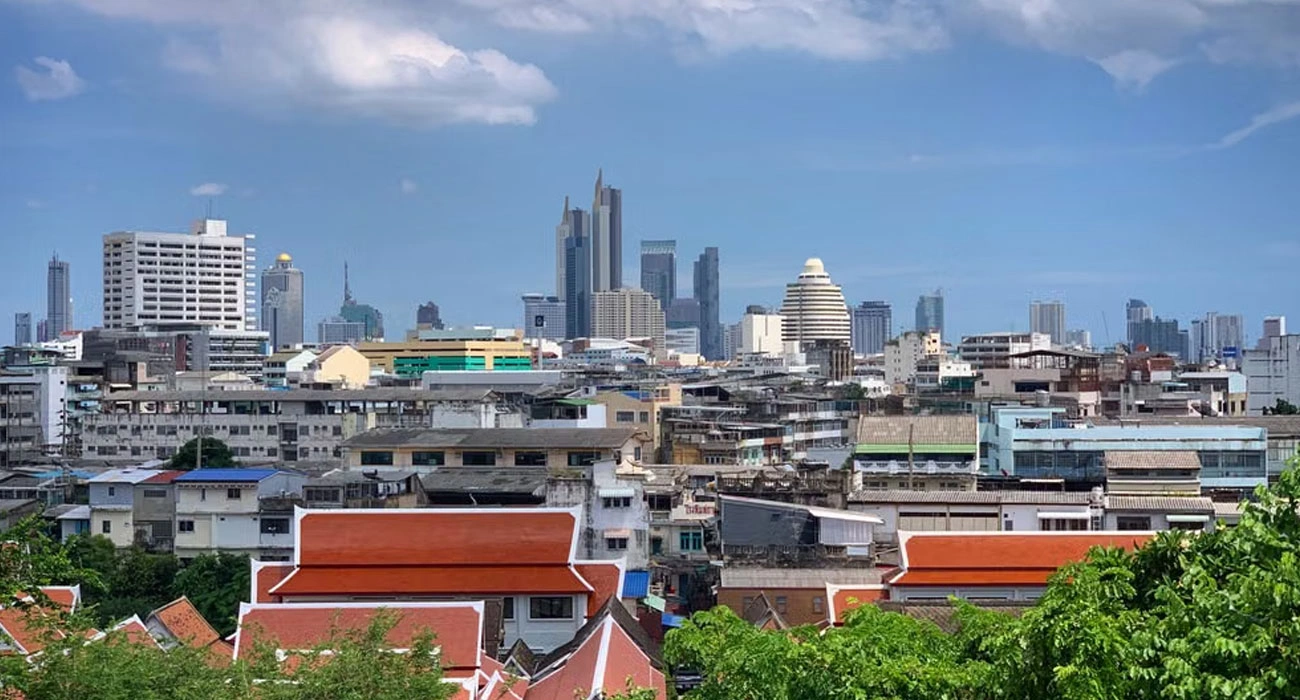
Beyond Bangkok: Why Thailand’s Secondary Cities Could Shape Its Next Growth Era
Exploring the potential of Thailand's urban landscape beyond its capital.
Why Cities Matter to Thailand's Economy
Thailand's economic future may not depend solely on Bangkok. As the country's cities continue to generate the overwhelming majority of economic growth, a new development question is emerging: what happens when secondary cities become stronger economic engines in their own right? A recent World Bank report sheds light on this evolving narrative, suggesting that a shift in focus from singular urban dominance to a network of productive cities could catalyze a more resilient economy.
As urban areas contribute significantly to Thailand's GDP, understanding the interconnectedness of these cities becomes essential. The World Bank emphasizes that by harnessing the potential of secondary cities, Thailand can enhance its economic landscape, creating new opportunities for investment and job growth. This approach underscores the necessity of viewing urban development as a holistic system rather than isolated silos.
The Bangkok Concentration
Historically, Bangkok has been the focal point of Thailand's economic activity, drawing talent, investment, and resources. Its concentration of wealth and opportunities has created a dynamic but uneven economic landscape. The World Bank's report highlights that while Bangkok continues to be vital for national growth, the city’s productivity must be improved to sustain its role as a lead economic driver. Without addressing the challenges of over-reliance on a single metropolitan area, the risk of stagnation or decline increases in the long term.
Additionally, the potential for urban sprawl and infrastructure stress in Bangkok calls for a strategic reevaluation of how other cities can complement its growth. By empowering secondary cities to share in the economic responsibilities, Thailand can develop a more balanced approach to urban development, fostering environments where diverse industries can flourish.
What Secondary Cities Can Add
Secondary cities present a unique opportunity for Thailand to diversify its economic base. These urban areas, often characterized by lower costs and developing infrastructure, can attract businesses looking for expansion opportunities. By investing in these regions, Thailand can cultivate new hubs of innovation and entrepreneurship, ultimately distributing economic opportunities more widely among its population.
Moreover, stronger secondary cities can reduce the excessive concentration of resources in Bangkok, creating a more equitable economic landscape. By enhancing their infrastructure and connectivity, these cities can become integral players in the national economy, generating jobs and supporting local businesses. The result is a more resilient urban system that can withstand economic fluctuations and adapt to changing market demands.
Facts & Insights
- Around 89% of Thailand's GDP growth between 2010 and 2020 came from urban districts, according to the World Bank.
- The World Bank's 2026 report identifies Bangkok's productivity and the stronger development of secondary cities as important components of Thailand's future economic growth.
- The report connects stronger urban economies with investment, job creation and greater resilience.
89%
Urban Share of GDP Growth
2010–2020
Measurement Period
2
Urban Growth Priorities
1
High-Income Ambition
Thailand can accelerate its transition to high-income status by unlocking the full economic potential of its cities.— World Bank, September 2026
A Country of Cities, Not Just One City
Economic development often becomes visible through the skyline of a country's largest city, but the deeper story is usually distributed across many places. Thailand's experience illustrates how secondary cities can become important parts of a national growth strategy when infrastructure, connectivity and local productivity are strengthened together. The opportunity is not necessarily to compete with Bangkok, but to create a more complementary urban system in which different cities develop different strengths.
As countries around the world reconsider how growth is distributed geographically, Thailand's urban transformation offers an important case study in how cities can become platforms for enterprise, employment and long-term economic opportunity.
Categories
Tagged in this story
Image sources
Pexels - Photo by Sergei Gussev