
Beyond Castles and Cafés: Slovakia Has a Horse Racing Culture Most Tourists Never Discover
Written by Admin • 2026-05-26 04:54:00
Slovakia's Bratislava Racecourse is a hidden gem that blends sport, tradition, and community. As travelers seek immersive experiences beyond the usual tourist spots, this venue offers a unique look into Slovak culture and equestrian heritage, proving to be a significant player in the realm of experiential tourism.
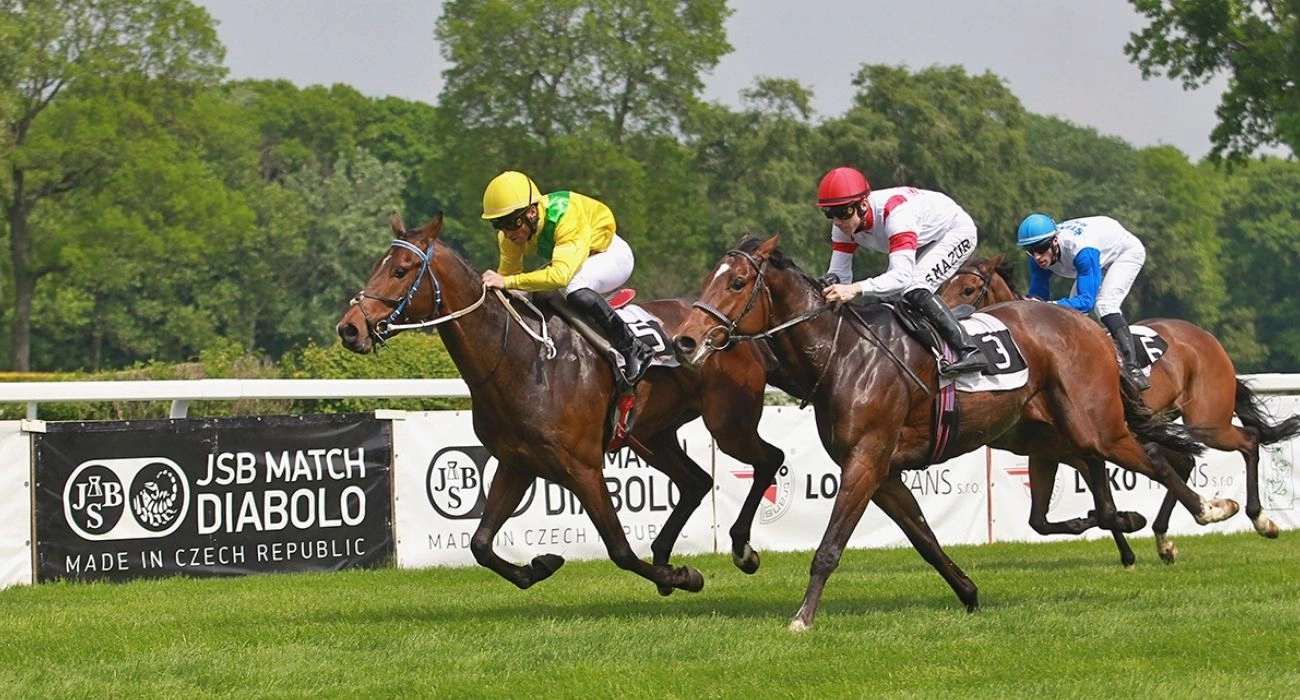
Beyond Castles and Cafés: Slovakia Has a Horse Racing Culture Most Tourists Never Discover
Exploring the hidden gem of Bratislava Racecourse and its impact on culture and tourism.
Discovering Bratislava Racecourse
When travelers think of Europe, destinations like Paris, Rome, or Prague often dominate the conversation. Yet beyond the mainstream tourism routes, countries like Slovakia are quietly building a new reputation for unique cultural and sporting experiences. One destination increasingly standing out among locals and adventurous travelers alike is Bratislava Racecourse (Závodisko Bratislava)—a place where sport, tradition, lifestyle, and community converge in a way many international visitors never expect.
Horse racing has long been part of Central European heritage, but Bratislava Racecourse offers more than competition alone. Located within the Slovak capital, the venue combines open green landscapes, sporting excitement, family-friendly events, and cultural gatherings into a modern travel experience. This blend of elements creates a unique environment that appeals to both locals and tourists seeking more than just the typical sightseeing experience.
Experiential Tourism at Its Best
As global travel trends increasingly shift toward experiential tourism and local authenticity, destinations like Bratislava Racecourse are becoming part of today’s most compelling global transformation stories. Recent tourism discussions from Lonely Planet and Condé Nast Traveler highlight how travelers are seeking immersive experiences beyond traditional sightseeing. This reflects a broader digital business transformation in the tourism sector, where memorable experiences and local storytelling drive destination popularity through social media and travel communities.
At Bratislava Racecourse, visitors can enjoy not only the thrill of horse racing but also a deeper connection to the local culture. The venue hosts various events that reflect Slovak traditions and values, making it a hub of community engagement. This transformation in tourism is indicative of a larger trend where emotional experiences are prioritized over mere checklists of attractions.
Travel is the only thing you buy that makes you richer.— Anonymous
Contribution to Society
Facts & Insights
- Horse racing remains one of Europe’s oldest organized sporting traditions.
- Experiential tourism continues growing faster than traditional sightseeing tourism globally.
- Bratislava combines urban culture with easy access to nature, sports, and local experiences.
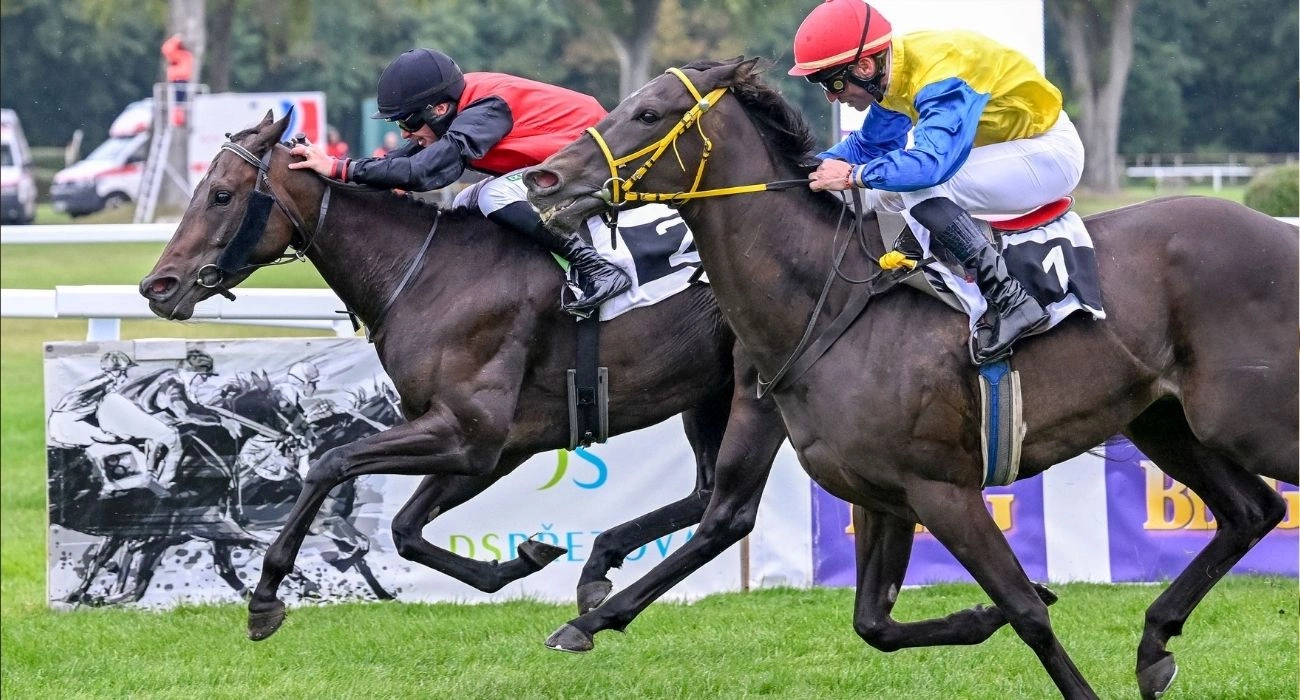
Beyond tourism, Bratislava Racecourse contributes to society by preserving equestrian culture and supporting local sporting traditions. The venue creates public recreational spaces that foster community engagement, making it a vital part of the local lifestyle.
In an industry increasingly shaped by emotional experiences, places like Závodisko Bratislava emerge as leaders in experiential tourism. They offer visitors not just entertainment, but a genuine connection to Slovak culture and lifestyle.
Recent Trends and Insights
70%
of travelers prefer experiential tourism over traditional sightseeing
50%
increase in interest for local cultural events in Slovakia
The recent focus on sustainable tourism and experiential travel has been echoed in credible sources like Lonely Planet and Condé Nast Traveler, which highlight the shift in travel behavior towards cultural tourism. This aligns with the values promoted by UNESCO regarding sustainable travel practices, emphasizing the importance of engaging with local cultures.
Categories
Tagged in this story
Image sources
zavodisko.sk