
Beyond the Finish Line: How Community Running Is Building Healthier Cities
Written by Admin • 2026-07-31 01:34:00
Community running is transforming urban landscapes into healthier spaces by fostering social connections and encouraging active lifestyles. As running clubs grow, they welcome individuals of all ages and backgrounds, proving that fitness can unite communities while promoting public health.
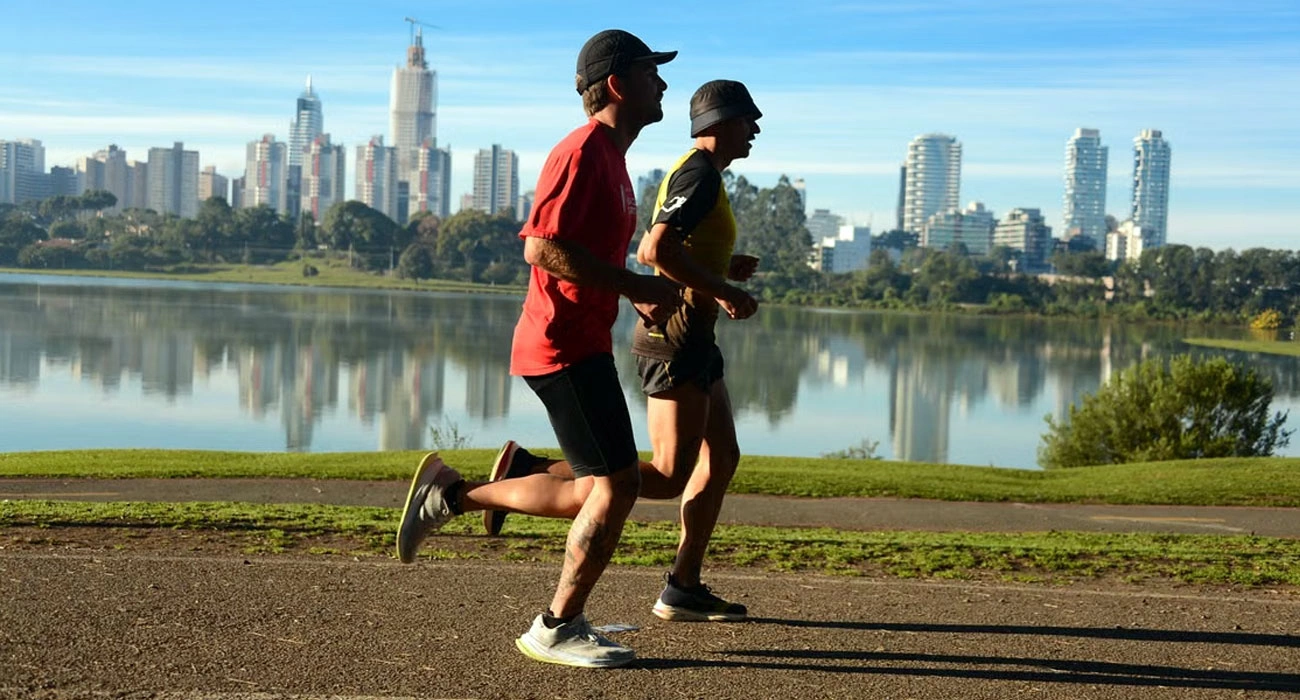
Beyond the Finish Line: How Community Running Is Building Healthier Cities
Exploring the impact of community running on urban wellness and public health.
The Rise of Community Running
Running has evolved from a solo endeavor into a vibrant community movement that not only enhances physical health but also fosters deep social connections. Across major cities, community running clubs are flourishing, bringing together individuals from diverse backgrounds who share a common goal: improving their fitness. These clubs create an inclusive environment where everyone, regardless of their running experience, feels welcomed and encouraged to join. By transforming local parks and city streets into communal spaces, running clubs promote a sense of belonging and community.
As participation increases, community running has become a catalyst for urban wellness. Cities are recognizing the importance of supporting public running events and initiatives aimed at promoting healthier lifestyles. This shift is not just about physical fitness; it’s about building stronger social bonds and enhancing the quality of life in urban environments. The movement encourages people to come together, share their journeys, and support one another in their fitness goals.
The Benefits of Community Running
Community running clubs offer numerous benefits that extend beyond physical health. Firstly, they provide a platform for social interaction, allowing runners to forge friendships and connections that enrich their lives. Additionally, the motivation gained from running with a group often leads to increased commitment to regular exercise. Participants are more likely to stick to their fitness routines when they feel accountable to their peers and are surrounded by a supportive environment.
Moreover, these clubs play a crucial role in promoting inclusivity. They welcome individuals of all ages and fitness levels, making running accessible to everyone. Whether you are a seasoned marathoner or a beginner, community running clubs ensure that there is a place for you. This inclusivity not only encourages more people to engage in physical activity but also fosters a sense of community that benefits all participants.
Every step forward becomes more meaningful when people move together.— Unknown
Facts & Insights
- Community running clubs welcome participants of all experience levels, making the sport more accessible.
- Regular group exercise has been associated with improved motivation and long-term participation in physical activity.
- Many cities now support public running events as part of broader health and wellness initiatives.
Creating Healthier Communities
The impact of community running extends beyond individual health; it contributes significantly to the overall well-being of communities. As more people participate, cities witness a shift toward healthier lifestyles. Community running fosters physical fitness while also enhancing social interactions, reducing feelings of isolation, and improving mental health. This multifaceted approach to wellness underscores the importance of community engagement in public health initiatives.
In conclusion, community running exemplifies that fitness is not solely about performance but is intrinsically linked to connection and community. Each run shared transforms into a step towards healthier individuals and more vibrant cities. As urban areas continue to embrace this movement, the benefits of community running will likely expand, paving the way for a healthier, more connected society.
1M+
Global Participants
Weekly
Community Meetups
All
Ages: Inclusive Activity
1
Goal: Healthier Communities
Categories
Tagged in this story
Image sources
Pexels - Photo by Daigoro Folz