
Beyond the Scoreboard: How to Measure the Social Impact of Sport
Written by Admin • 2026-10-19 00:54:00
A new framework developed with UNESCO and research partners shows how sport programmes can assess their contribution to wellbeing, education, livelihoods, and social inclusion.
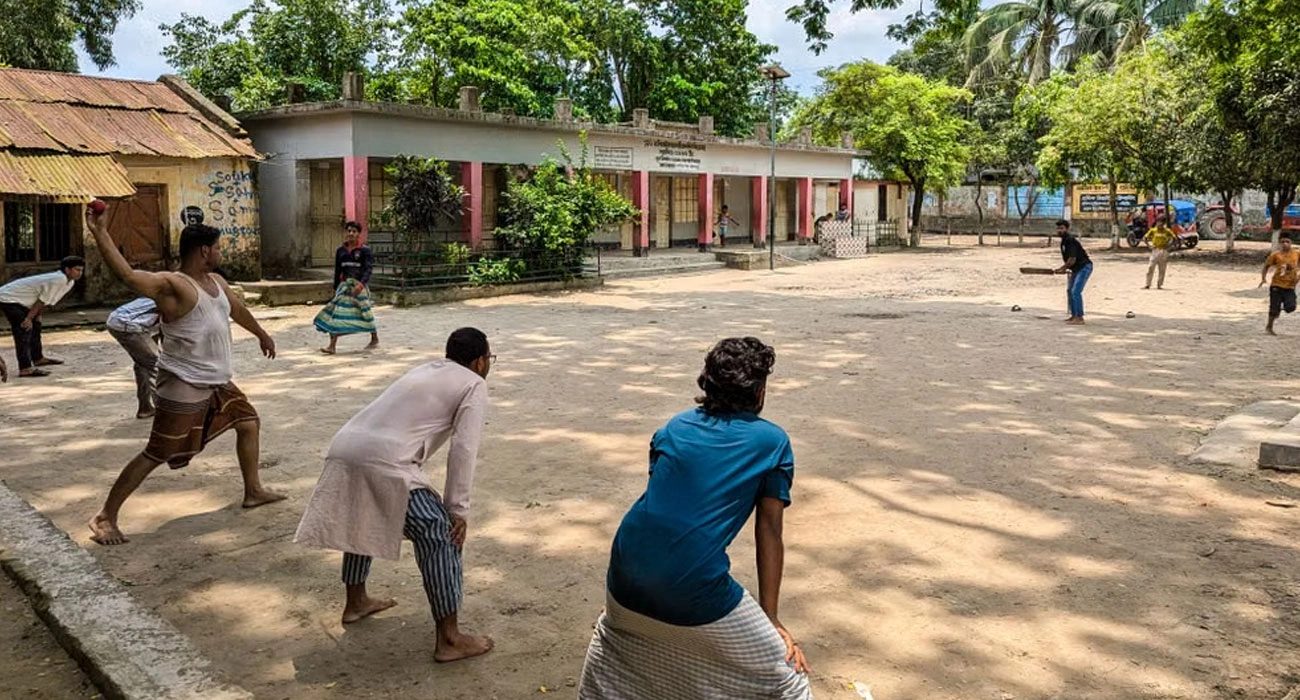
Beyond the Scoreboard: How to Measure the Social Impact of Sport
Exploring the comprehensive effects of sport on community development and individual wellbeing.
The Limitations of Traditional Sport Measurement
Sport is often measured through familiar indicators: scores, rankings, medals, and the number of people participating. While these metrics hold value, they fail to capture the full spectrum of impact when sport is leveraged for educational support, wellbeing, and social inclusion. For community programs, the critical questions revolve around whether participants feel safer, develop transferable skills, or gain access to new opportunities. These deeper insights necessitate structured approaches to impact measurement.
Relying solely on attendance figures or positive testimonials can be misleading. To truly assess the impact of community sports programs, organizations must adopt a framework that encourages them to look beyond participation and focus on meaningful outcomes for individuals and communities. This shift in perspective can lead to more effective program designs and better resource allocation.
The value of sport should be measured not only by who takes part, but by what participation makes possible.— Editorial Insight
UNESCO's Impact Framework in India
In April 2026, UNESCO published information about the Sport and Physical Activity Impact Framework for India, developed in collaboration with the Sports and Society Accelerator, Victoria University in Melbourne, and the Kalinga Institute of Social Sciences. This framework was informed by insights from over 2,000 learners across eight Indian states. By identifying four critical impact domains—health and wellbeing, education and lifelong learning, livelihoods and economic growth, and equality and social inclusion—the framework provides a structured method for assessing the social impact of sport.
The framework represents a significant step towards understanding how sport can contribute to community development and individual growth. By focusing on these four domains, organizations can gain a clearer picture of their contributions to participants' lives, enabling them to identify barriers and areas for improvement. This holistic understanding will allow sports organizations to design better programs that cater to the specific needs of their communities.
Facts & Insights
- UNESCO published information about the Sport and Physical Activity Impact Framework for India in April 2026.
- The framework was developed with research partners and informed by participation from more than 2,000 learners across eight Indian states.
- It defines four domains of impact: health and wellbeing, education and lifelong learning, livelihoods and economic growth, and equality and social inclusion.
Measuring What Sport Makes Possible
Sport can create opportunities for connection, confidence, and learning, but these outcomes should not be assumed simply because a program exists. Clear measurement helps organizations understand what works, for whom, and under which conditions. By looking beyond the scoreboard, sports leaders can make their programs more accountable and responsive to community needs.
This broader understanding of performance aligns with the growing interest in leadership that transcends individual achievement. By adopting structured impact measurement, sports organizations can identify beneficiaries, assess barriers, and enhance their activities, ultimately contributing to a thriving community where sport serves as a powerful tool for development.
2,000+
Learners involved in informing the framework
8
Indian states represented in the research process
4
Domains of impact: Health, Education, Livelihoods, Inclusion
2026
Year UNESCO published information about the framework
Categories
Tagged in this story
Image sources
Pexels - Photo by Fayezur shoikot