
Beyond the Tourist Economy: Why Communities Are Becoming Owners of the Travel Experience
Written by Admin • 2026-10-07 01:24:00
A new generation of tourism models is moving beyond 'local benefits' toward local ownership, giving communities a larger role in creating and retaining the value generated by travel.
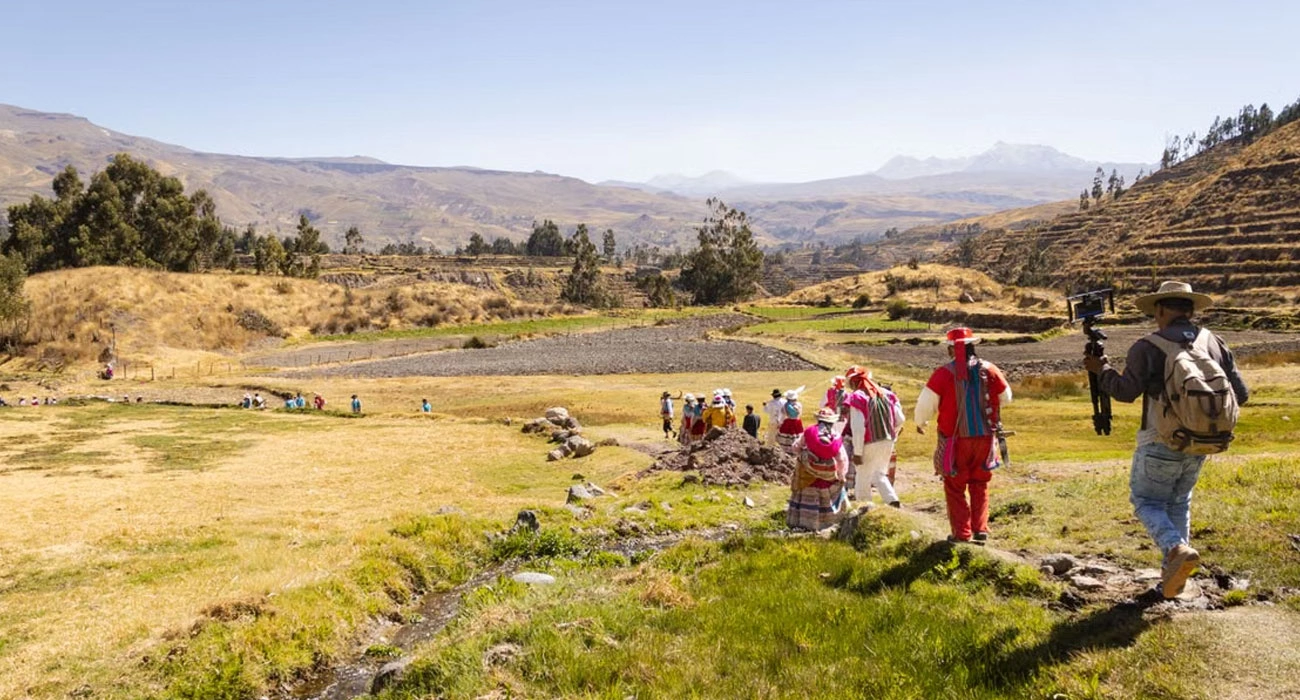
Beyond the Tourist Economy: Why Communities Are Becoming Owners of the Travel Experience
Exploring the shift towards community-owned tourism and its impact on local economies.
Who Benefits When Visitors Arrive?
Tourism has historically been structured around a linear relationship: visitors arrive, businesses provide services, and destinations reap the benefits. However, this model often overlooks the local communities that host tourists. As travel and tourism are projected to generate an astonishing $16 trillion in GDP by 2034, it raises an essential question: Who truly benefits from this economic boom? While businesses thrive, local residents frequently remain passive recipients of tourism revenue, with limited access to the value created by their own environment.
The growing trend of community-owned tourism seeks to address this imbalance by ensuring that local populations have a stake in the tourism economy. By fostering local enterprises and encouraging participation, communities can leverage tourism to enhance their economic resilience, transforming visitors into partners rather than mere consumers.
From Local Hosts to Local Enterprises
Discova's Path to Self-Sufficient Tourism exemplifies this shift, focusing on building viable tourism enterprises in rural Southeast Asia. This initiative empowers local communities by providing them with the tools and knowledge necessary to manage and operate tourism-related businesses. By gradually transitioning ownership from external operators to local residents, Discova aims to create sustainable economic models that prioritize community well-being over profit maximization.
Through training and support, local entrepreneurs can develop their unique offerings—be it guided tours, handicrafts, or culinary experiences—allowing them to retain a more significant share of the tourism value generated. As these communities grow more self-sufficient, they become better equipped to navigate the challenges posed by tourism while preserving their cultural heritage.
The Himalayan Living Commons Model
In remote India, GHE Impact Ventures' Himalayan Living Commons adopts a similar philosophy, focusing on community-owned visitor economies. This model integrates enterprise development, skill-building, infrastructure enhancement, and market access. By empowering local populations to manage their tourism resources, it creates a robust framework for sustainable growth.
The Himalayan Living Commons not only focuses on economic benefits but also emphasizes community engagement and environmental sustainability. This holistic approach ensures that tourism development does not compromise the integrity of local cultures or ecosystems, fostering a sense of ownership and pride among residents.
Commercial success and positive impact are not separate objectives.— World Economic Forum, Beyond Tourism Impact Stars, 2026.
Keeping More Tourism Value at Home
Community ownership of tourism initiatives allows local residents to shift from being passive recipients to becoming active participants in the visitor economy. This shift not only enhances local economic resilience but also deepens visitors' experiences by fostering connections between tourists and the communities they visit.
By creating opportunities for local entrepreneurship, communities can retain a larger share of the economic benefits generated by tourism. This approach contrasts sharply with traditional models that often exploit local resources for external profit, leaving communities marginalized.
As the World Economic Forum's Beyond Tourism Impact Stars recognizes, initiatives like Discova and GHE Impact Ventures signify a new dawn for tourism, where the focus is not solely on visitor numbers but on local ownership, resilience, and meaningful participation.
Facts & Insights
- The World Economic Forum's inaugural Beyond Tourism Impact Stars recognised six private-sector-led initiatives in September 2026.
- Discova was recognised for a programme working with rural communities across Southeast Asia to build tourism enterprises and progressively transition ownership and management to those communities.
- GHE Impact Ventures' Himalayan Living Commons focuses on community-owned visitor economies in remote parts of India through enterprise development, skills, infrastructure and market access.
6
2026 Impact Stars
2
Community-led models highlighted
$16T
Projected tourism GDP by 2034
2034
WEF projection horizon
When the Destination Owns More of the Story
The future of tourism may depend increasingly on who has the ability to shape and benefit from the visitor economy. Community-owned models offer one possible answer by moving beyond the idea of simply bringing tourism to rural areas and instead developing enterprises that local people can operate, manage, and grow.
The approaches highlighted by the World Economic Forum demonstrate that this does not require separating commercial success from social value. When communities gain stronger access to markets, skills, infrastructure, and ownership, tourism can become a platform for local enterprise rather than an external industry operating around a destination.
For BritishPEDIA, this movement represents an important evolution in travel: the most meaningful destination experiences may increasingly be those in which visitors do not simply see a place, but participate in an economy that helps its communities thrive.
Categories
Tagged in this story
Image sources
Pexels - Photo by Ernesto Rosas