
Can AI Preserve Cultural Heritage Without Taking It Away from Its Keepers?
Written by Admin • 2026-10-29 01:03:00
Topics
UNESCO’s October 2026 dialogue explores how AI can support cultural heritage documentation and learning while protecting community ownership, consent, and the human relationships that keep traditions alive.
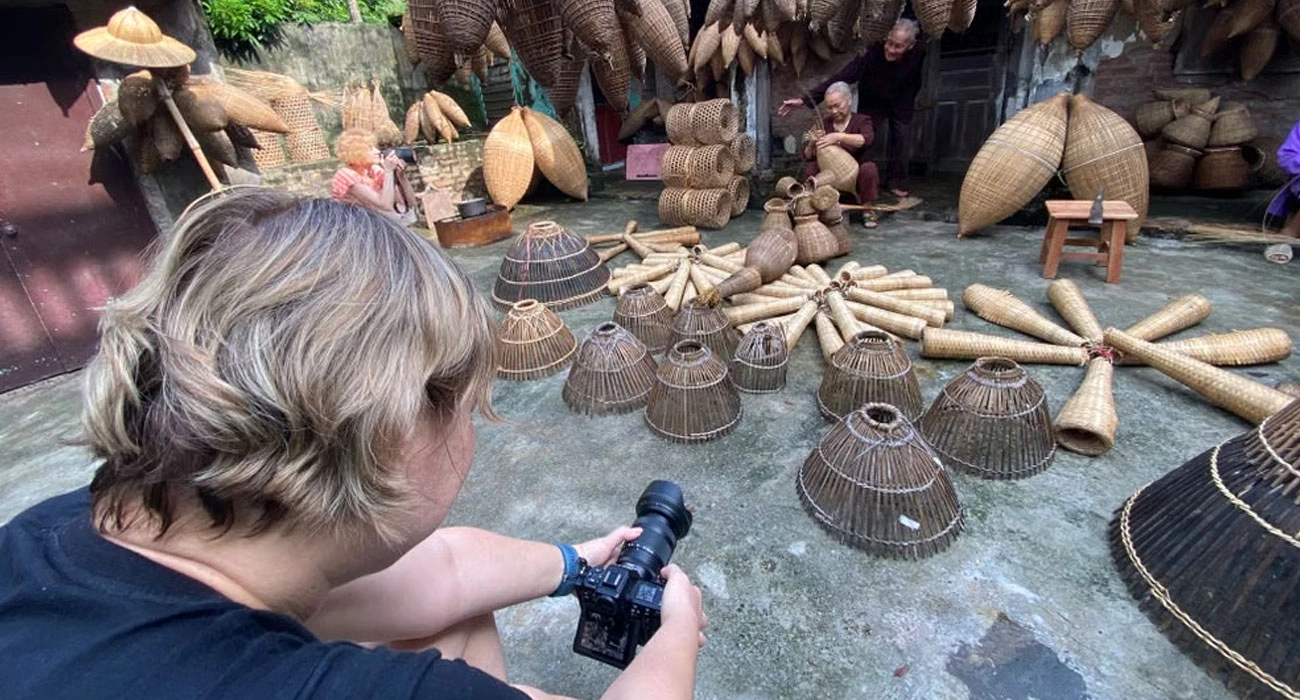
AI and Cultural Heritage: Protecting Living Traditions in a Digital Age
Exploring the intersection of technology and cultural preservation
The Role of AI in Cultural Heritage Preservation
Artificial intelligence (AI) has the potential to revolutionize the way we document, interpret, and share cultural traditions. However, the challenge lies in ensuring that this technology respects the communities that sustain these traditions. Rather than simply digitizing cultural practices, it is vital to involve community members in the documentation process, ensuring that their voices are heard and their rights are protected. AI should serve as a support system, enhancing the preservation of intangible cultural heritage while keeping the custodians of this knowledge at the forefront.
The UNESCO TechCul Dialogues highlight the need for responsible AI applications that prioritize community control over cultural knowledge. This approach recognizes that cultural heritage is more than just digital records; it involves living practices, skills, and relationships that evolve over time. By integrating AI into the preservation process, we can create immersive learning experiences that respect the nuances of traditional craftsmanship and enable community members to maintain agency over their cultural expressions.
AI should help communities keep their heritage alive on their own terms.— UNESCO
Challenges of Digital Preservation
While AI can assist in documenting cultural heritage, it presents several challenges. The digitization of cultural materials can lead to misrepresentation, especially if context is lost in translation or if key cultural elements are omitted. It is essential that cultural experts and community representatives review AI-generated content to ensure accuracy and respect for cultural significance. Furthermore, protecting sensitive information is crucial to prevent unauthorized use and misappropriation of cultural knowledge.
Ensuring that cultural knowledge remains dynamic is another critical consideration. Digital archives should not imply that a single recorded version is the only authentic representation of a living tradition. Instead, they should support the evolution of cultural practices and foster intergenerational learning. By allowing communities to shape the narrative around their heritage, digital tools can enhance understanding and engagement while preserving the fluid nature of cultural expression.
Facts & Insights
- UNESCO dialogue: The second TechCul Dialogues webinar on AI and intangible cultural heritage took place on 15 October 2026.
- Potential applications: Participants discussed AI-assisted craftsmanship documentation, immersive skills training and cultural storytelling.
- Community safeguards: UNESCO highlighted consent, data protection, transparent oversight, cultural context and fair benefit-sharing as important considerations.
2003
Year of UNESCO’s Convention for the Safeguarding of the Intangible Cultural Heritage
15/10/2026
The TechCul Dialogues webinar
4
Key safeguards: Community participation, consent and data protection, transparent oversight, and fair benefit-sharing
Categories
Tagged in this story
Image sources
Pexels - Photo by Vietnam Hidden Light