
Can Sustainable Aviation Fuel Make Flying Greener?
Written by Admin • 2026-10-23 01:20:00
Topics
Sustainable aviation fuel could help reduce aviation's lifecycle emissions, but scaling supply will require investment, credible sustainability standards, and careful feedstock management.
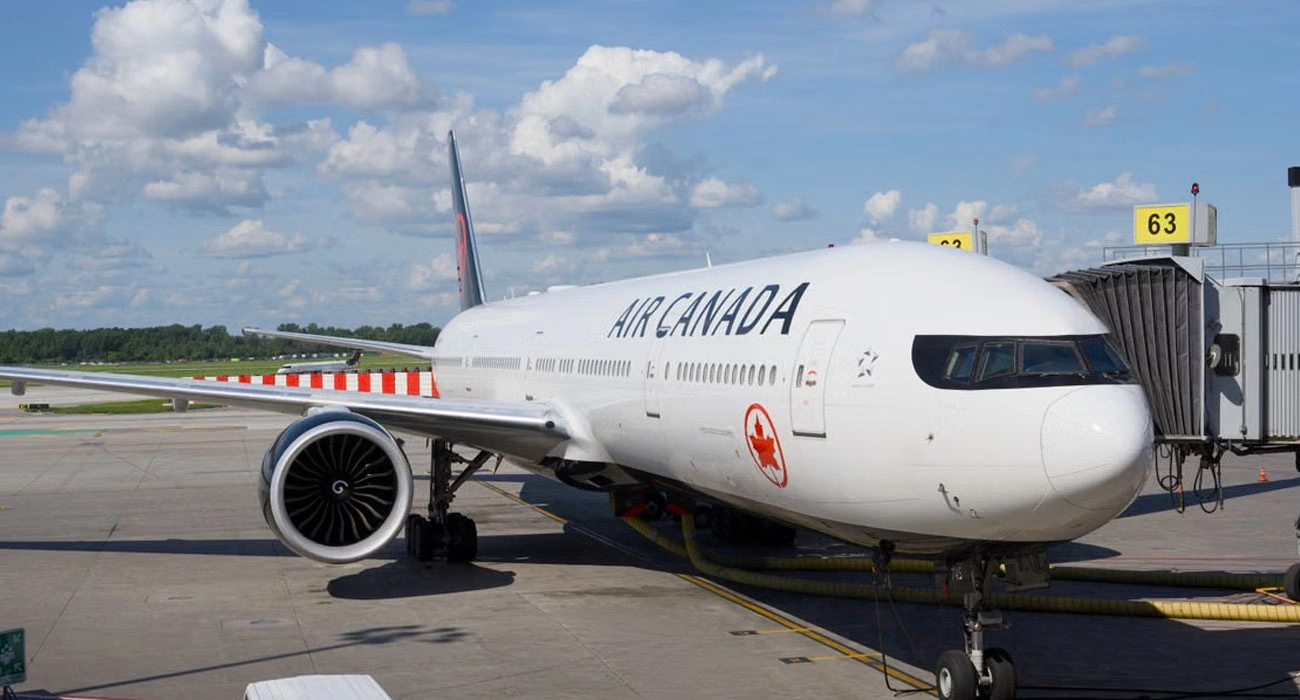
Can Sustainable Aviation Fuel Make Flying Greener?
Exploring the potential of SAF in reducing aviation's climate impact
Aviation connects people, businesses, and economies across the world, but reducing its climate impact is a complex challenge. Aircraft require energy-dense fuel, and long-distance travel cannot yet be electrified at the scale of conventional road transport. Sustainable aviation fuel, commonly known as SAF, has therefore become one of the technologies attracting attention as airlines and policymakers look for ways to reduce emissions while maintaining air connectivity.
SAF is not one single fuel made through one process. It describes a range of aviation fuels produced from eligible feedstocks and pathways, including certain waste oils, residues, biomass, and synthetic routes. Depending on the pathway, feedstock, production process, and lifecycle accounting method, SAF can reduce greenhouse-gas emissions compared with conventional fossil jet fuel. However, its sustainability depends on more than the label: feedstock availability, land use, energy sources, and production methods all matter.
The challenge is now to expand supply without creating new environmental or economic problems. Production remains small relative to total aviation fuel demand, while costs and access to suitable feedstocks limit wider deployment. SAF can contribute to aviation's transition, but it must be supported by credible sustainability standards, investment, efficient operations, and other measures that reduce the sector's climate impact.
Why Aviation Needs More Than One Climate Solution
Decarbonising aviation is particularly difficult for long-distance routes that require high energy density fuels. While SAF is an important part of the solution, it cannot be the only one. Alongside SAF, we need improvements in aircraft efficiency, operational practices, emerging propulsion technologies, and considerations around demand-side management. By integrating these solutions, we can begin to tackle the aviation sector's significant carbon footprint and work towards achieving climate goals.
SAF should not be framed as a panacea that eliminates all environmental impacts of flying. Instead, it must be understood as a component of a multifaceted approach to reducing emissions in the aviation industry. This balanced perspective allows for a more comprehensive strategy that incorporates various methodologies and technologies to achieve meaningful reductions in greenhouse gas emissions.
What Makes a Fuel “Sustainable”?
Not all sustainable aviation fuels are created equal. The definition encompasses a variety of production pathways, including fuels derived from waste oils and residues, biomass-based feedstocks, and synthetic fuels created from hydrogen and captured carbon. It is crucial to assess lifecycle emissions rather than focusing only on tailpipe emissions. The climate benefits of SAF depend significantly on the entire production process, including feedstock sourcing, processing energy, transportation, and land-use effects.
Evaluating sustainability requires a thorough understanding of the entire supply chain. For example, fuels derived from feedstocks that compete with food crops or disrupt ecosystems may not deliver the intended environmental benefits. Therefore, a nuanced approach is necessary to ensure that SAF contributes positively to aviation's decarbonisation while avoiding unintended consequences.
Production Is Growing, but the Scale Gap Remains
According to the International Air Transport Association (IATA), global SAF production is projected to reach around 2.4 million tonnes by 2026, which would constitute approximately 0.8% of annual jet-fuel consumption. This highlights the significant scale gap that exists between current production levels and the total aviation fuel demand. Understanding this challenge is essential for stakeholders as they navigate the complexities of expanding SAF production.
Moreover, it is important to differentiate between announced capacity, planned projects, installed production capacity, and actual fuel output. Many announcements about SAF production may not reflect the reality of supply, making it crucial for the industry to focus on tangible results rather than mere promises. This distinction is vital for understanding the investment landscape and the true potential of SAF in the aviation sector.
How Regulation Is Shaping the Market
Regulatory frameworks play a significant role in shaping the SAF market. Blending requirements and sustainability criteria can create demand certainty while placing responsibilities on fuel suppliers and airlines. The ReFuelEU Aviation framework introduced by the EU established a 2% SAF minimum for 2025, and the European Union Aviation Safety Agency (EASA) reported that SAF made up 2.8% of aviation fuel supplied at EU airports in 2025, exceeding the initial 2% mandate.
However, it is important to clarify that these figures pertain specifically to the EU market and should not be conflated with global aviation statistics. The EU's scheduled requirements for 2030 indicate a commitment to further increasing the share of SAF in aviation fuel supply, which is crucial for driving innovation and investment in this sector.
The challenge is not simply to produce more aviation fuel, but to scale fuels that deliver credible climate benefits.— Editorial Insight
Facts & Insights
- IATA estimated global SAF production could reach around 2.4 million tonnes in 2026, approximately 0.8% of annual jet-fuel consumption.
- EASA reported that 1.1 million tonnes of SAF were supplied at EU airports in 2025, equivalent to 2.8% of reported aviation fuel supply there.
- The EU's initial ReFuelEU Aviation SAF minimum was 2% for 2025, and the framework sets a higher requirement for 2030.
The Cost, Feedstock, and Sustainability Questions
The cost of SAF remains a significant barrier to its widespread adoption. The price gap between SAF and fossil jet fuel is substantial, and this disparity affects the willingness of airlines to invest in and utilize SAF. Additionally, competition for eligible feedstocks adds another layer of complexity, as producers seek to source materials that meet sustainability criteria while also remaining economically viable.
It is essential to ensure that fuels derived from waste or biomass are subject to credible certification processes. Not every fuel that claims sustainability is genuinely suitable. Thus, careful scrutiny of the entire supply chain is necessary to validate claims of environmental performance and to ensure that SAF truly contributes to reducing aviation's climate impact.
What Airlines, Producers, and Travellers Can Realistically Expect
The roles of various stakeholders, including fuel producers, airlines, airports, policymakers, investors, and research organizations, will be critical in shaping the future of SAF. Realistic expectations for the pace of change must be established, understanding that SAF is just one piece of the larger aviation transition puzzle. Collaborative efforts across the industry will be necessary to facilitate the scaling of SAF and to drive innovation.
Scaling SAF production requires coordinated investment, transparent lifecycle accounting, and careful management of environmental trade-offs. This multifaceted approach will help ensure that as SAF becomes more prevalent, it aligns with broader sustainability goals and contributes to a greener future for aviation.
2.4M t
Estimated SAF production
0.8%
Share of jet-fuel use
2.8%
EU SAF share
2%
EU minimum requirement
Building a More Sustainable Future for Aviation
Sustainable aviation fuel is an important development in the effort to reduce aviation's climate impact, but its long-term contribution will depend on more than production growth. Credible lifecycle benefits, suitable feedstocks, investment, and transparent regulation will shape how quickly it can become a meaningful part of the fuel mix. Through BritishPEDIA, stories of innovation can explore how industries balance technological progress with practical limits and environmental responsibility.
Categories
Image sources
Pexels - Photo by Xavier Messina