
China’s New Tech Pilgrimage: When Innovation Hubs Become Tourist Destinations
Written by Admin • 2026-09-03 01:17:00
China's technology hubs are becoming destinations for a new kind of traveller: executives, investors and entrepreneurs crossing borders not for leisure, but to study innovation firsthand. Explore the rise of technology tourism in Shenzhen, Shanghai and Hangzhou, where the focus is on immersive learning rather than traditional business meetings.
China’s New Tech Pilgrimage
When Innovation Hubs Become Tourist Destinations
The Rise of Technology Tourism
Travel has traditionally been about seeing places. Increasingly, however, some travellers are crossing borders to understand how things are made. China's technology hubs are attracting international entrepreneurs, investors, and executives who are not just seeking leisure but are keen to delve into the intricacies of innovation. This burgeoning trend is reshaping the definition of business travel, with an emphasis on learning and immersive experiences.
As the world continues to grapple with rapid technological advancements, China's cities are emerging as epicenters of innovation. The ability to observe and engage with cutting-edge systems in artificial intelligence, robotics, and electric vehicles is drawing a diverse group of visitors who are eager to understand how these technologies are integrated into everyday life. This new form of travel is fostering a deeper appreciation for how products and services are conceived and brought to market.
Shenzhen: A City Built Around Speed
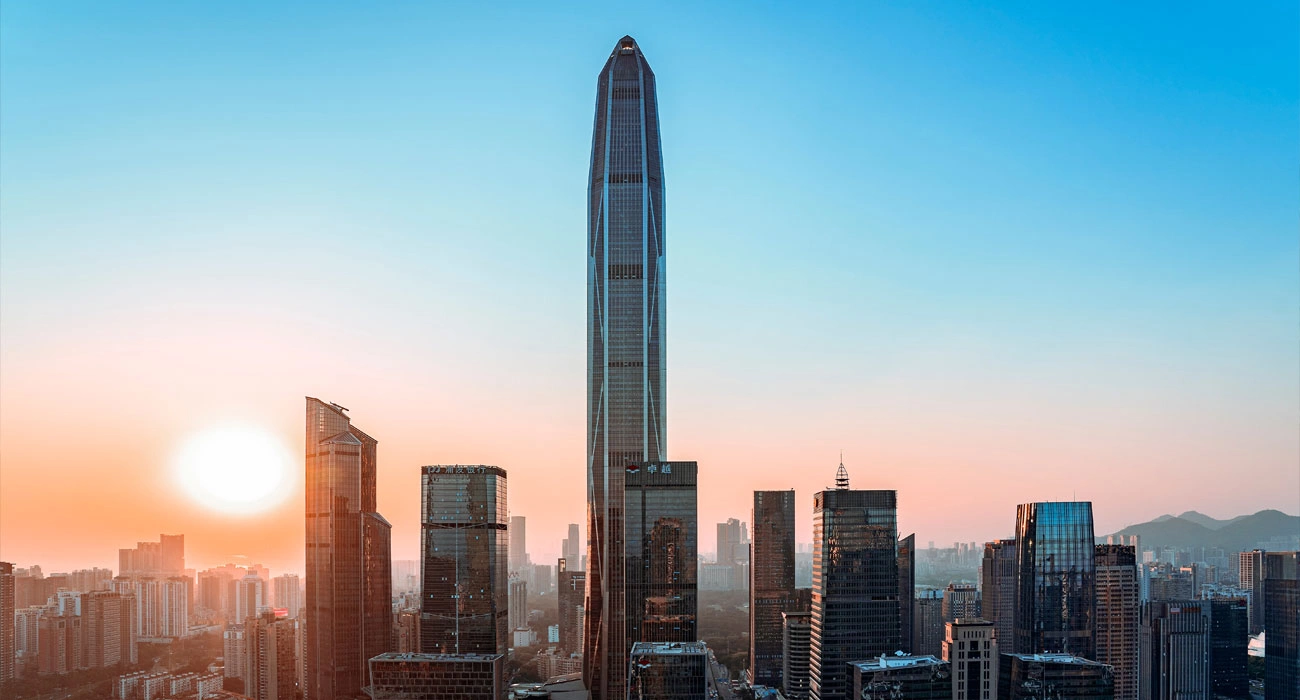
Shenzhen, often dubbed as the 'Silicon Valley of Hardware,' epitomizes the rapid pace of innovation. The city's infrastructure supports a vibrant ecosystem where manufacturing and technology converge seamlessly. Visitors can explore factories producing the latest electronics, engage with startups, and witness firsthand the speed at which new products are developed and launched. This unique perspective on Shenzhen's innovation landscape allows for a richer understanding of the dynamics that drive technological advancement.
The manufacturing capabilities in Shenzhen are complemented by a culture that encourages creativity and experimentation. Executives and entrepreneurs visiting this city often leave with not just insights into production techniques but also a sense of inspiration. The accessibility of technology and the collaborative atmosphere play a pivotal role in attracting those looking to enhance their understanding of cutting-edge developments in various industries.
From Factory Floors to Innovation Districts
In a shift away from traditional presentations and meetings, many executives now seek direct exposure to innovation environments. This new demand is prompting technology hubs like Shanghai and Hangzhou to develop tailored experiences that allow visitors to immerse themselves in the local industry. From guided tours of AI research labs to visits to electric vehicle production lines, these experiences provide invaluable insights into the operational aspects of these innovative ecosystems.
This trend highlights a growing desire for experiential learning, where the importance of being present in an innovation-driven environment is recognized. By stepping into the factory floors and innovation districts, visitors are not just observers; they become active participants in the technological narrative unfolding before them, gaining knowledge that extends beyond conventional business practices.
Foreign visitors view China not just as a competitor but as a learning opportunity.— Reuters, September 3, 2026.
Could Industrial Tourism Become a Global Travel Category?
China's burgeoning technology tourism sector raises intriguing questions about the future of global travel. As international interest in innovation ecosystems grows, could industrial tourism emerge as a viable travel category in other countries? The potential for similar experiences in other tech hubs worldwide suggests that this trend may not be confined to China alone. Regions that prioritize innovation and technology may find themselves becoming attractive destinations for a new wave of tech-savvy travelers.
The implications of this trend extend beyond just travel; they open doors for cross-cultural exchanges and collaborative ventures. By sharing best practices and insights across borders, technology tourism can stimulate new partnerships and innovations, further enriching the global tech landscape and driving economic growth.
Facts & Insights
- International investors, entrepreneurs and executives are increasingly travelling to China to observe developments in AI, robotics and electric vehicles firsthand.
- Bespoke technology-focused tours in China can cost as much as $15,000.
- Shenzhen, Shanghai and Hangzhou are among the Chinese cities attracting visitors interested in the country's technology ecosystem.
$15K
Reported top-end cost of bespoke tech tours
3
Major innovation hubs highlighted
AI
plus Robotics + EV: Core attraction
24/7
Technology ecosystem
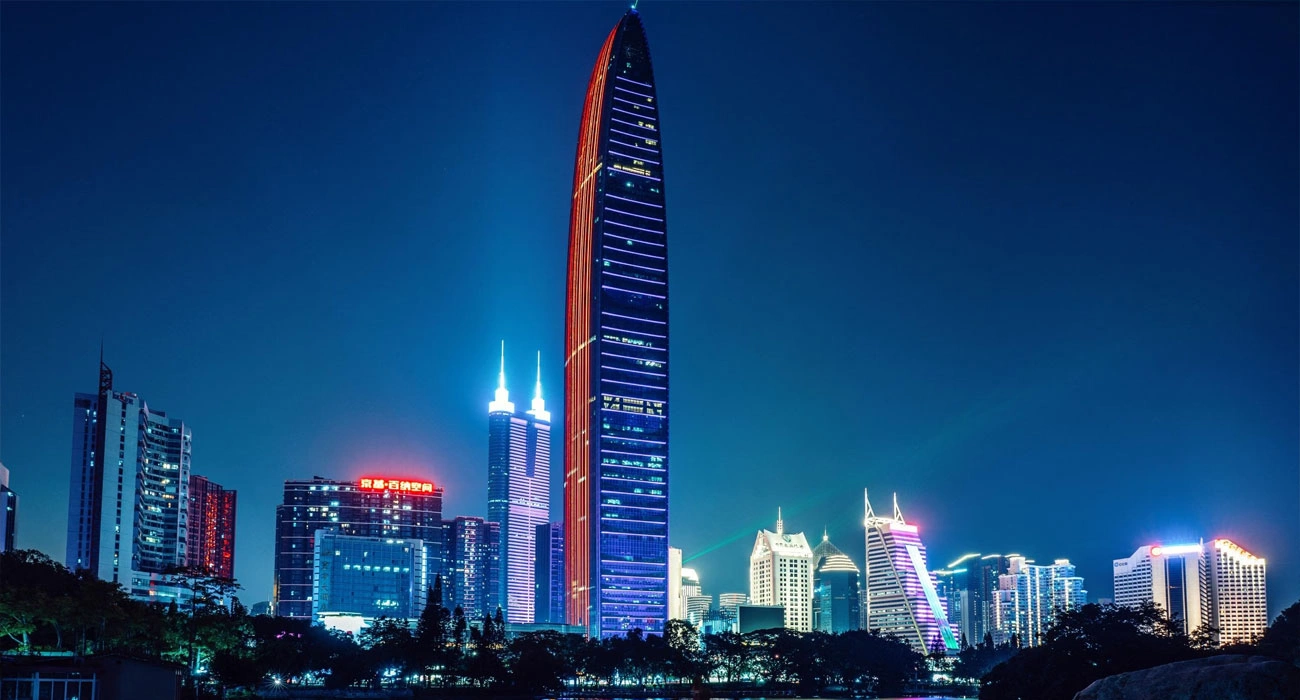
The emergence of technology tourism signals a fascinating change in the meaning of travel. As innovation cycles accelerate, knowledge itself becomes a destination, and cities known for manufacturing or technology begin attracting visitors for reasons traditionally associated with universities, museums or cultural landmarks. China's technology hubs are demonstrating what this future might look like: travel that combines curiosity, commercial intelligence and firsthand experience.
Categories
Tagged in this story
Image sources
Pexels - Photo by Lywin