
Creative Intelligence: What Happens When Artists Design With AI?
Written by Admin • 2026-09-28 01:14:00
London's Creative Intelligence festival explored the dynamic relationship between artists and AI, raising questions about human agency and the future of creativity. The event highlighted how technology can serve as a collaborator in the artistic process while redefining what it means to be creative in the digital age.
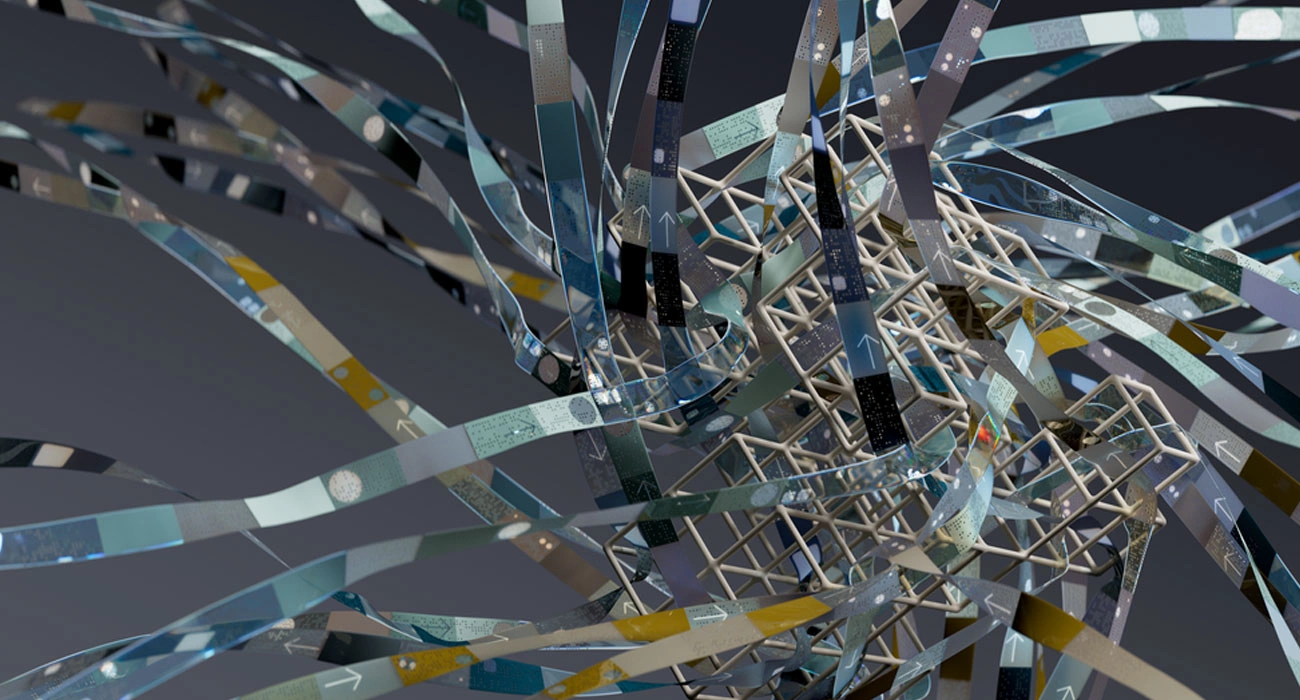
Creative Intelligence: How AI Is Changing Art and Creativity
Exploring the intersection of human imagination and technology in the creative process.
Beyond AI as a Creative Shortcut
Artificial intelligence is often viewed as merely a tool for expediting the artistic process. However, during the Creative Intelligence weekend at London's Southbank Centre, the dialogue shifted towards a more profound inquiry: How does AI, when woven into the fabric of creativity, transform artistic expression? The festival showcased a variety of art forms, including music and performance, illuminating the notion that AI can extend beyond a simple shortcut to become an integral part of the creative journey.
By engaging directly with AI, artists can explore new dimensions of creativity that may have been previously unattainable. This approach not only democratizes art-making but also invites a re-evaluation of what it means to be creative in an age of digital innovation. The fusion of human intuition and computational processes creates a unique dialogue that challenges conventional artistic boundaries.
What Happens to Human Agency?
The increasing integration of AI in art raises essential questions about human agency. At the Creative Intelligence festival, discussions revolved around how artists can maintain their unique voice while collaborating with algorithms and AI systems. As technology evolves, the relationship between the artist and their work becomes redefined, prompting a reconsideration of authorship and creativity. Who is the true creator when an AI generates a piece of art based on human input?
This exploration of agency is vital as artists navigate the complexities of working alongside machines. The festival encouraged participants to contemplate the potential for AI to enhance rather than diminish human creativity, fostering a collaborative environment where both parties contribute to the creative outcome. Ultimately, the challenge lies in ensuring that the artist's vision remains central in a landscape increasingly influenced by technology.
Artists, Algorithms and New Forms of Collaboration
The Creative Intelligence weekend featured artists from diverse backgrounds, including Alexandra Daisy Ginsberg and Lex Fefegha, who are actively experimenting with AI in their practices. Their work exemplifies the potential for new forms of collaboration between artists and algorithms, leading to innovative artistic expressions. By embracing AI, these artists are not only pushing the boundaries of their own creativity but also inviting audiences to engage with the process.
As artists leverage AI to explore new creative possibilities, they create a space for dialogue around the nature of creativity itself. This collaboration between human and machine challenges traditional notions of artistic practice, allowing for a more participatory approach to art-making. By co-creating with AI, artists can produce works that reflect a blend of human intuition and computational logic, ultimately enriching the cultural landscape.
Facts & Insights
- Creative Intelligence took place at London's Southbank Centre from September 11–13, 2026.
- The programme explored art, performance, music, AI, digital innovation, technology and creative experimentation.
- Google Arts & Culture presented interactive experiments at the festival, including projects combining AI, visual storytelling and creative exploration.
The Cultural Institution Becomes a Laboratory
Cultural institutions like the Southbank Centre are increasingly becoming laboratories for innovation and experimentation. The Creative Intelligence festival exemplifies this shift, providing artists and audiences alike with the opportunity to engage directly with emerging technologies. By positioning AI as a central theme, the festival fosters an environment where participants can explore the implications of technology on creative practices and cultural participation.
This approach not only encourages artistic experimentation but also facilitates public engagement with technology. As audiences interact with AI-driven installations and performances, they become active participants in the creative process rather than passive consumers. By transforming cultural spaces into hubs of innovation, institutions can contribute to a richer understanding of how technology shapes artistic expression.
Can Technology Expand Creativity Without Replacing It?
The overarching question that emerged from the Creative Intelligence weekend is whether technology can genuinely expand creativity without displacing the artist. As AI continues to evolve, its role in the creative process will likely become more nuanced. The festival underscored the importance of viewing technology as a partner in the creative journey rather than a competitor.
By fostering collaboration between human artists and AI, we can explore the potential for technology to enhance artistic expression. The Creative Intelligence festival serves as a reminder that the future of art may lie in the conversations that emerge from this collaboration, allowing for a more expansive definition of creativity that embraces both human and machine contributions.
The future is in your hands.— Creative Intelligence, Southbank Centre
3
Days of Festival duration
75
Years: Southbank Centre Anniversary
11–13 Sep
Creative Intelligence dates
4
Google Arts & Culture interactive experiments highlighted
Categories
Tagged in this story
Image sources
Pexels - Photo by Google DeepMind