
Designing for Longevity: How Circular Architecture Is Changing Modern Cities
Written by Admin • 2026-07-31 01:30:00
Topics
Circular architecture is transforming modern cities by emphasizing sustainability and longevity in building design. This innovative approach prioritizes the reuse and adaptation of structures, paving the way for healthier urban environments and efficient resource use.
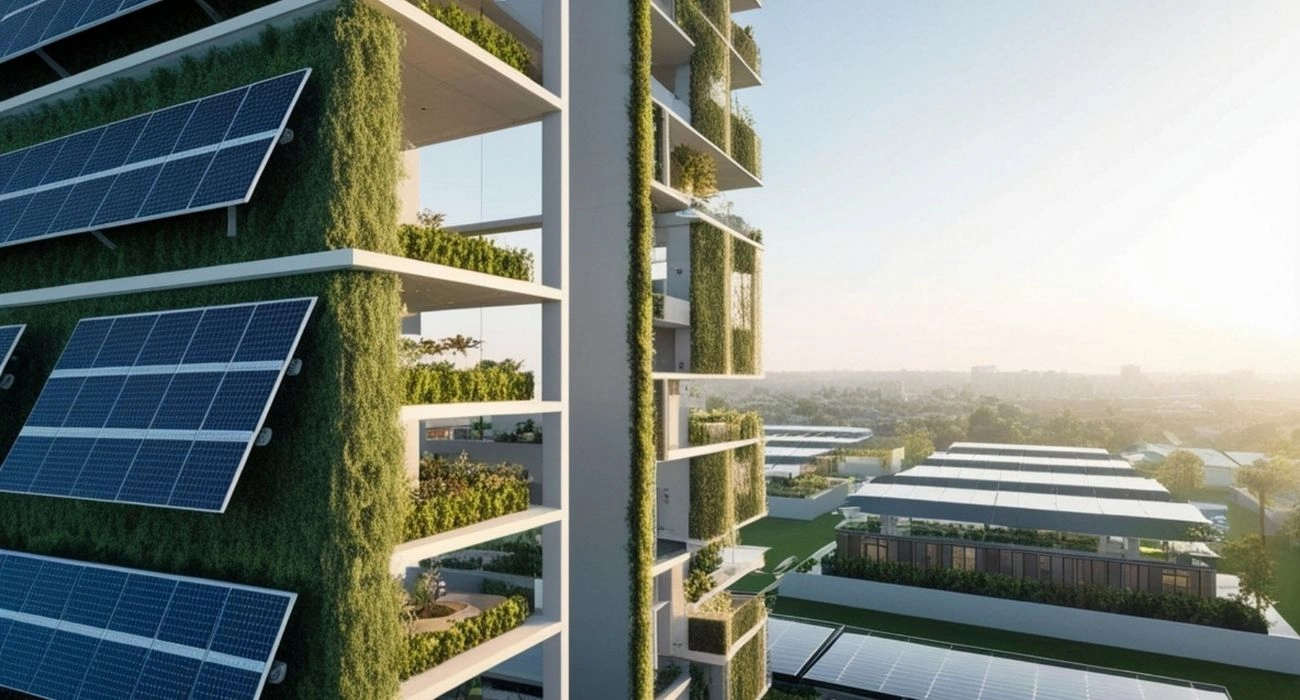
Designing for Longevity: How Circular Architecture Is Changing Modern Cities
Revolutionizing urban spaces through sustainable design practices.
The Shift Towards Circular Architecture
Modern cities are grappling with the dual challenges of sustainability and economic growth. Circular architecture emerges as a transformative approach that prioritizes the reuse and adaptation of buildings throughout their lifespan. Instead of viewing construction as a one-off endeavor, this philosophy encourages a holistic perspective on a building's life cycle, which includes material selection, design flexibility, and long-term usability. By implementing circular design principles, urban planners and architects aim to create structures that not only meet current needs but can also evolve to accommodate future demands.
Governments and developers worldwide are increasingly embracing circular construction methods as a means to reduce waste and enhance the efficiency of urban infrastructure. This shift is not merely a trend; it represents a fundamental change in how communities approach development. The emphasis on sustainable buildings and green architecture aligns with broader sustainability initiatives, aimed at fostering resilience in urban environments while addressing climate change challenges.
Key Principles of Circular Architecture
Facts & Insights
- Circular architecture focuses on minimizing waste by designing buildings for reuse and adaptation.
- Recycled and renewable materials are increasingly incorporated into modern construction projects.
- Flexible building design can reduce future renovation costs while extending a structure's lifespan.
The buildings of tomorrow should be designed not only to last, but to evolve.— Anonymous
The Impact of Circular Design on Urban Innovation
As cities evolve, the principles of circular architecture are essential in shaping the future of urban environments. By focusing on long-term building life cycles, cities can achieve zero waste design, which is a critical goal for sustainable development. More than 100 cities globally are already implementing sustainability initiatives that reflect this commitment to circular design. This trend not only supports environmental responsibility but also fosters healthier, more resilient communities.
Incorporating circular architecture into urban planning can drastically reduce the ecological footprint of cities. By utilizing renewable resources and promoting the reuse of materials, architects and developers can create spaces that are not just functional but also sustainable. This approach helps to mitigate the impacts of urbanization and climate change, paving the way for a future where cities thrive in harmony with their natural surroundings.
100+
Cities adopting sustainability initiatives
0%
Waste design goal
100%
Commitment to long-term building life cycles
1
Global Innovation
Conclusion
As urban centers continue to grow, the principles of circular architecture offer a compelling vision for harmonizing innovation, sustainability, and long-term resilience. The focus on designing buildings for longevity is increasingly recognized as a critical aspect of modern architecture, alongside aesthetic considerations. By prioritizing circular design, cities can ensure that their infrastructure not only meets the needs of today but is also prepared for the challenges of tomorrow.
Categories
Image sources
Canva