
Europe by Night Train: How New Rail Connections Are Changing the Journey Itself
Written by Admin • 2026-10-02 00:51:00
A new direct night train between Milan and Brussels is giving European travellers another way to cross borders; one that turns the journey itself into part of the travel experience.
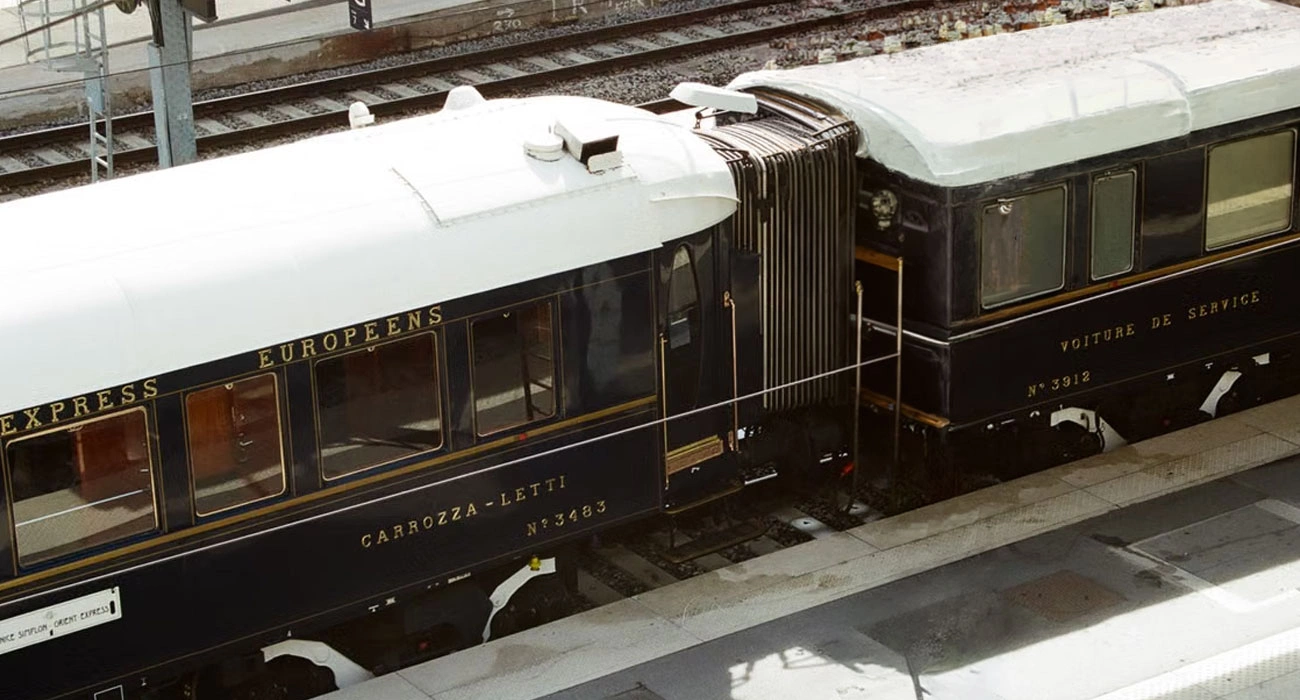
Europe by Night Train: How New Rail Connections Are Changing the Journey Itself
A new direct night train between Milan and Brussels is giving European travellers another way to cross borders — one that turns the journey itself into part of the travel experience.
The Return of the Night Train
For much of modern travel, getting somewhere has become something to minimize. Airports, transfers, and fast connections are designed to make the journey disappear as quickly as possible. Night trains offer a different proposition: what if the journey itself becomes part of the experience? The revival of night trains signals a shift in how we perceive travel, inviting passengers to embrace the route rather than just the destination.
In September 2026, European Sleeper launched a direct night-train connection between Milan and Brussels, linking Northern Italy with Belgium through Switzerland and Germany. This service operates three times a week in each direction, allowing travelers to board in the late afternoon and arrive refreshed the next morning. By combining multiple cultures and landscapes into a single journey, night trains are redefining the experience of travel in Europe.
Milan to Brussels While You Sleep
The inaugural Milan–Brussels service demonstrates a wider European interest in slow and rail-based tourism. Unlike air travel, where the journey is often overlooked, this direct night train encourages a more immersive travel experience. Passengers can enjoy the stunning landscapes of Switzerland and Germany while they travel, fostering a deeper connection with the regions they pass through.
This night train represents more than just a new route; it embodies a growing trend towards sustainable tourism. With increasingly eco-conscious travelers seeking alternatives to flying, rail travel is becoming an attractive option. The Milan–Brussels connection illustrates how rail can provide a scenic and environmentally friendly way to traverse Europe, enhancing the allure of slow tourism.
Why Slow Tourism Is Gaining Momentum
The concept of slow tourism is gaining traction as travelers seek experiences that allow them to engage more deeply with their surroundings. By prioritizing the journey, travelers can appreciate the landscapes, cultures, and communities they encounter. This shift towards a more thoughtful approach to travel not only enriches individual experiences but also fosters a greater appreciation for the environments we visit.
Increased rail connections like the Milan–Brussels night train contribute to this trend, creating new pathways for international visitors while supporting sustainable tourism practices. The ability to connect multiple destinations without the hassle of airport transfers or lengthy layovers allows for a more enjoyable and relaxed travel experience. As rail travel becomes more accessible, it encourages exploration beyond traditional tourist hotspots.
The new Milan–Brussels night train connects four countries in a single overnight journey.— European Sleeper and ENIT
Facts & Insights
- European Sleeper launched its direct Milan–Brussels night train on 9 September 2026.
- The service connects Northern Italy and Belgium through Switzerland and Germany without requiring passengers to change trains.
- The service operates three times per week in each direction.
4
Countries Connected
3×
Weekly: Each Direction
1
Direct Night Route
2026
Launch Year
When the Journey Becomes Part of the Destination
The renewed interest in night trains reflects a subtle change in how travelers think about movement. Speed remains important, but the journey itself can also carry cultural, environmental, and experiential value. A direct overnight connection between Milan and Brussels illustrates how rail can once again become more than a practical alternative to flying: it can become a way of experiencing geography.
As European destinations become more closely connected by rail, travelers gain opportunities to slow down, combine cities, and see the landscapes between them. The result is not simply a new transport option but another way of understanding travel itself. This shift towards embracing the journey as a vital element of the travel experience is a promising trend in the evolving landscape of European tourism.
Categories
Tagged in this story
Image sources
Pexels - Photo by Maartje Eyskens