
Europe's Battery Boom: The Technology Reshaping Energy Security
Written by Admin • 2026-10-26 01:15:00
Europe's battery boom is reshaping energy security by enhancing the capacity to store renewable energy and manage grid demand effectively. With significant investments in battery storage technology, Europe is on the path to a more resilient energy infrastructure that supports the transition to clean energy.
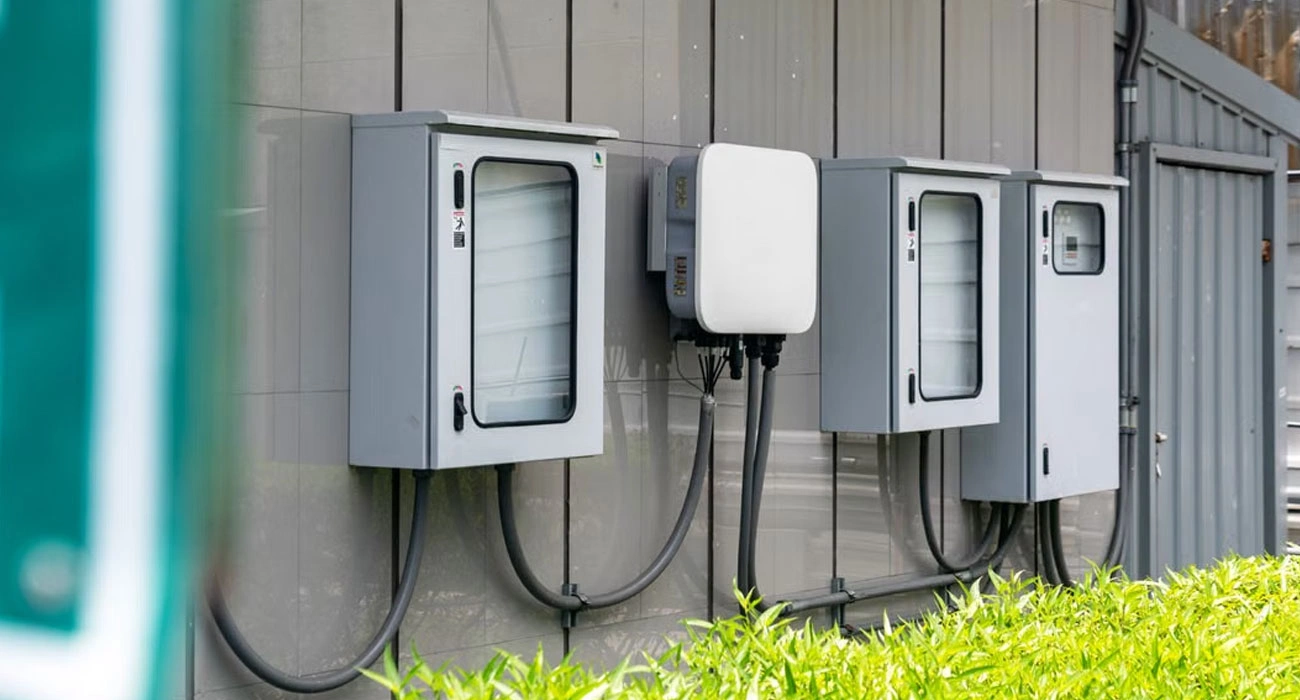
Europe's Battery Boom
The Technology Reshaping Energy Security
The Challenge of Balancing a Changing Energy System
Electricity systems must continuously balance supply and demand. Traditional power plants can adjust their output based on demand, but renewable sources like wind and solar are inherently variable, relying on weather and daylight. As the share of renewable energy in the electricity mix increases, managing these fluctuations becomes crucial. Battery energy storage offers a solution by storing surplus electricity when supply is high and releasing it when demand rises or renewable generation drops. This capability not only alleviates pressure on the grid but also optimizes the use of electricity that might otherwise be wasted.
However, battery storage does not eliminate the need for robust transmission networks, reliable generation, or effective demand management. Instead, it forms an integral part of a comprehensive energy system that must harmonize various energy sources and technologies. As Europe's energy landscape evolves, integrating battery technology will be key in achieving a more resilient and responsive grid.
From Household Batteries to Utility-Scale Projects
Battery systems come in various scales, from household batteries that store energy from rooftop solar panels to large utility-scale installations that provide essential services to the electricity grid. Recent growth in Europe has been notably driven by utility-scale projects, which can respond dynamically to market signals and grid requirements. These installations store electricity during periods of high supply and release it when demand peaks, helping to stabilize the grid and enhance overall efficiency.
The economic viability of battery projects depends on multiple factors, such as equipment costs, electricity price fluctuations, and regulatory frameworks governing energy market participation. Therefore, a battery is not just a piece of hardware; its value hinges on its effective integration into the broader energy ecosystem, which is essential for maximizing the benefits of battery technology.
The next energy challenge is not only generating clean electricity, but making it available when and where it is needed.— Industry Expert
Investment and Energy Security
The expansion of battery storage capacity carries significant implications for energy security beyond merely achieving renewable energy targets. Enhanced storage capabilities can decrease reliance on fossil fuel generation for grid-balancing services, thereby increasing flexibility within electricity systems. Moreover, the EU's transition toward cleaner energy presents an industrial opportunity, driving demand for engineering, software, installation, and maintenance expertise.
Yet, the journey to expand energy storage capacity goes beyond mere investment announcements; it requires navigating regulatory landscapes, obtaining necessary permits, securing grid connections, and establishing sustainable revenue models. Supply chains for battery components and raw materials also play a crucial role in determining project costs and timelines, reinforcing the need for a robust and responsible approach to battery deployment.
Facts & Insights
- Europe added 36 GWh of new battery storage capacity in 2025, according to SolarPower Europe.
- Utility-scale projects are becoming a major driver of European battery-storage growth.
- The European Union added 27.1 GWh of new battery capacity in 2025.
36 GWh
New European Battery Storage Installed in 2025
27.1 GWh
New EU Battery Capacity in 2025
100+ GWh
Europe's Operational Battery Capacity Passed This Threshold in 2025
2030
Target Horizon for Europe's Next Phase of Storage Expansion
Building a More Flexible Energy Future
Europe's ongoing battery expansion signifies a pivotal change in energy infrastructure planning. While generation capacity remains vital, the capacity to manage the availability of electricity is equally critical. For investors, the focus shifts to identifying where storage can effectively address systemic challenges. Energy companies must integrate battery storage with renewable generation sources while optimizing trading operations and grid services.
For policymakers, creating regulations that incentivize flexibility while safeguarding reliability and consumer interests is essential. While battery storage alone will not resolve all the challenges of the energy transition, its increasing significance in balancing the grid underscores the value of technology in transforming renewable electricity into a reliable part of everyday life.
Categories
Tagged in this story
Image sources
Pexels - Photo by panumas nikhomkhai