
Everything-to-Grid: Turning Idle Batteries Into the World’s Next Energy Resource
Written by Admin • 2026-09-03 01:20:00
Everything-to-grid technology could transform the role of batteries in the energy system, turning electric vehicles and home batteries into active components of a distributed energy network. This innovation not only enhances energy efficiency but also promotes sustainability by maximizing the use of renewable resources.
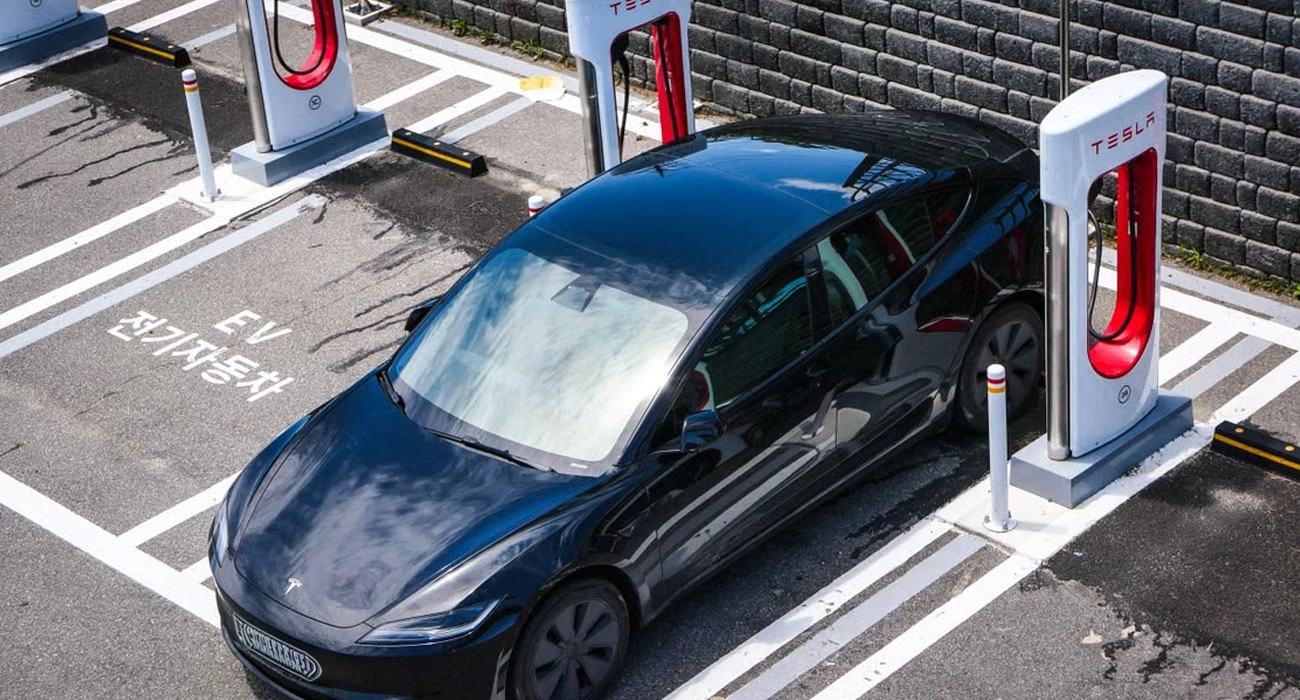
Everything-to-Grid: Turning Idle Batteries Into the World’s Next Energy Resource
Millions of batteries may soon become more than storage devices.
The Energy Problem Hiding in Plain Sight
The challenge of aligning renewable energy generation with fluctuating electricity demand is becoming increasingly apparent. As solar power generation peaks during daylight hours, the demand for electricity often rises in the evening, creating a mismatch. This inconsistency presents a significant hurdle for the effective utilization of renewable energy sources. Without efficient mechanisms to store and distribute excess energy generated during peak production times, much of this valuable resource goes unused. The Everything-to-Grid technology concept tackles this issue by transforming existing resources into active participants in the energy landscape.
By integrating electric vehicles (EVs), home batteries, and industrial storage into the grid, these systems can potentially provide backup power during periods of high demand. This innovative approach not only helps stabilize the grid but also encourages a more sustainable energy ecosystem. As the world moves towards a greener future, harnessing the power of these idle resources can play a pivotal role in ensuring that renewable energy meets the needs of society.
What Everything-to-Grid Actually Means
Everything-to-Grid refers to the idea of utilizing idle batteries, such as those in electric vehicles and home energy storage systems, as active components within the electricity network. Traditionally viewed as passive storage devices, these batteries can instead feed stored energy back into the grid when demand peaks. This shift in perspective helps to create a more flexible and responsive energy system, where distributed assets work together to address fluctuations in energy supply and demand.
For instance, electric vehicles can be charged during off-peak hours when electricity is abundant and inexpensive. When demand increases, these vehicles can discharge energy back into the grid, effectively acting as a buffer to support overall grid stability. Similarly, home batteries can be charged using solar energy during the day, later releasing that energy back to the grid at night when demand rises. This technology not only enhances grid resilience but also opens up new revenue streams for consumers.
Everything-to-grid technology mobilizes distributed assets like electric vehicles and batteries.— World Economic Forum, Top 10 Emerging Technologies of 2026
From Battery to Grid Resource
The transition from viewing batteries as simple storage solutions to recognizing them as dynamic grid resources is crucial for modern energy infrastructure. This paradigm shift allows distributed storage systems to become integral components of electricity supply chains. As these technologies scale up, they can significantly increase the flexibility of energy systems, enabling a greater share of renewable energy to be utilized effectively.
In California, for instance, an early demonstration involved over 16,000 solar-equipped homes collectively contributing 51 MW back to the grid during peak evening hours. This successful initiative illustrates the potential of Everything-to-Grid technology in real-world applications and sets a precedent for future developments in the energy sector. If replicated on a larger scale, this model could reshape energy consumption patterns and enhance the reliability of renewable energy systems.
Facts & Insights
- Everything-to-grid technology allows distributed assets such as EVs and batteries to return stored electricity to the grid during periods of high demand.
- More than 16,000 solar-equipped homes in California were able to push 51 MW back into the grid during an evening demand peak in one cited demonstration.
- The World Economic Forum selected everything-to-grid energy as one of its Top 10 Emerging Technologies of 2026.
The Future of Distributed Energy
As we envision the future of distributed energy, the prospect of millions of individual batteries operating as a cohesive network becomes increasingly plausible. This interconnected system could enhance energy security by ensuring a more stable supply of electricity, particularly during peak demand periods. Furthermore, it promotes a decentralized energy model where consumers become active participants in the energy market, rather than passive consumers.
The implications of Everything-to-Grid technology extend beyond just energy efficiency; they also promote environmental sustainability. By allowing renewable energy sources to be utilized more effectively, this technology can significantly reduce reliance on fossil fuels and lower carbon emissions. Ultimately, as distributed energy resources gain prominence, they will empower communities to take control of their energy consumption and contribute to a more resilient and sustainable future.
51 MW
Demonstrated grid contribution
16,000+
Solar-equipped homes involved
10
WEF emerging technologies
24/7
Potential grid flexibility
Categories
Tagged in this story
Image sources
Pexels - Photo by DaeYeoung Ahn