
Everything-to-Grid: Why the World’s Batteries Could Become Power Stations
Written by Admin • 2026-09-04 01:33:00
What if millions of electric vehicles and batteries could work together as one giant power resource? Everything-to-grid technology could transform everyday storage devices into part of tomorrow's electricity infrastructure.
Everything-to-Grid: Why the World’s Batteries Could Become Power Stations
Transforming ordinary batteries into infrastructure
The Electricity Problem Is About Timing
Generating enough electricity isn't just about production; it's also about timing. Renewable energy sources like solar and wind don't always produce electricity when it's most needed. For instance, solar energy peaks during the day, while electricity demand may spike in the evening when the sun has set. This mismatch creates a significant challenge for energy systems. To address this, everything-to-grid technology aims to optimize the use of existing resources by integrating distributed energy assets into the electricity grid.
By leveraging smart grid technology, we can connect various energy storage devices, such as electric vehicles (EVs) and home batteries, to the grid. This integration enables these assets to not only consume energy but also to return it to the grid when demand increases, thereby improving overall energy efficiency. The timing issue can be mitigated by allowing these distributed resources to act as flexible power sources.
What Happens When Batteries Join the Grid?
Everything-to-grid technology introduces a new model where batteries are not merely passive storage units but active participants in the energy market. This model allows for the aggregation of energy stored in multiple locations, transforming individual batteries into a collective power resource. When demand on the grid rises, these batteries can discharge their stored energy, thus stabilizing the grid and ensuring a reliable electricity supply.
This paradigm shift from centralized power generation to a decentralized model presents significant opportunities for enhancing grid resilience. By utilizing distributed energy resources, utilities can better manage peak loads and reduce reliance on fossil fuels, ultimately leading to a more sustainable energy future.
The Car That Can Become a Power Source
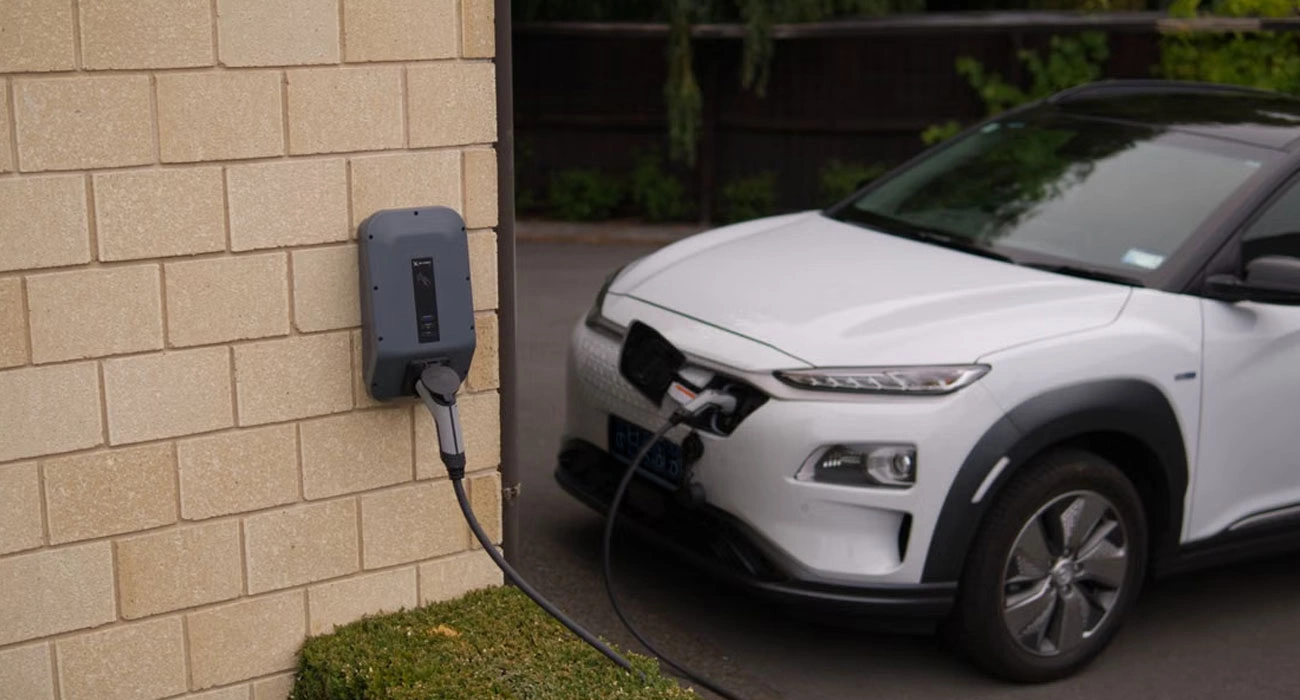
Electric vehicles are at the forefront of everything-to-grid technology. As EV adoption continues to grow, these vehicles are not just modes of transportation; they represent substantial energy storage capabilities. When connected to the grid, EV batteries can help meet electricity demand during peak periods by supplying stored energy back to the grid.
This vehicle-to-grid capability not only enhances energy efficiency but also provides financial incentives for EV owners. By participating in energy markets, owners can earn compensation for the electricity their vehicles supply to the grid. This creates a win-win situation, promoting both renewable energy use and consumer engagement in energy systems.
Millions of Small Batteries, One Giant Network
Imagine a future where millions of small batteries—ranging from home energy storage systems to electric vehicles—are interconnected, forming a vast, responsive energy network. This distributed storage system could provide a buffer against fluctuations in energy supply and demand, enabling a more stable and resilient electricity grid.
The potential of this network lies in its ability to harness the combined energy stored in these assets, allowing for a more flexible approach to energy management. By tapping into this collective power, we could reduce the need for additional centralized generation capacity and enhance the integration of renewable energy sources, ultimately leading to a cleaner, more efficient energy landscape.
Everything-to-grid technology mobilizes distributed assets like electric vehicles and batteries.— World Economic Forum, Top 10 Emerging Technologies of 2026.
Facts & Insights
- Everything-to-grid technology allows distributed batteries and electric vehicles to return stored electricity to the grid during periods of high demand.
- The World Economic Forum included everything-to-grid technology among its Top 10 Emerging Technologies of 2026.
- The concept could allow energy systems to use existing distributed storage rather than relying exclusively on new centralised generation capacity.
10
WEF Emerging Technologies
24/7
Grid Demand
M+
Potential Connected Batteries
1
Distributed Energy Network
Smart electricity grid visualization showing connections between EVs, home batteries, and the grid.
From Consumers to Energy Participants
In the emerging everything-to-grid model, households are not just passive consumers of electricity; they can become active participants in the energy market. By adopting home batteries and electric vehicles, families can contribute to the grid's stability and efficiency. This shift in consumer behavior is facilitated by smart technologies that allow for real-time energy management and optimization.
As consumers transition into active energy participants, they can take advantage of new economic opportunities. By supplying excess energy back to the grid, households can not only lower their energy costs but also gain financial rewards. This empowerment fosters a more sustainable relationship with energy and encourages greater adoption of renewable energy resources.
The Grid Is Becoming Everyone's Infrastructure
The most interesting aspect of everything-to-grid technology may not be the battery itself, but the change in thinking it represents. Energy infrastructure has traditionally been built around large facilities producing electricity for passive consumers. A distributed model turns that relationship upside down, allowing millions of individual devices to become coordinated participants in the system.
If the technology reaches meaningful scale, the boundary between consumer and infrastructure could begin to disappear. That possibility makes everything-to-grid more than an energy innovation; it represents a new way of imagining how society can organize essential infrastructure around resources that already exist.
Categories
Tagged in this story
Image sources
Pexels - Photo by Ed Harvey