
Football for Everyone: How Europe Is Rebuilding the Game From the Grassroots Up
Written by Admin • 2026-10-02 00:54:00
Europe's football culture is being strengthened far beyond its biggest stadiums, as grassroots programmes create new opportunities for children, older players, people with disabilities and underserved communities.
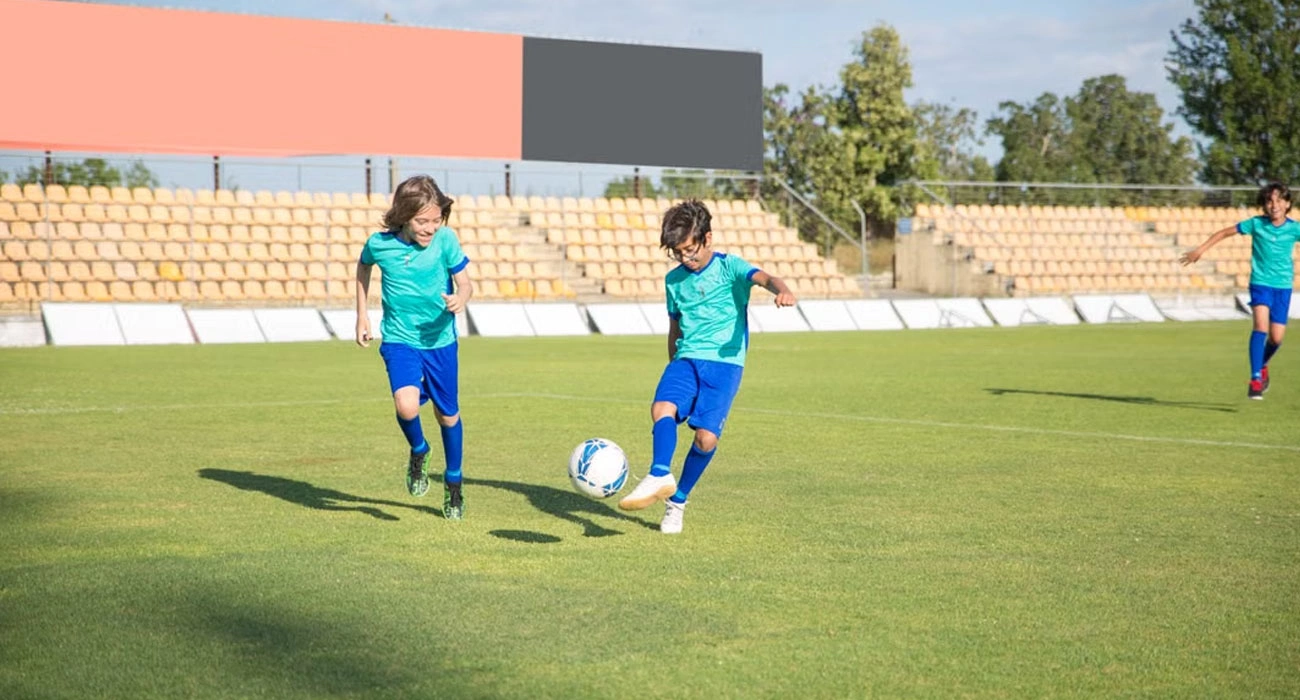
Football for Everyone: How Europe Is Rebuilding the Game From the Grassroots Up
Exploring the UEFA Grassroots Week 2026 and its Impact on Community Football
Football Begins Before the Stadium
The world's biggest football competitions attract millions of viewers, but the foundations of the sport are built somewhere much quieter: local pitches, school grounds, volunteer-led clubs and community programmes. This is where the true spirit of football thrives, and where UEFA Grassroots Week 2026 shines a light on the importance of grassroots initiatives that connect people with the sport they love.
UEFA Grassroots Week 2026, held from 23 to 30 September, placed that foundation in the spotlight. Across Europe, national football associations showcased programmes designed to make the game more accessible to children, older players, people with disabilities and communities that have traditionally faced barriers to participation. These initiatives are not only crucial for the sport's growth but also for fostering inclusivity and community spirit.
Making the Game Work for More People
During UEFA Grassroots Week, various national associations presented initiatives aimed at expanding opportunities for diverse groups. In Denmark and England, programmes focused on young people with disabilities, while France witnessed the growth of walking football. These initiatives demonstrate how grassroots football is becoming increasingly flexible in welcoming people into the game, ensuring that everyone, regardless of age or ability, can participate.
The commitment to inclusivity is evident in the various programmes showcased during the week. For instance, a Girls Football Festival in Montenegro brought together 80 girls for three days filled with football, education, and social activities. This kind of engagement not only promotes the sport but also empowers young girls, encouraging them to pursue football in a supportive environment.
Access to football should not be dependent on where someone lives or the barriers they face.— UEFA, September 2026. UEFA.com
Girls, Disability and Walking Football
The initiatives introduced during UEFA Grassroots Week highlight the importance of catering to various demographics, including women and individuals with disabilities. Programs focused on girls' football are gaining traction, breaking down stereotypes and expanding participation. Similarly, walking football has emerged as a popular option for older adults, ensuring that age does not hinder one's ability to enjoy the game.
Disability football initiatives are expanding in countries like Denmark and England, providing crucial opportunities for young people with disabilities to engage in the sport. These programmes not only promote physical activity but also foster social inclusion, helping participants build confidence and community connections. Collectively, these efforts illustrate how football is evolving to meet the needs of a diverse population.
The Coaches and Volunteers Behind the Game
Behind every successful grassroots initiative are the dedicated coaches and volunteers who work tirelessly to create engaging and inclusive environments. These individuals are essential to the development of grassroots football, providing guidance, support, and inspiration to players of all ages and abilities. Their passion for the game and commitment to fostering community spirit often shape the experience for participants.
Moreover, the work of these coaches and volunteers extends beyond the field. They often serve as role models, instilling values of teamwork, perseverance, and respect in young players. By creating a welcoming atmosphere, they ensure that every participant feels valued, empowering them to not only enjoy the game but also develop life skills that will benefit them off the pitch.
8
Days: Grassroots Week
80
Girls at Montenegro Fest.
3
Featured Accessibility Models
1
Europe-Wide Movement
Facts & Insights
- UEFA Grassroots Week 2026 ran from 23 to 30 September and highlighted programmes making football accessible across Europe.
- UEFA highlighted initiatives for young people with disabilities in Denmark and England and the growth of walking football in France.
- A Girls Football Festival in Montenegro brought together 80 girls for three days of football, education and social activities.
Why Grassroots Sport Matters to Football's Future
Grassroots sport plays a vital role in fostering physical activity, social connections, and community participation. By making football accessible to various ages and abilities, these initiatives strengthen the pathways through which individuals discover and maintain a relationship with the sport. The inclusivity of grassroots programmes ensures that football retains its relevance and appeal across generations.
Ultimately, football's global popularity is sustained by the people who play it, coach it, and organise it long before they reach a professional stadium. The initiatives highlighted during UEFA Grassroots Week demonstrate how the sport can adapt to different ages, abilities, and communities without losing its essential character. The future of the sport, therefore, is not only being built under stadium lights, but also on local pitches, in schools, and within communities across Europe.
Categories
Tagged in this story
Image sources
Pexels - Photo by Kampus Production