
From Stadium to Street: How Sport Became a Global Lifestyle Language
Written by Admin • 2026-09-25 01:00:00
Sport is increasingly becoming more than something people watch. Its colours, aesthetics and personalities are becoming part of everyday fashion, identity and culture.
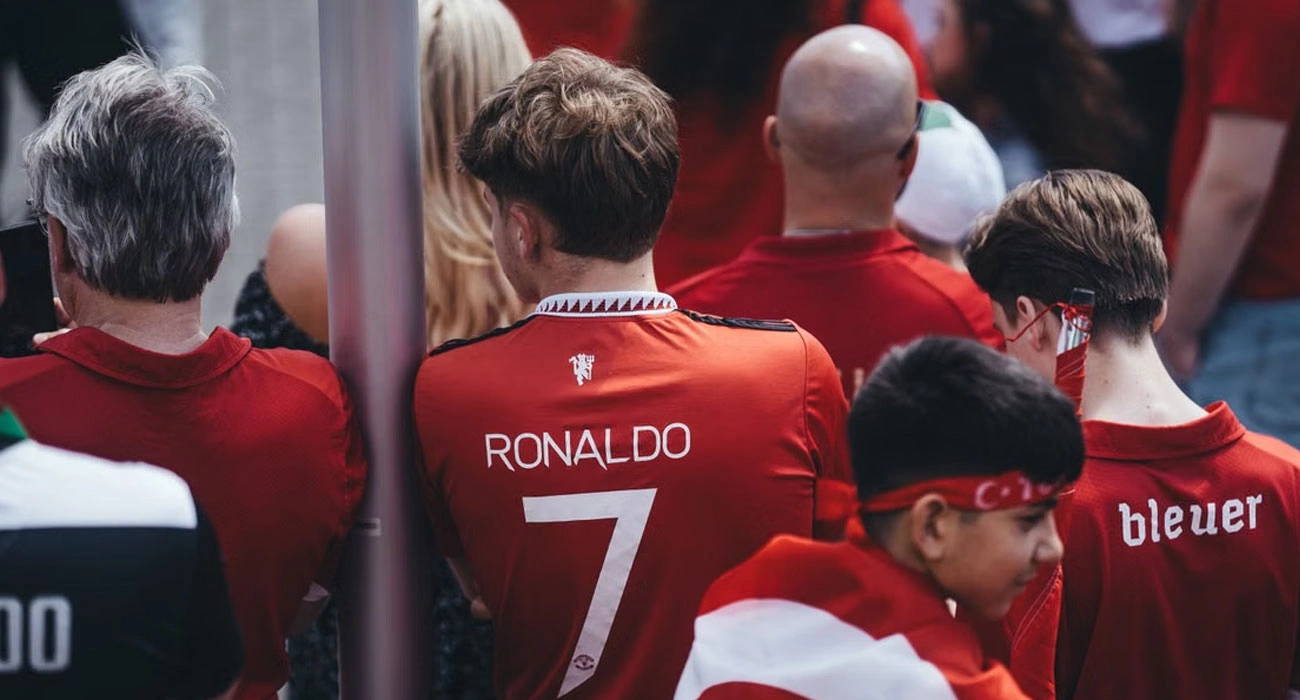
When Sport Becomes a Lifestyle Language
Exploring the cultural impact of sports on fashion, identity, and everyday life.
Sport Leaves the Stadium
Traditionally, sport was confined to specific venues: the stadium, the court, or the track. However, a significant cultural shift is occurring, as the visual language of sports transcends these boundaries. Fans are no longer merely spectators; they are actively integrating sports aesthetics into their daily lives. This crossover is evident in how team colors and logos now adorn casual wardrobes, transforming jerseys into fashionable statements. Pinterest's 2026 Summer Trend Report highlights this evolution, indicating that sports have become a crucial part of cultural expression.
As sports culture evolves, it reflects broader societal trends. The fusion of sports and everyday fashion signifies a shift in how individuals identify with their favorite teams and athletes. This transformation also indicates that fandom is not limited to game days; it permeates various aspects of life, influencing how people express themselves and connect with others. From casual outings to social gatherings, sports-related attire has become a staple, showcasing a new form of identity.
Why Jerseys Became Fashion
The rise of sports jerseys as fashion items is a direct response to the changing landscape of fandom. No longer viewed solely as merchandise, jerseys now represent personal style and cultural affiliation. The increase in searches for World Cup jerseys, which saw an 840% spike, highlights this trend. Fans are increasingly seeking to showcase their allegiance through stylish interpretations of traditional sportswear, blurring the lines between sports apparel and contemporary fashion.
This phenomenon reflects a broader acceptance of sports as an integral part of lifestyle choices. Athletes' personal styles often influence these trends, as they showcase how sports gear can be worn in various contexts. As fans adopt these styles, they contribute to a vibrant culture that celebrates both athleticism and individual expression, demonstrating that sports can shape not only performance but also the way people present themselves to the world.
Athletes as Cultural Influencers
Athletes have transcended their roles as competitors, emerging as influential figures in fashion, wellness, and lifestyle branding. Their impact extends beyond the field, with many leveraging their platforms to create meaningful connections with fans. This shift in perception allows athletes to be seen as cultural icons, shaping trends and inspiring personal identity among their followers. As athletes embrace their multifaceted roles, they help to redefine what it means to be a fan.
The evolving relationship between athletes and their fans signifies a new era of engagement. Social media platforms amplify this connection, allowing fans to interact with athletes on a personal level. This accessibility fosters a sense of community, where athletes' lifestyles and choices become aspirational for fans. Consequently, this cultural dynamic enhances the overall sports experience, transforming fandom into an integral part of daily life.
Formula 1, Football and the New Sports Aesthetic
The influence of sports on fashion is particularly evident in the aesthetics of Formula 1 and football. The rapid rise of searches for Formula 1-inspired outfits, which increased by 483%, demonstrates how motorsport's visual style has permeated mainstream fashion. The sleek, high-octane designs of racing outfits resonate with fans, providing a fresh take on sports-inspired apparel. Similarly, football culture continues to inspire luxury fashion brands, showcasing the crossover between sports and high-end design.
These sports aesthetics are not limited to clothing; they influence lifestyle choices and personal branding. As fans adopt these styles, they express their identities in new ways, merging their love for sports with a passion for fashion. The result is a vibrant, dynamic culture that celebrates the aesthetics of sport while fostering a sense of belonging among enthusiasts.
Fandom is becoming a global lifestyle signal.— Pinterest, Summer 2026 Trend Report
Facts & Insights
- Pinterest's 2026 Summer Trend Report analysed search behaviour from more than 600 million monthly active users worldwide.
- Searches for World Cup jersey-related styling increased 840% in the report's data.
- Searches for Formula 1 aesthetic outfits increased 483%, reflecting the crossover between motorsport and fashion culture.
When Fandom Becomes Identity
As sports culture continues to expand, fans are increasingly defining their identities through their affiliations with teams and athletes. This shift illustrates how sports fandom is evolving into a broader lifestyle choice, where individuals express their passion through various forms of self-presentation. The cultural power of sport allows fans to participate in a community that transcends geographic boundaries, fostering connections among diverse groups.
The integration of sports into everyday life has led to new opportunities for self-expression and connection. Fans now have the ability to showcase their allegiance through fashion, social media engagement, and lifestyle choices. This cultural phenomenon emphasizes that being a fan is not solely about consumption; it is about identity, community, and shared experiences that enrich individual lives.
600M+
Monthly Pinterest users analysed
+840%
World Cup jersey searches
+483%
F1 aesthetic outfit searches
+698%
'90s minimalist style searches
The cultural expansion of sport creates new forms of community and self-expression. It also gives athletes opportunities to influence conversations beyond competition, while enabling fans to participate in sports culture regardless of whether they play or attend events.
The Game Continues Beyond the Final Whistle
The cultural power of sport has never depended entirely on competition. Its symbols, personalities, and emotional narratives can travel into fashion, music, design, and everyday identity long after the match ends. The current crossover suggests that the modern sports audience is not simply consuming games but incorporating elements of them into how they present themselves and connect with others. For athletes, brands, and sporting organisations, this creates a much wider cultural ecosystem around performance — and for BritishPEDIA, it offers a compelling example of how sport can become part of the broader story of identity, creativity, and social connection.
Categories
Tagged in this story
Image sources
Pexels - Photo by Omar Ramadan