
From Tourism Growth to Tourism Value: The New Global Race for Resilient Destinations
Written by Admin • 2026-10-05 01:08:00
Topics
Tourism is no longer simply competing for more visitors. The next global challenge is turning travel demand into lasting economic, social and environmental value for destinations and their communities.
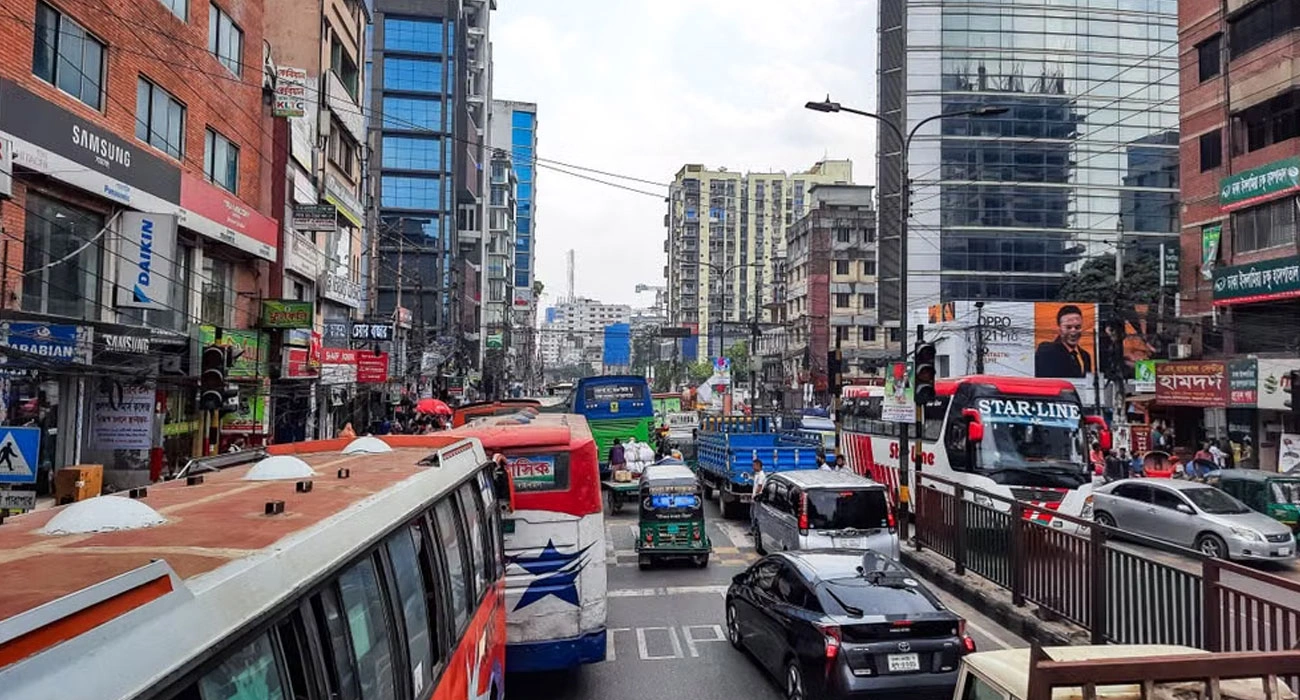
Global Tourism in 2026: From Visitor Growth to Lasting Value
Exploring the shift from attracting visitors to creating sustainable value in global tourism.
Tourism Has Moved Beyond Recovery
Global tourism has entered a transformative phase, moving beyond recovery from the pandemic. In 2025, international tourist arrivals reached a remarkable 1.5 billion, a testament to the resilient demand for travel. However, the focus is shifting; destinations are no longer merely competing for visitor numbers but are now tasked with creating lasting value from this growth. The World Economic Forum's 2026 Travel & Tourism Development Index indicates that 92% of economies improved their tourism development scores, showcasing enhanced tourism conditions across the globe.
This renewed focus on value emphasizes a comprehensive approach to tourism that encompasses economic, social, and environmental dimensions. As destinations grapple with the complexities of growth, they must prioritize the well-being of local communities and the sustainability of their natural assets. The challenge lies in building robust tourism infrastructure that meets both visitor expectations and local needs, ensuring that tourism can thrive without compromising the very qualities that attract travelers.
The next chapter is not simply about attracting more visitors.— Ramya Krishnaswamy, World Economic Forum
A More Competitive Global Tourism Map
Emerging tourism economies are reshaping the global tourism landscape, with many countries enhancing their competitiveness. The 2026 TTDI reveals that 101 out of 110 economies improved their scores, indicating a collective effort toward better tourism management. As these regions invest in their tourism capabilities, they create a more competitive environment that challenges traditional tourist destinations. This change is not merely about attracting tourists but also about ensuring that the growth translates into tangible benefits for local communities.
The rise of emerging destinations necessitates a reevaluation of tourism strategies to maintain relevance in a rapidly evolving market. Destinations must find innovative ways to differentiate themselves by offering unique experiences that resonate with modern travelers. This shift in focus will require collaboration across sectors to build a tourism ecosystem that supports local businesses, respects cultural heritage, and protects the environment.
The Problem With Growth Without Value
While growth in tourism is essential, it poses significant challenges when not managed correctly. Issues such as affordability, overcrowding, and inadequate infrastructure can diminish the visitor experience and lead to local resentment. As destinations strive for increased visitor numbers, the unequal distribution of tourism benefits can exacerbate social tensions and environmental degradation. It is critical that growth strategies incorporate not only economic metrics but also social equity and environmental sustainability.
To navigate these challenges, destinations must implement policies that prioritize responsible tourism practices. This includes investing in infrastructure that can handle increased visitor flows, ensuring that local communities benefit economically, and safeguarding natural resources. By addressing these concerns, destinations can create a tourism model that thrives on quality rather than quantity, ensuring that growth is sustainable and equitable.
Facts & Insights
- International tourist arrivals reached a record 1.5 billion in 2025, according to the WEF's 2026 tourism report.
- 101 of the 110 economies covered by the 2026 TTDI improved their scores between 2024 and 2026.
- The economic contribution of travel and tourism reached $11.6 trillion in 2025.
Resilience Is Becoming a Destination Advantage
As the tourism landscape evolves, resilience has emerged as a crucial advantage for destinations. Climate disruption, geopolitical instability, and adaptability are now critical factors that influence tourist choices. Destinations that can demonstrate their capacity to cope with these challenges will be better positioned to attract visitors looking for safe and reliable experiences. This resilience not only enhances the visitor experience but also strengthens the local economy and community wellbeing.
Investing in resilient infrastructure and sustainable practices is essential for long-term tourism success. This involves integrating climate responsiveness into planning and development processes, thereby ensuring that destinations can withstand shocks and recover quickly from disruptions. Ultimately, the ability to adapt and respond effectively to both challenges and opportunities will define the future of tourism and its role in global economies.
From Visitor Numbers to Lasting Impact
The future of tourism lies in recognizing that it's not just about the number of visitors but the lasting impact those visitors have on the destination. By fostering a tourism model that prioritizes the needs of businesses, residents, and workers, destinations can create a more sustainable ecosystem. This approach ensures that tourism contributes positively to local economies while preserving the cultural and natural assets that make destinations unique.
As the global tourism industry shifts toward this more mature model, destinations have an opportunity to build stronger connections between visitors and local communities. By emphasizing authentic experiences and meaningful engagement, tourism can become a powerful tool for economic growth and social development, benefiting everyone involved.
Categories
Tagged in this story
Image sources
Pexels - Photo by MD Shaha Riaz Rimon