
From Waste Management to Industrial Design: the Circular Economy Enters Its Next Phase
Written by Admin • 2026-09-17 01:39:00
Topics
The circular economy is evolving beyond traditional recycling approaches, compelling businesses to rethink how products are designed, manufactured, and maintained. The recent World Circular Economy Forum highlighted the importance of integrating sustainability into industrial strategies for long-term success.
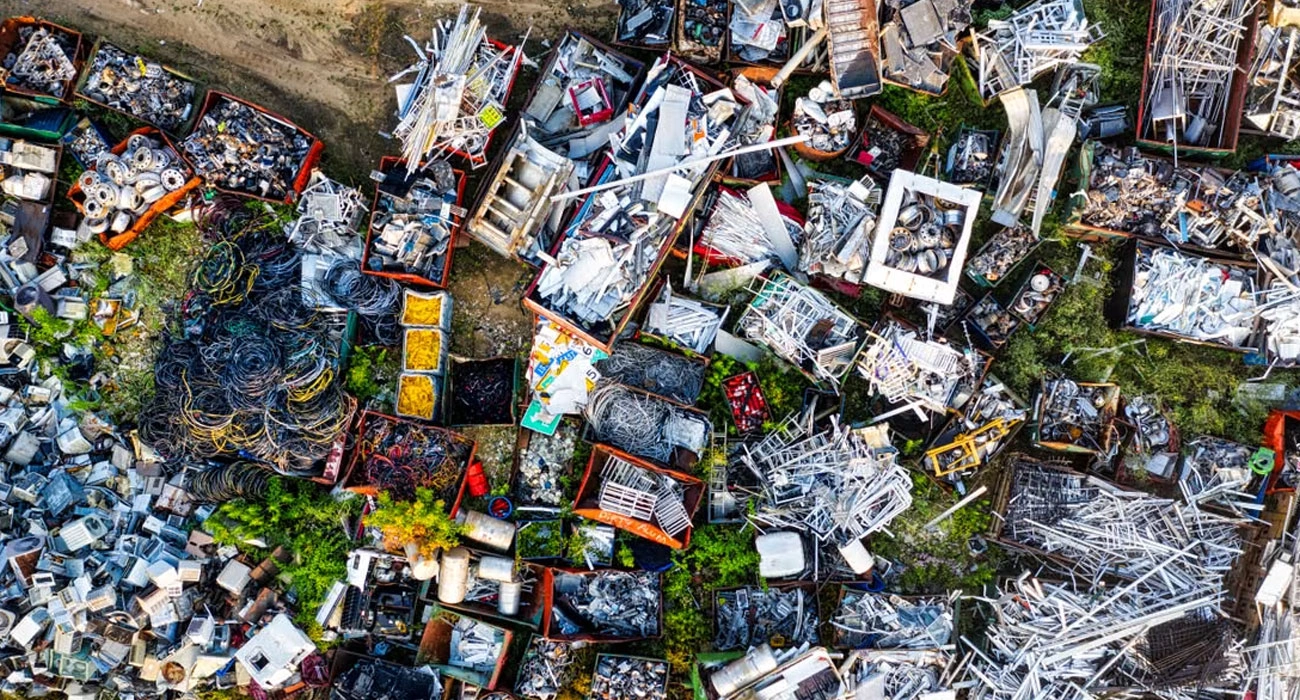
From Waste Management to Industrial Design
The Circular Economy Enters Its Next Phase
Beyond Recycling
The circular economy is evolving from its traditional focus on recycling to a more holistic approach that encompasses product design and resource management. This shift was a focal point at the World Circular Economy Forum 2026 in Gandhinagar, India, where industry leaders gathered to discuss the future of circularity. Policymakers, businesses, and investors are now prioritizing the design and production processes, emphasizing the need to retain value in materials before they even reach the consumer. This redefined perspective is crucial for creating sustainable business models that thrive in today's competitive environment.
As the conversation around circularity moves upstream, businesses are encouraged to rethink their entire supply chains. The realization that products should be designed with their lifecycle in mind is changing how companies operate. This involves not just recycling but also ensuring that materials are durable, repairable, and recoverable. By integrating these principles into product design, businesses can enhance their resource efficiency and contribute to a more sustainable future.
Designing Products to Keep Their Value
Designing for circularity means creating products that are not only functional but also capable of being reused and recycled. This requires a shift in mindset for designers, who must now consider the entire lifecycle of a product from the initial concept. Incorporating recycled materials and ensuring that products can be easily disassembled for repair or recycling are critical factors. By prioritizing these aspects, companies can produce goods that maintain their value and appeal to increasingly conscious consumers.
Furthermore, this approach fosters a culture of innovation, as businesses seek new materials and methods to enhance product longevity. Collaboration between designers, manufacturers, and material scientists is essential to developing solutions that not only meet consumer demands but also align with sustainability goals. As industries embrace this shift, the benefits extend beyond individual companies to the broader economy, promoting resilience and reducing dependency on finite resources.
Circularity and Supply-Chain Resilience
The circular economy's emphasis on supply-chain resilience is becoming increasingly relevant in today's global landscape. Businesses are now more aware of the vulnerabilities that traditional linear supply chains can present, especially in times of crisis. By adopting circular principles, companies can build robust supply chains that not only mitigate risk but also enhance overall efficiency. This involves re-evaluating sourcing strategies and partnering with suppliers who prioritize sustainable practices.
Moreover, integrating sustainability into supply chains allows businesses to respond more effectively to changing market demands and regulatory requirements. As stakeholders, including consumers and investors, push for greater accountability, companies that proactively embrace circularity are likely to gain a competitive edge. This shift not only helps safeguard the environment but also positions businesses for long-term success in a marketplace that increasingly values sustainability.
The Investment Challenge
Transitioning to a circular economy requires significant investment in infrastructure and technology. To effectively support circular supply chains, businesses must secure funding for innovative processes and materials that promote sustainability. This presents a challenge, as the initial outlay can be substantial, and the returns may not be immediately apparent. However, forward-thinking investors recognize the long-term benefits of supporting circular initiatives, viewing them as integral to future-proofing their portfolios.
Additionally, financing options such as green bonds and impact investing are gaining traction, providing avenues for companies to access the capital needed for circular innovations. Governments and institutions are also playing a crucial role by implementing policies that incentivize sustainable practices and support research into new technologies. By aligning financial resources with circular goals, businesses can turn sustainability into a viable and profitable strategy.
Circularity is moving from the waste bin back to the drawing board.— Editorial framing
Facts & Insights
- The World Circular Economy Forum 2026 was held in Gandhinagar, India, marking the forum's first edition in South Asia.
- More than 3,600 participants from 62 countries and 135 exhibitors took part in the event.
- Discussions included recycled raw materials, product design, extended producer responsibility, industrial resilience and cross-border trade.
3,600+
Participants
62
Countries
135
Exhibitors
€120M
Finland Circular Infrastructure Investment
From Sustainability Goal to Industrial Strategy
The transition from viewing sustainability as a goal to integrating it into industrial strategy is vital for the future of the circular economy. As businesses recognize that circularity is not just an environmental concern but a critical component of their operational strategy, they are beginning to see the tangible benefits of adopting these practices. This shift requires collaboration across sectors, with stakeholders coming together to develop frameworks that support circular initiatives.
The next chapter of the circular economy will be determined long before a product reaches a recycling facility. It will be shaped by designers choosing materials, manufacturers building for durability, companies restructuring supply chains, and investors financing infrastructure capable of recovering value. The transformation therefore represents more than an environmental agenda; it is becoming a business question about efficiency, resilience, and long-term resource security.
Categories
Image sources
Pexels - Photo by Tom Fisk