From Waste to Worth: How Circular Innovation Is Redesigning the Global Economy
Written by Admin • 2026-08-21 01:42:00
Topics
What if waste was not the end of a product's life, but the beginning of something new? Circular innovation is challenging the traditional rules of global business.
From Waste to Worth: How Circular Innovation Is Redesigning the Global Economy
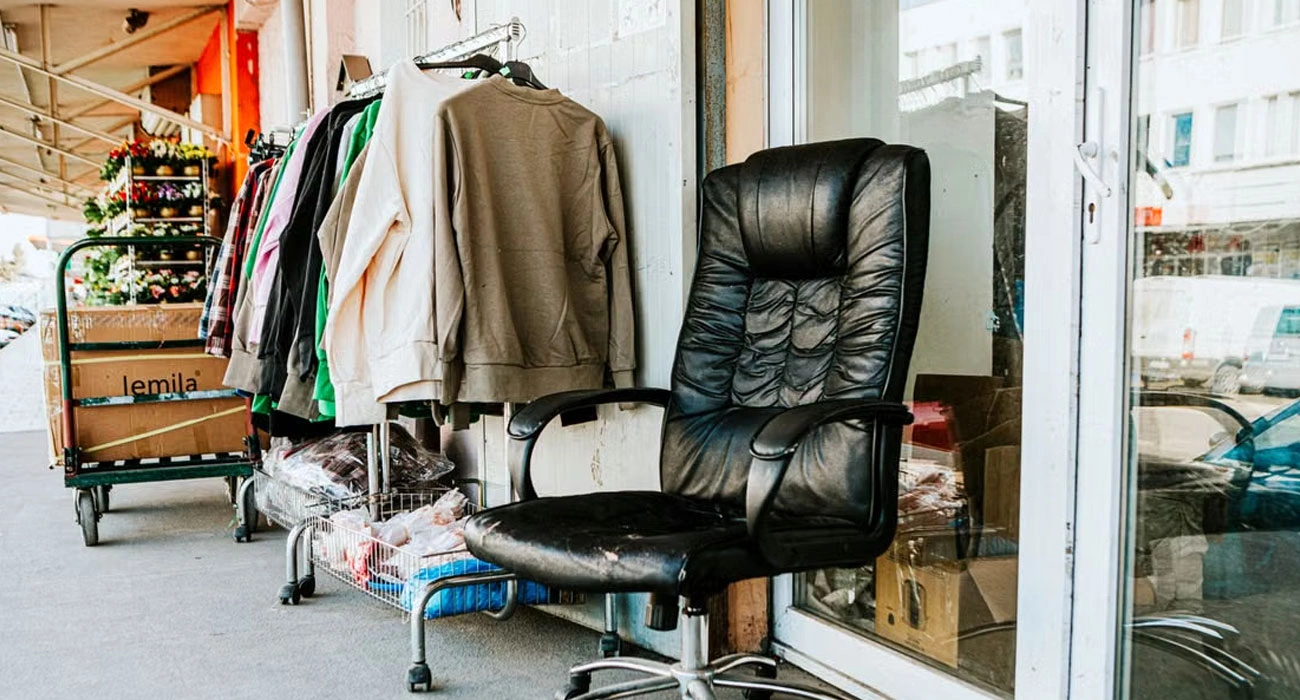
Exploring the transformation of waste into economic value through innovation.
The Problem With the Traditional Linear Economy
The traditional linear economy operates on a straightforward model: extract resources, manufacture products, and ultimately dispose of them. This system has led to significant environmental challenges, including resource depletion and increased waste generation. As populations grow and consumption rises, the strain on natural resources becomes untenable. This linear approach not only harms the environment but also limits economic potential. The need for a shift is clear, as businesses and consumers alike begin to recognize the unsustainability of this outdated model.
In response to these challenges, a new paradigm is emerging—one that emphasizes the value of resources throughout their entire lifecycle. Circular innovation seeks to redefine how we view waste, transforming it from a discarded byproduct into a valuable resource. By rethinking production and consumption, companies can unlock new avenues for growth while also contributing to environmental sustainability.
Why Waste Is Becoming a Business Opportunity
As awareness of environmental issues grows, businesses are beginning to see waste not just as refuse, but as an opportunity. Circular economy principles encourage companies to redesign their processes to minimize waste and maximize resource efficiency. This shift is particularly prominent in industries such as food, electronics, and fashion, where innovative practices are emerging to reclaim and repurpose materials that would otherwise be discarded.
The financial implications of this transformation are significant. By adopting circular business models, companies can reduce costs associated with raw material procurement and waste disposal. Furthermore, consumers are increasingly drawn to brands that demonstrate environmental responsibility, creating a competitive advantage for companies committed to sustainable practices. As a result, waste is becoming a catalyst for innovation and a key driver of business growth.
Turning Food Waste Into New Materials
One of the most promising areas of circular innovation is the transformation of food waste into new materials. Companies are developing innovative processes to convert organic waste into bioplastics, textiles, and even biofuels. For instance, some startups are utilizing fruit peels and vegetable scraps to create biodegradable packaging solutions that not only reduce landfill contributions but also offer a sustainable alternative to traditional plastics.
This approach not only helps alleviate the growing problem of food waste but also encourages a more sustainable model of production. By leveraging technology and creativity, businesses can turn what was once considered refuse into valuable resources, showcasing the potential for innovation in the circular economy.
Electronics, Fashion and the Circular Economy
The electronics and fashion industries are also embracing circular economy principles. In electronics, companies are developing take-back programs and modular designs that allow for easier recycling and refurbishing of products. This not only extends the life of electronics but reduces the need for new raw materials. Similarly, fashion brands are exploring sustainable materials and circular design practices to minimize waste and promote recycling.
By integrating circularity into their business models, these industries can significantly reduce their environmental impact while also tapping into new consumer markets. As sustainability becomes a key factor in purchasing decisions, companies that prioritize circular practices will likely find themselves at the forefront of their respective markets.
The most innovative companies of the future may not be those that consume more resources, but those that learn how to create more value from the resources already available.— Anonymous
Facts & Insights
- Circular business models aim to keep materials in productive use for longer.
- Technology is enabling companies to recover and reuse resources that were previously discarded.
- Industries from fashion to electronics are experimenting with new circular production models.
100%
Circularity Goal
4+
Major Industries Transforming
1
Global Economic Shift
∞
Potential Resource Cycles
Categories
Tagged in this story
Image sources
Pexels - Photo by Helena Jankovičová Kováčová