
Geoffrey Bawa: The Sri Lankan Architect Who Made Nature Part of Modernism
Written by Admin • 2026-10-01 01:17:00
Topics
Geoffrey Bawa's architectural legacy blends modernism with Sri Lankan culture, making landscape an integral part of design. His work, showcased in the 2026 Vitra Design Museum exhibition, continues to influence contemporary architecture through its emphasis on sustainability and cultural identity.
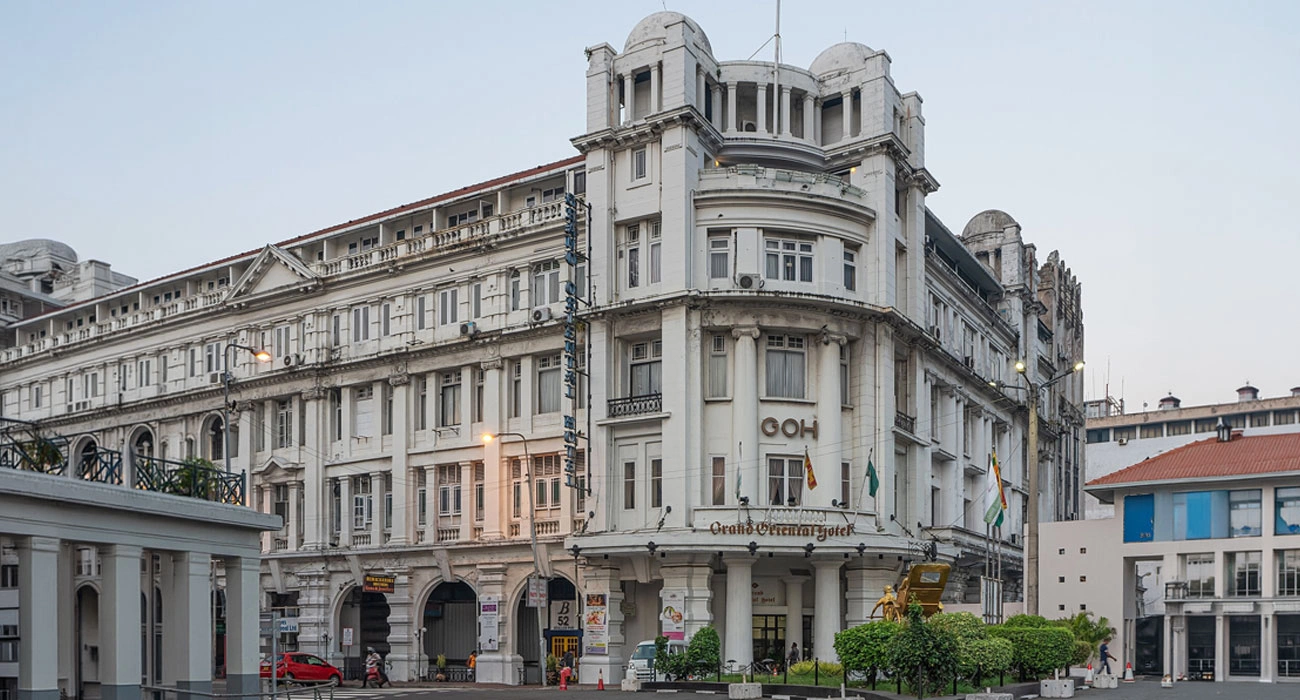
Geoffrey Bawa: The Sri Lankan Architect Who Made Nature Part of Modernism
Exploring the Legacy of a Pioneer in Tropical Modernism
A Different Kind of Modernism
Long before sustainability became a dominant vocabulary in architecture, Geoffrey Bawa was designing buildings around a different principle: architecture should belong to its landscape. His innovative approach to design integrated the natural environment with built forms, blurring the boundaries between the two. Bawa’s philosophy was not merely about aesthetics; it was about creating a harmonious relationship between the structure and its surroundings, allowing nature to inform and shape the architectural experience.
Bawa became internationally recognized for combining modernist ideas with local materials and craftsmanship, all while respecting the tropical environments of Sri Lanka. By incorporating gardens and local traditions into his designs, he elevated the architectural experience beyond the confines of traditional modernism, showcasing the unique characteristics of the Sri Lankan landscape. His work remains a testament to how architecture can be both modern and deeply connected to its cultural roots.
When Landscape Becomes Architecture
Geoffrey Bawa’s work exemplified the idea that landscape should not just be an external backdrop to a building but an integral part of the architectural experience. He designed spaces that engaged with their environment, allowing nature to play a pivotal role in shaping the user’s experience. This philosophy is evident in many of his projects, where the landscape is seamlessly woven into the architecture, creating a dialogue between the built and natural worlds.
His most famous projects, like the Kandalama Hotel, illustrate this principle beautifully. The hotel, designed to blend into the surrounding landscape, features open spaces that invite nature inside. This approach not only enhances the aesthetic value but also promotes sustainability, as the buildings are designed to utilize natural light and ventilation, reducing energy consumption. Bawa’s legacy challenges contemporary architects to reconsider their relationship with the environment.
The Kandalama Lesson
The Kandalama Hotel serves as a case study in Geoffrey Bawa's architectural philosophy. Nestled within Sri Lanka's lush landscape, the hotel exemplifies how thoughtful design can minimize environmental impact while maximizing aesthetic value. Bawa’s intent was to create a structure that would harmonize with its surroundings rather than dominate them. This ethos contributes to the broader conversation about sustainable architecture, where reducing the ecological footprint is as crucial as the design itself.
The hotel’s layout incorporates natural contours and materials, demonstrating Bawa's commitment to ensuring that architecture complements its environment. It serves as a reminder that modernism need not disregard local context and tradition. Instead, Bawa’s work illustrates how contemporary architecture can thrive while celebrating cultural heritage and environmental sensitivity.
Architecture That Belongs to Its Place
Geoffrey Bawa's legacy offers an alternative way of thinking about architectural progress. Rather than separating modernity from tradition or buildings from nature, his work demonstrated how these elements could coexist within a single architectural language. His influence continues precisely because the questions he explored remain relevant: how should buildings respond to climate, culture, and landscape, and how can architecture create a stronger relationship between people and place?
As his work receives renewed international attention in 2026, Bawa's legacy becomes more than an architectural history lesson. It becomes part of the continuing conversation about how humanity builds, inhabits, and remembers places. Bawa's approach to architecture emphasizes the importance of context, inviting future generations of architects to pursue designs that respect and enhance their environments.
Architecture for the Senses— Exhibition title, Vitra Design Museum, 2026
Facts & Insights
- Geoffrey Bawa (1919–2003) was a pioneering Sri Lankan architect whose work combined modernist architecture with local traditions and natural environments.
- His work included the environmentally sensitive Kandalama Hotel, which has become an important example of his relationship between architecture and landscape.
- The Vitra Design Museum's 2026 exhibition explores Bawa's residences, cultural context, collaborations with artists and craftspeople, and wider architectural philosophy.
1919–2003
Life
4
Exhibition Themes
1
Architectural Legacy
1
Global Influence
Categories
Tagged in this story
Image sources
By A.Savin - Own work, FAL, https://commons.wikimedia.org/w/index.php?curid=87209164