
Girls Who Play Change the Game: Why Sport Is Becoming a Leadership Pipeline
Written by Admin • 2026-09-09 01:12:00
New research suggests that the skills developed through childhood participation in sports can influence women's leadership, confidence, career advancement, and workplace skills later in life. This article explores how girls who play sports are not only developing athletic abilities but also essential leadership qualities.
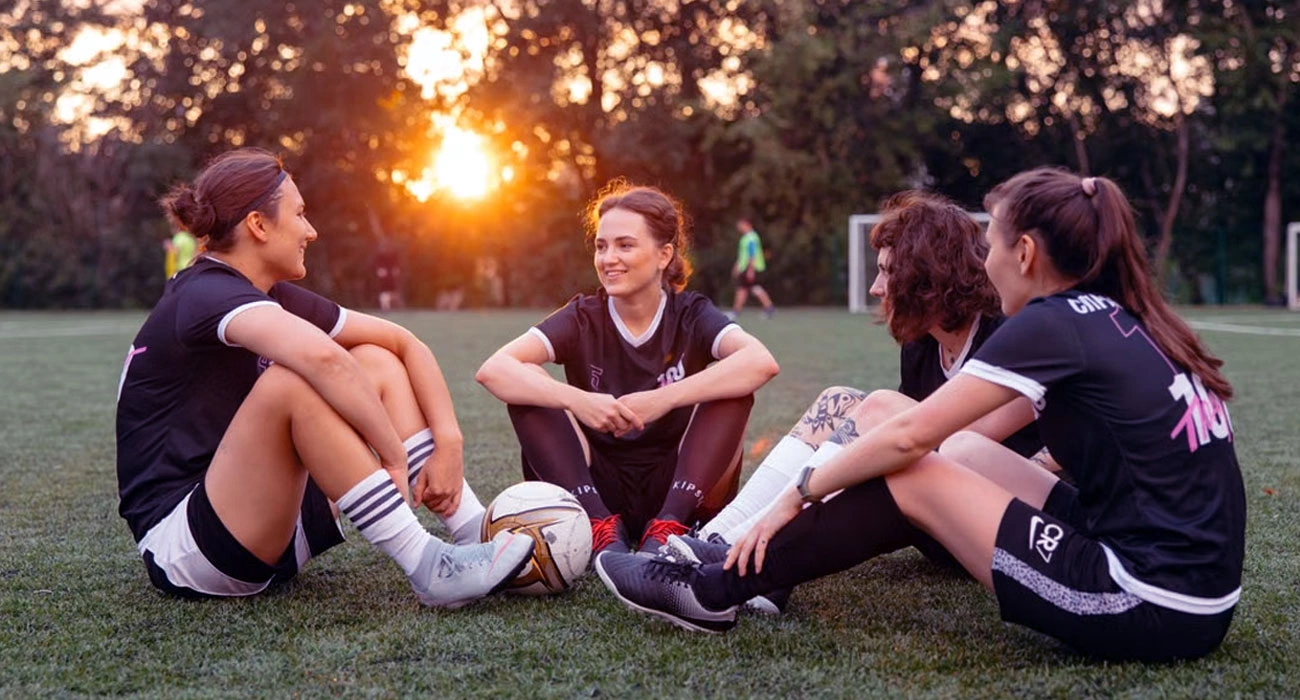
Girls Who Play Change the Game
Why Sport Is Becoming a Leadership Pipeline
The value of sport may extend much further than the scoreboard. A new international study suggests that girls who participate in sport can carry lessons from the playing field into their professional lives years later—from teamwork and resilience to confidence and negotiation. The findings position youth sport not simply as a matter of health or recreation, but as a potential long-term investment in leadership. The more interesting question is therefore not how many girls become professional athletes, but how many become stronger professionals because they once learned how to compete.
The Skills That Stay After the Game
Participating in sports as a girl offers essential skills that often carry into adulthood. Attributes like teamwork, resilience, and discipline are not just useful on the field; they are invaluable in the workplace. As young girls learn to work collaboratively, face challenges, and deal with victories and losses, they develop a robust skill set that prepares them for future leadership roles. This progression highlights that the impact of youth sports goes beyond physical fitness, forming a foundation for professional success.
The recent study indicates that women classified as 'Everyday Athletes'—those who regularly participated in sports during their youth—are nearly 50% more likely to hold leadership positions later in life. This correlation suggests that the experiences gained in sports foster qualities that are crucial in leadership contexts, such as decision-making, strategic thinking, and effective communication.
From Teamwork to Leadership
Team sports inherently require collaboration and the ability to work towards a common goal. These experiences hone leadership skills as girls learn to motivate teammates, navigate group dynamics, and handle conflicts. The lessons learned in these environments translate seamlessly into professional settings, where teamwork and leadership are equally critical. As such, girls who engage in sports often find themselves better equipped to tackle workplace challenges and assume leadership roles sooner in their careers.
The transition from player to leader is often marked by a unique understanding of both individual contributions and collective efforts. Sports instill a sense of responsibility and accountability, as success is rarely achieved alone. This understanding is vital in the workplace, where collaboration and shared success are key components of effective leadership.
Confidence, Negotiation and Career Advancement
Confidence is a cornerstone of effective leadership, and sports participation plays a significant role in building this trait. Girls who participate in sports often learn how to advocate for themselves, negotiate roles within teams, and handle competitive situations. This heightened self-assurance can greatly influence their career advancement as they are more likely to seek promotions and leadership opportunities. According to the study, nearly 90% of women who have been promoted attribute their advancement to skills learned in sports.
Moreover, the negotiation skills developed through sports can enhance a woman's ability to navigate professional environments. Whether negotiating salaries or managing team dynamics, the strategies acquired on the field can be invaluable in a corporate setting. This leads to not only personal advancement but also to fostering a more equitable workplace culture.
Why Participation Matters More Than Professional Success
The importance of sports participation transcends the goal of producing professional athletes. The study indicates that the benefits of engaging in sports are most significant for girls regardless of whether they pursue athletics professionally. The skills and experiences gained through youth sports create a robust foundation for future challenges in various life domains, including education and career.
This perspective encourages a broader view of sports participation as a vital investment in the future of women leaders. By expanding access to sports for girls, society can cultivate a generation of confident, capable women who are prepared to take on leadership roles across various sectors.
Facts & Insights
- The 2026 study surveyed more than 9,500 respondents across the United States, Canada, Germany and the United Kingdom.
- Women classified as “Everyday Athletes” were nearly 50% more likely to hold leadership roles than women who played little or no sport.
- The study included 9,056 working women, 328 professional women athletes and 114 board members, supplemented by 21 qualitative interviews.
9,500+
Respondents
50%
Higher Leadership Likelihood
90%
Promoted Participants
98%
Pro Athletes Reporting Benefits
Nearly 90% of Everyday Athletes who have been promoted say a skill learned through sports helped them move up.— e.l.f. Beauty and Parity research report
The most valuable outcome of youth sport may never appear on a scoreboard. It can surface years later in the confidence to speak up, the resilience to recover from failure, the discipline to work with others, and the courage to pursue greater responsibility. The 2026 research should not be interpreted as proof that sport automatically creates leaders—the researchers themselves describe the findings as correlational—but it adds meaningful evidence to a broader conversation about why access to sport matters. When girls are given the opportunity to compete, collaborate, and challenge themselves, the benefits may travel far beyond the field and into the institutions, companies, and communities they eventually lead.
Categories
Tagged in this story
Image sources
Pexels - Photo by Anastasia Shuraeva