
Healthy Soil Is a Food Security Strategy, Not Just an Environmental Goal
Written by Admin • 2026-10-29 00:58:00
Topics
Soil health is a critical factor in food security, influencing agricultural productivity and environmental resilience. The FAO’s 2026 report emphasizes the urgent need for sustainable soil management practices to combat soil degradation and ensure food availability globally.
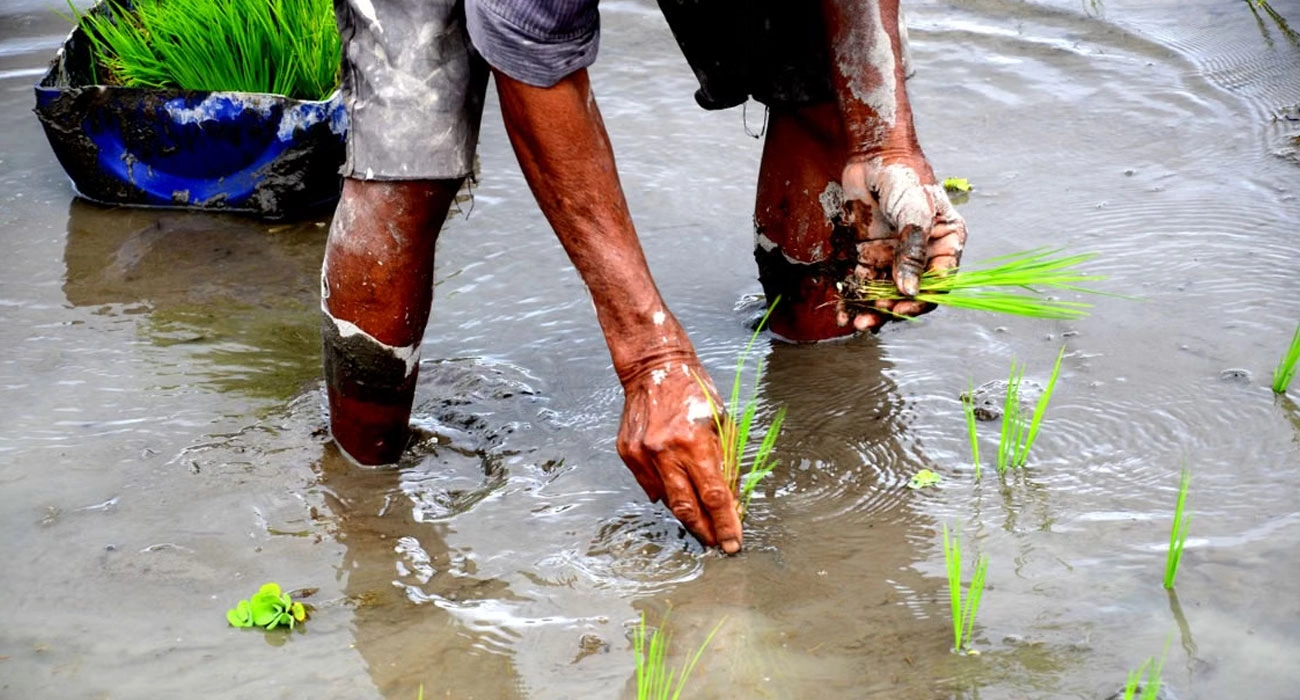
Healthy Soil Is a Food Security Strategy
Understanding the Vital Role of Soil Health in Sustainable Agriculture
The Foundation Beneath the Food System
Soil is often treated as a passive surface on which crops grow. In reality, it is a living system that supports plant growth, stores and filters water, sustains biodiversity, and influences the movement of nutrients through agricultural landscapes. Healthy soil is crucial for food production, yet many proven practices to protect it are not being adopted quickly enough. When soil becomes degraded, farmers face lower productivity, greater erosion, reduced water retention, and increasing pressure to maintain yields. These impacts extend beyond the field, affecting household income, food availability, and the resilience of agricultural supply chains.
The FAO’s 2026 global assessment underscores the urgency of addressing soil health. The report reveals that soil degradation continues to worsen in many regions, with a notable 58% of regional assessments indicating deteriorating trends since 2015. Despite established methods for protecting and restoring soils, their adoption is lagging, highlighting the need for better knowledge, resources, and incentives for farmers.
Why Soil Degradation Matters for Food Security
FAO reports that soils produce more than 95% of the food consumed globally. The condition of soil directly impacts how crops access nutrients and water, while erosion can remove productive topsoil and contribute to sedimentation in waterways. Nutrient depletion and excessive nutrient inputs are two pressing challenges faced by different regions. These issues necessitate tailored soil management strategies that consider local conditions, available resources, and crop choices. Protecting soil is not merely an environmental goal; it is essential for managing agricultural risk and enhancing food security.
Healthy soil contributes to maintaining ecological functions that support agricultural production. Although good soil management cannot eliminate risks like droughts or market volatility, it can help mitigate their impacts. By adopting sustainable practices, farmers can ensure that their soil remains productive, thus supporting their livelihoods and the wider food system.
We have much better evidence today about the pressures facing the world’s soils — and about the practices that can protect and restore them.— Beth Bechdol, FAO Deputy Director-General
Facts & Insights
- Food systems: FAO reports that soils produce more than 95% of the food people eat.
- Deteriorating trends: 58% of the regional and subregional assessments reviewed reported worsening soil conditions since 2015.
- Uneven adoption: More than half of the assessments reviewed showed low or very low adoption of sustainable soil-management practices.
2026
Year of the latest FAO global soil assessment.
95%+
Share of food production attributed to soils in FAO’s report.
58%
Assessments reporting a deteriorating trend since 2015.
10%
Approximate share of assessments reporting improvement.
Categories
Tagged in this story
Image sources
Pexels - Photo by Danang DKW