
Herlambang Bayu Aji: Wayang Rajakaya Meets Climate Storytelling
Written by Admin • 2026-09-25 02:06:00
Topics
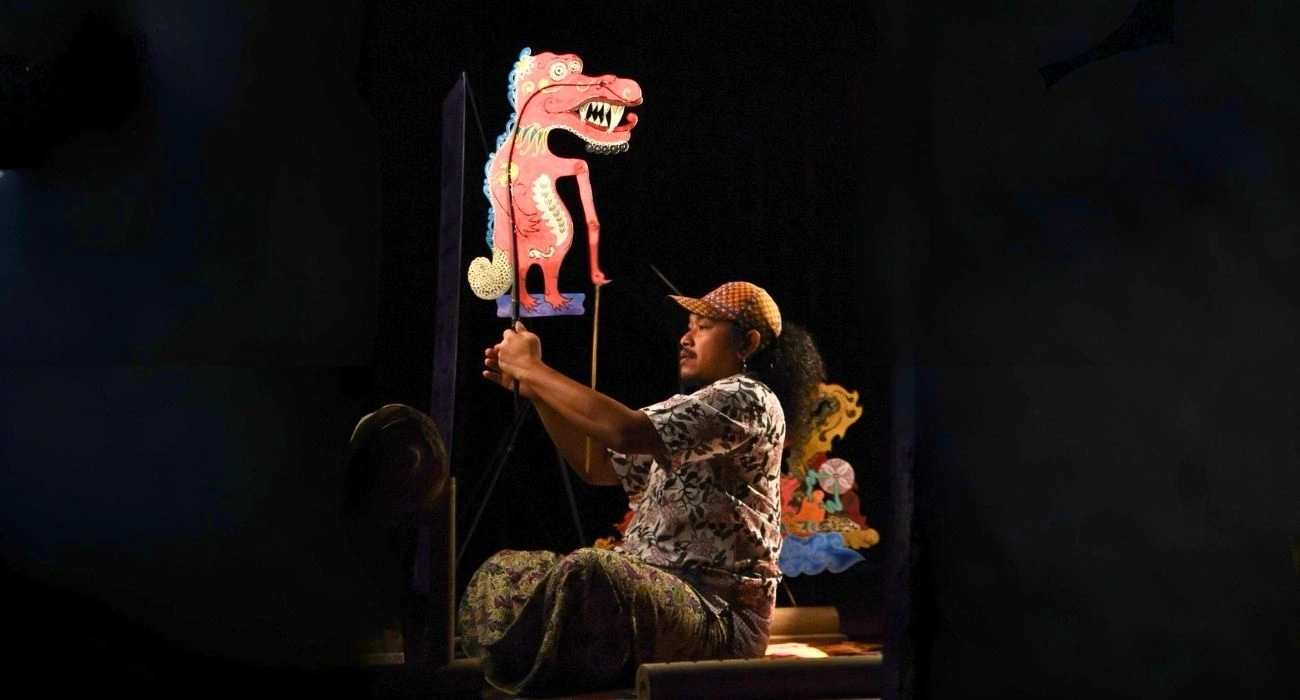
Herlambang Bayu Aji is redefining shadow puppetry through his innovative approach, merging Indonesian cultural heritage with contemporary environmental storytelling. Currently participating in a residency in Bengaluru, he explores local traditions while addressing pressing issues like climate change and biodiversity.
Herlambang Bayu Aji: Shadow Puppetry Meets Climate Storytelling
Exploring the Intersection of Art, Environment, and Cultural Exchange
An Artist's Journey through Cultural Exchange
Long before Bengaluru became part of his artistic journey, Herlambang Bayu Aji had already built his career around cultural exchange.
Born in Surakarta, Indonesia, Bayu studied fine art at Universitas Sebelas Maret and began developing his own form of contemporary shadow puppetry while he was still a student. His artistic journey eventually took him beyond Indonesia, including collaborations, workshops, exhibitions, and cultural programmes involving artists and institutions in Germany and other parts of Europe. He has lived in Berlin since 2010.
That international experience is important to understanding his work. For Bayu, travelling between cultures is not simply about presenting Indonesian art to foreign audiences. It is also about allowing new environments to influence the way he thinks and creates. His practice therefore exists somewhere between heritage and experimentation.
Wayang provides the foundation. Contemporary art provides the space to question it. And cultural exchange provides the opportunity to see familiar traditions from a different perspective. This approach has allowed Wayang Rajakaya to move beyond the boundaries of a conventional performance. It can become a workshop, a visual artwork, a social commentary, a children's story, or a platform for conversations about issues affecting communities and the environment.
The Birth of Wayang Rajakaya
The story of Wayang Rajakaya began around 2005, when Bayu was developing his artistic practice in Indonesia. Rather than reproducing the characters and narratives of traditional wayang kulit, he began experimenting with animal characters and a different visual language. His work eventually developed into a contemporary shadow-puppet form known as Wayang Rajakaya.
The name itself comes from an old Javanese term associated with four-legged domestic animals or livestock. That connection to animals became central to Bayu's visual universe. Instead of relying primarily on the familiar human and mythological figures associated with classical wayang, his characters include animals that can behave, speak, argue, cooperate, and struggle much like people do.
This seemingly simple change creates an important storytelling possibility. Animals can become mirrors. A cow can represent power. A monkey can represent curiosity. A frog can represent vulnerability. A predator can become a metaphor for authority or exploitation.
The result is a form of visual storytelling that can approach complicated social issues without making them inaccessible. Bayu has created more than 100 contemporary puppets using materials including paper, leather, bamboo, and buffalo horn. Through puppetry, visual art, workshops, and other forms of experimentation, Bayu continues to expand how shadow storytelling can be experienced and interpreted.
Why Animals Become Powerful Storytellers
One of the most distinctive elements of Wayang Rajakaya is its use of animals. Rather than simply recreating traditional wayang characters, Bayu uses animals to explore human behaviour, social relationships, and the world around us. This approach allows his stories to work on several levels at once. Children can connect with the characters and visual performance, while older audiences can recognise the social, political, and environmental questions underneath the story.
Animals can also make difficult subjects easier to approach. A story about deforestation, biodiversity, or human responsibility can become more immediate when audiences see those issues through the experience of an animal losing its habitat or confronting a changing environment.
That balance is central to Bayu’s contemporary storytelling. His work shows that a story does not become less serious because it uses humour, colour, music, or puppets. Sometimes, these elements are precisely what allow complex ideas to reach a wider audience.
When Environmental Issues Enter the Shadow Screen
Bayu's work has repeatedly explored social and environmental questions through the language of fable. In one of his performances, for example, animal characters have been used to tell stories about forest destruction and the expansion of palm-oil plantations in Kalimantan. The environmental consequences are represented through the lives of animals whose habitats are disappearing.
The approach turns an abstract environmental problem into something personal. Instead of talking only about deforestation as a statistic, the audience sees a character losing its home. Instead of discussing biodiversity as a scientific concept, the audience encounters animals whose lives have been disrupted.
That is where environmental storytelling becomes particularly powerful. Art can translate complex issues into emotional experiences. It can create empathy before asking audiences to understand data. For Bayu, the shadow screen becomes more than a stage. It becomes a space where social and environmental realities can be reimagined.
From Java to Berlin: A Wider Artistic Language
Bayu's development as an artist has also been shaped by his life in Germany. After moving to Berlin in 2010, he continued developing Wayang Rajakaya while participating in exhibitions, performances, workshops, and cultural collaborations. His work has appeared in a range of international contexts, including performances and presentations connected with institutions and cultural events in Germany, the Netherlands, Hungary, the United Kingdom, and Indonesia.
One of the most interesting aspects of this international journey is that Bayu's work does not abandon its Indonesian roots in order to become global. Instead, the Indonesian tradition becomes the starting point for conversation. His puppets retain connections to the visual and performative language of wayang, while the stories can respond to contemporary political, environmental, and social realities. This creates a form of cultural mobility: heritage that travels without losing its identity.
As Bayu's practice has travelled beyond Indonesia, this ability to communicate across audiences has become an important part of his artistic language. His work carries the visual and storytelling traditions of Indonesia into new cultural environments, where familiar ideas can be reinterpreted through different perspectives. That journey from Java to Berlin now leads to another encounter in Bengaluru, where his practice meets a different tradition of shadow puppetry.
Bengaluru: When Two Shadow-Puppet Traditions Meet
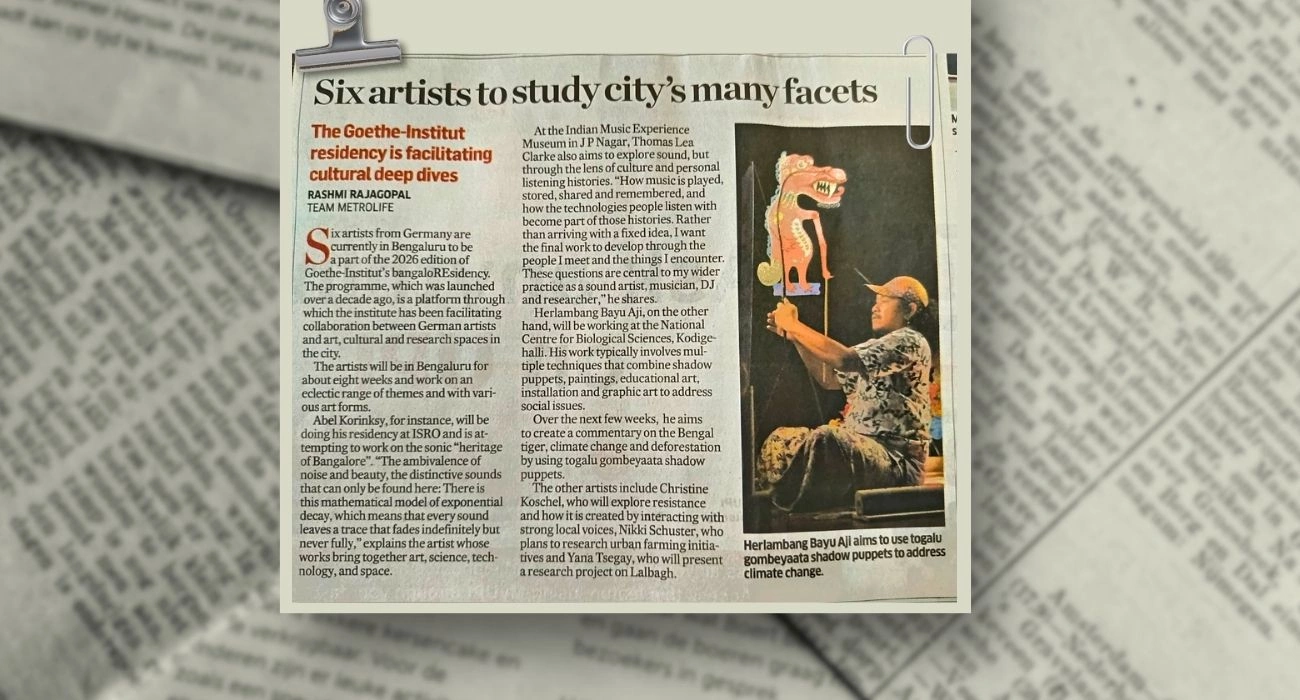
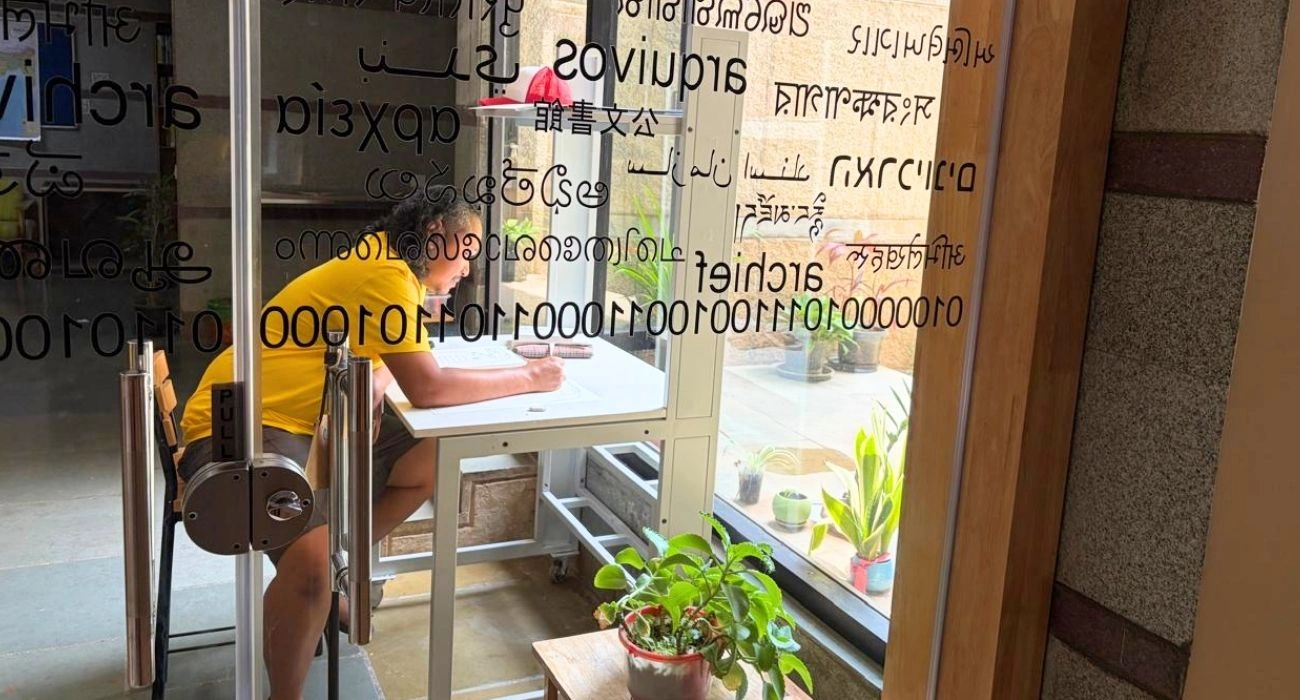
In 2026, Bayu's artistic journey brought him to Bengaluru as part of the Goethe-Institut/Max Mueller Bhavan residency programme. The programme brings artists into the city to meet local communities, explore artistic practices, and develop work through cultural exchange. Bayu is being hosted by the National Centre for Biological Sciences (NCBS).
His focus is particularly interesting because Bengaluru has its own rich shadow-puppetry tradition: Togalu Gombeyaata. Rather than arriving with a predetermined project, Bayu is using the residency as an opportunity to observe, learn, and respond to what he encounters. That makes the project more than an international art presentation.
It becomes a meeting between two traditions. On one side is the Indonesian world of Wayang Rajakaya. On the other is Karnataka's Togalu Gombeyaata. Both use shadow, light, movement, storytelling, and handmade figures. Yet each comes from its own cultural history and artistic vocabulary.
The encounter creates an opportunity to ask a bigger question: What happens when two different traditions of shadow storytelling begin to speak to each other?
Over the next few weeks, he aims to create a commentary on the Bengal tiger, climate change, and deforestation by using Togalu Gombeyaata shadow puppets.— Herlambang Bayu Aji, as reported in coverage of the Bengaluru residency.
- Wayang Rajakaya began as an experiment in contemporary Indonesian shadow puppetry, eventually becoming one of the defining elements of Bayu’s artistic practice.
- Bayu works across painting, linocut, puppetry, video, installation, and music, allowing him to approach social and environmental subjects through different forms.
- Since moving to Berlin in 2010, Bayu has expanded his practice through international exhibitions, performances, workshops, and cultural collaborations.
When Heritage Becomes a Living Language
The broader significance of Herlambang Bayu Aji’s work lies in his interpretation of heritage. For him, tradition is not simply something to preserve, but something to keep in conversation with the present. His performances, workshops, and environmental storytelling demonstrate how a traditional medium can remain accessible to new generations while continuing to evolve through new subjects, audiences, and cultural encounters.
Traditional art is sometimes discussed as something that needs to be protected from change. Bayu’s practice suggests another possibility: heritage can remain alive precisely because it continues to evolve.
Wayang Rajakaya does not attempt to replace traditional wayang kulit. Instead, it expands the possibilities of what shadow puppetry can communicate.
The visual language can change.
The characters can change.
The music can change.
The subjects can change.
But the fundamental power of storytelling remains.
This approach is particularly relevant in a world where cultural traditions increasingly cross borders. When an Indonesian artist in Berlin enters a creative residency in India and works with an Indian shadow-puppetry tradition, heritage becomes part of a living international conversation.
Heritage as a Living Language
Herlambang Bayu Aji's journey demonstrates that cultural heritage does not have to remain frozen in order to remain meaningful. Through Wayang Rajakaya, he has transformed the familiar language of shadow puppetry into a contemporary medium for exploring society, environment, identity, and human relationships. His work shows how a traditional art form can travel across borders while continuing to evolve.
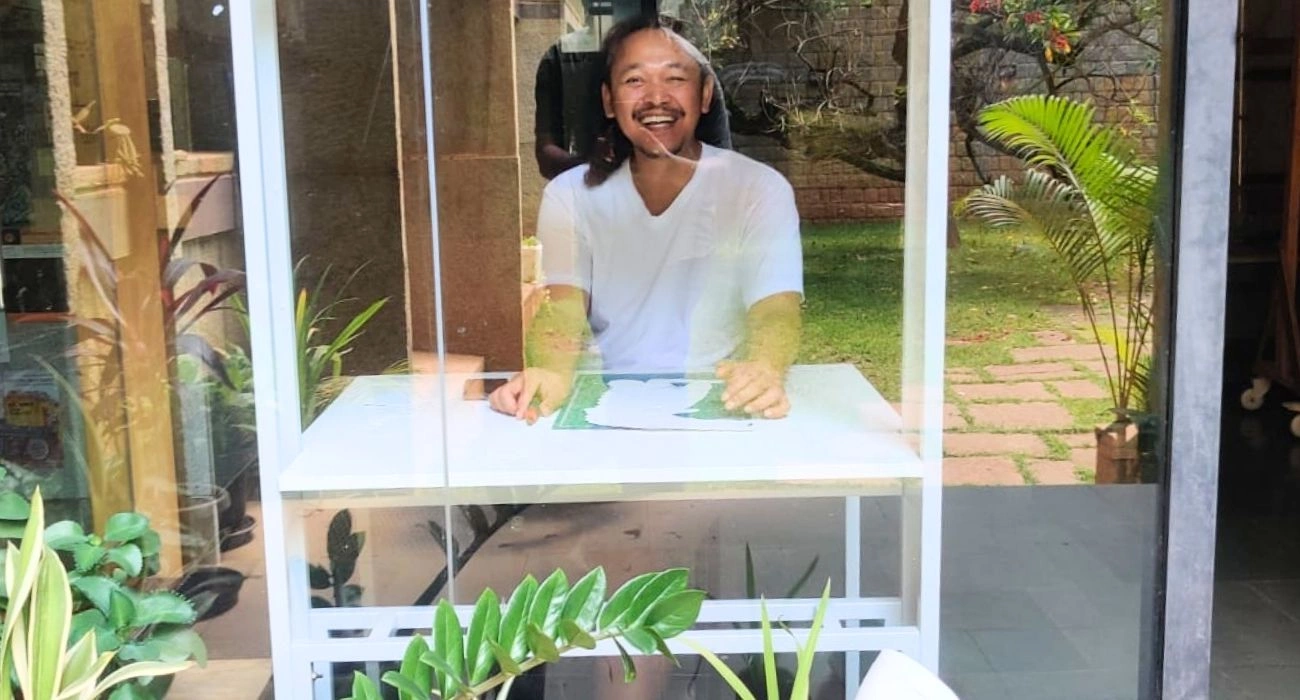
His 2026 residency in Bengaluru adds another chapter to that journey. By exploring Togalu Gombeyaata and developing new work around the Bengal tiger, climate change, and deforestation, Bayu is entering a creative dialogue between Indonesia and India; one shaped by curiosity rather than certainty. Perhaps that is where the future of cultural exchange lies.
Not in simply taking one culture somewhere else, but in allowing cultures to meet, question one another, and create something new together.
For artists like Herlambang Bayu Aji, the shadow screen is therefore more than a stage. It is a space where heritage meets imagination, where local stories can become global conversations, and where the past can help us tell better stories about the future.
Categories
Image sources