
How A Small Japanese Knife Maker Preserved Centuries of Craftsmanship for the Modern World
Written by Admin • 2026-08-11 01:51:00
Topics
This article explores how a small Japanese knife maker preserves centuries of craftsmanship in the modern world. By blending traditional techniques with contemporary demands, these artisans create products that reflect cultural heritage and authenticity.
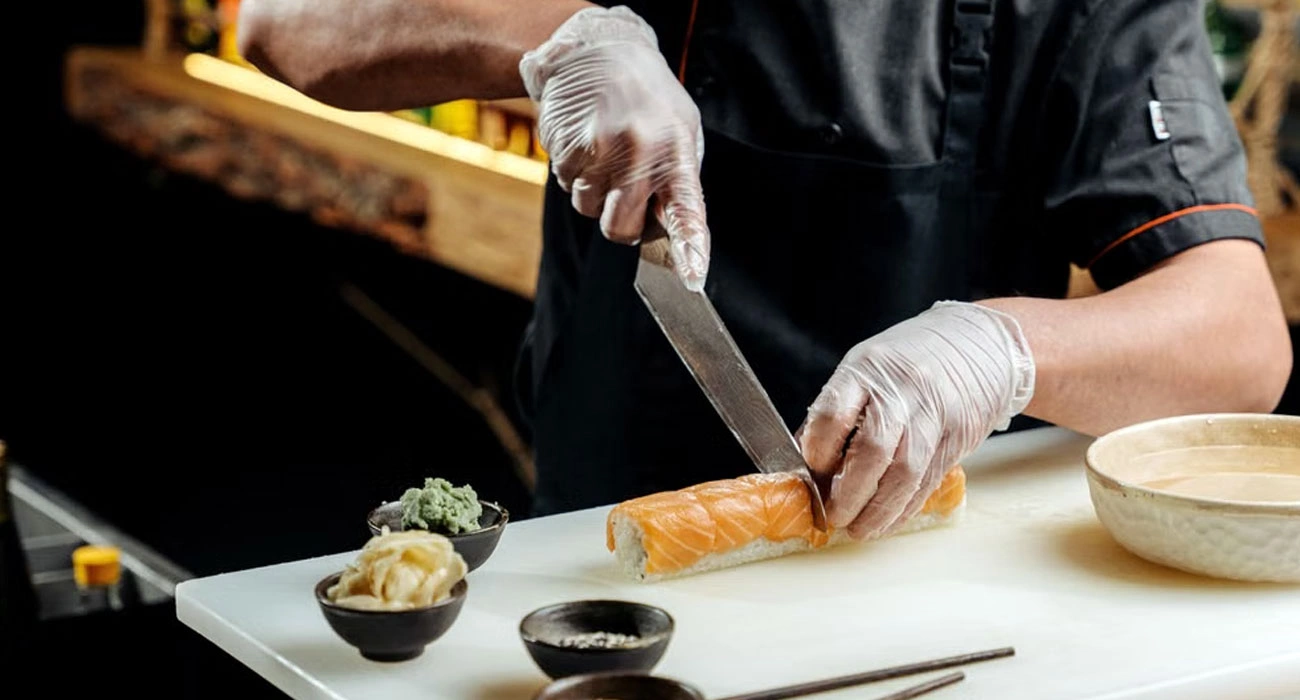
How A Small Japanese Knife Maker Preserved Centuries of Craftsmanship for the Modern World
Exploring the art and tradition behind Japanese knife craftsmanship
The Legacy of Japanese Knife Craftsmanship
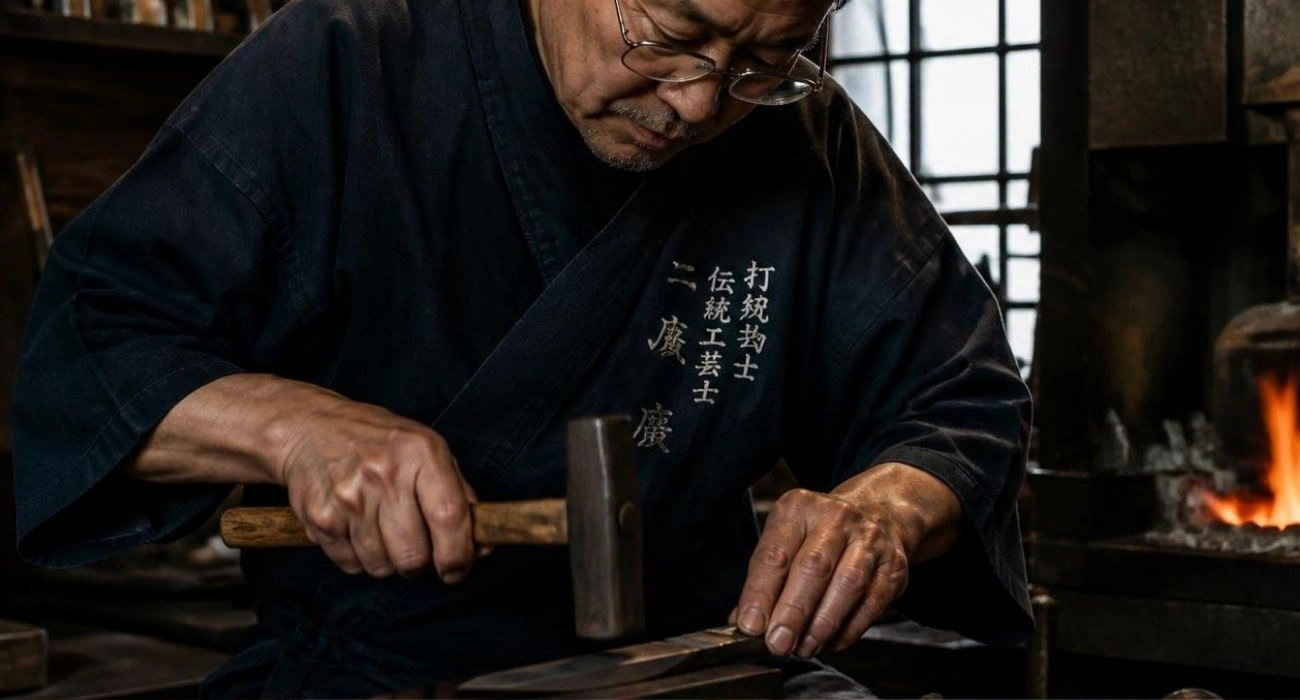
In an age dominated by mass production, traditional craftsmanship in Japan stands as a testament to the enduring value of precision and authenticity. Japanese knife makers have honed their skills over centuries, with techniques passed down through generations of artisans. Each knife is not merely a tool but a piece of art that embodies the spirit of its maker, reflecting a deep-rooted cultural heritage. The meticulous process of crafting these knives combines ancient techniques with modern innovation, ensuring that each blade meets the demands of contemporary users while preserving its historical significance.
The craftsmanship involved in creating Japanese knives is a reflection of a philosophy that values attention to detail and the pursuit of perfection. Each artisan dedicates years to mastering their craft, often starting their training at a young age. This long-term commitment to honing their skills results in knives that offer superior performance and durability. As the world becomes increasingly fascinated by handmade products, these artisans find themselves at the forefront of a resurgence in interest for traditional craftsmanship.
Adapting Tradition for Modern Demands
While rooted in tradition, Japanese knife makers are not afraid to adapt their techniques to meet modern consumer demands. As global interest in culinary arts grows, the need for high-quality, handcrafted knives has surged. Artisans are integrating modern materials and technologies into their production processes, allowing them to create knives that not only hold true to their heritage but also appeal to a wider audience. This adaptability is crucial for survival in today’s competitive marketplace, enabling craftsmen to reach consumers who appreciate both quality and authenticity.
The Kai Corporation, a prominent name in Japanese knife making, exemplifies this balance between tradition and innovation. By preserving the essence of traditional craftsmanship while embracing the demands of modernity, they have successfully created a brand that resonates with consumers seeking authenticity in their kitchen tools. This blend of old and new ensures that the craftsmanship behind Japanese knives is not only preserved but also celebrated in contemporary contexts.
Craftsmanship is not merely about making a product; it's about telling a story that connects us to our heritage.— Japanese Artisan
Facts & Insights
- Japanese knife craftsmanship is built on generations of specialized techniques and attention to detail.
- Traditional artisans continue adapting their skills to meet modern global demand.
- Handmade craftsmanship preserves cultural knowledge while creating premium products.
The Future of Craftsmanship
As consumers increasingly seek products that are not only functional but also meaningful, the future of traditional craftsmanship appears bright. The dedication of Japanese artisans to their craft ensures that the intricate knowledge and skills developed over centuries will not be lost. The convergence of traditional craftsmanship with contemporary design and functionality creates an exciting future where these handmade products continue to thrive in a global market. It is a testament to the resilience of cultural heritage in an ever-changing world.
100+
Years of Craft Tradition
Multi
Generation of Artisan Knowledge
Global
Customer Reach
1
Precision Philosophy
Categories
Image sources
Pexels - Photo by Ivan S