
How IKEA Turned Swedish Design Philosophy Into a Global Business Legacy
Written by Admin • 2026-08-13 00:45:00
IKEA's journey from a small Swedish mail-order business to a global retail giant exemplifies the power of a strong brand philosophy rooted in affordability, functionality, and sustainability. Founded by Ingvar Kamprad, IKEA has reshaped modern living and continues to influence consumer behavior worldwide.
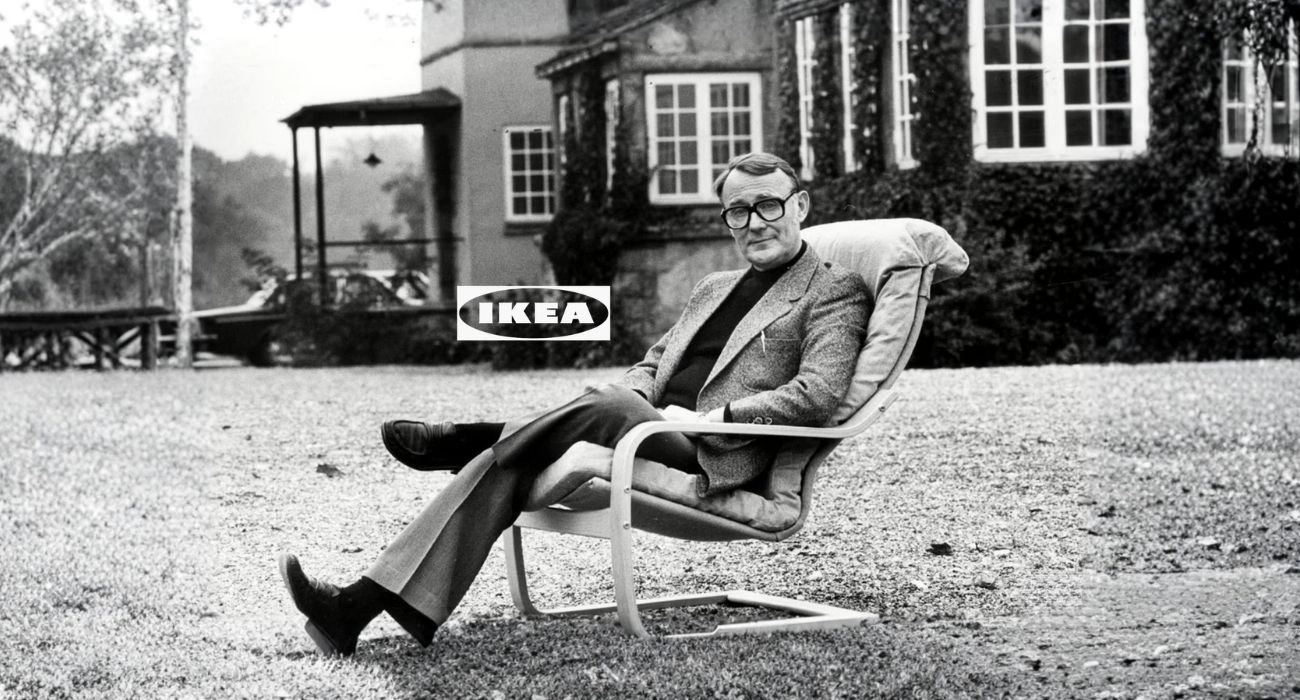
How IKEA Turned Swedish Design Philosophy Into a Global Business Legacy
Exploring the journey of IKEA, its founder Ingvar Kamprad, and the principles that shaped a global retail phenomenon.
The Vision of Ingvar Kamprad
IKEA began in 1943 as a small mail-order business founded by Ingvar Kamprad in Sweden. Kamprad's vision was clear: to provide affordable, functional furniture that could be accessible to everyone. This ethos was rooted in the Swedish design philosophy, which values simplicity, functionality, and sustainability. From its humble beginnings, IKEA's dedication to quality and affordability has transformed it into a leader in the global retail landscape.
What sets IKEA apart is its commitment to making design democratic. Kamprad believed that great design should not be limited to the affluent but should be available to everyone. This philosophy laid the groundwork for IKEA's global impact, allowing it to tap into diverse markets while resonating with consumers' desire for practical and stylish home solutions.
Global Retail Innovation
IKEA's business model exemplifies innovation in retail. The combination of Scandinavian design principles with efficient retail systems allowed the company to scale rapidly. By implementing flat-pack furniture and self-service warehouses, IKEA revolutionized the shopping experience, making it not only convenient but also cost-effective. This innovative approach attracted millions of customers worldwide, enabling IKEA to establish itself as a household name.
As global consumers increasingly prioritize affordability and sustainability, IKEA's core values have only grown more relevant. The company has embraced sustainable practices, such as responsible sourcing and reducing its carbon footprint, which resonate strongly with today's environmentally conscious shoppers. By aligning its brand philosophy with consumer values, IKEA has created a competitive advantage that continues to drive its success in international markets.
Great design becomes powerful when it improves everyday life for millions of people.
Facts & Insights
- IKEA was founded by Ingvar Kamprad in Sweden and developed around the idea of creating affordable, functional furniture.
- The company became globally recognized by combining Scandinavian design principles with efficient retail systems.
- IKEA’s business model demonstrates how brand philosophy can become a competitive advantage in international markets.
A Lasting Legacy
IKEA's influence extends beyond just furniture; it has reshaped modern living by promoting ideas around sustainability, responsible consumption, and practical innovation. By making functional design accessible, IKEA has fostered a culture of creativity and self-expression in home decor. The brand's commitment to sustainability further elevates its legacy, ensuring that future generations can appreciate and benefit from its innovations.
1943
Year Founded
80+
Countries and Markets
100+
Billion Annual Brand Value Estimate
1
Global Design Philosophy

IKEA’s story represents how a simple idea can become a global movement when supported by strong values and consistent innovation. As part of the inspiring business journeys documented by BritishPEDIA, Ingvar Kamprad’s legacy demonstrates how entrepreneurship, design thinking, and social impact can create influence that extends far beyond commercial success.
Categories
Tagged in this story
Image sources
Canva