
How Japan Is Rethinking Longevity: From Living Longer to Living Better
Written by Admin • 2026-08-27 01:17:00
Japan is confronting a future many societies will eventually face: longer lives and older populations. Its response could offer lessons for the rest of the world, as it innovates in urban planning, technology, and work models to enhance the quality of life for its elderly citizens.
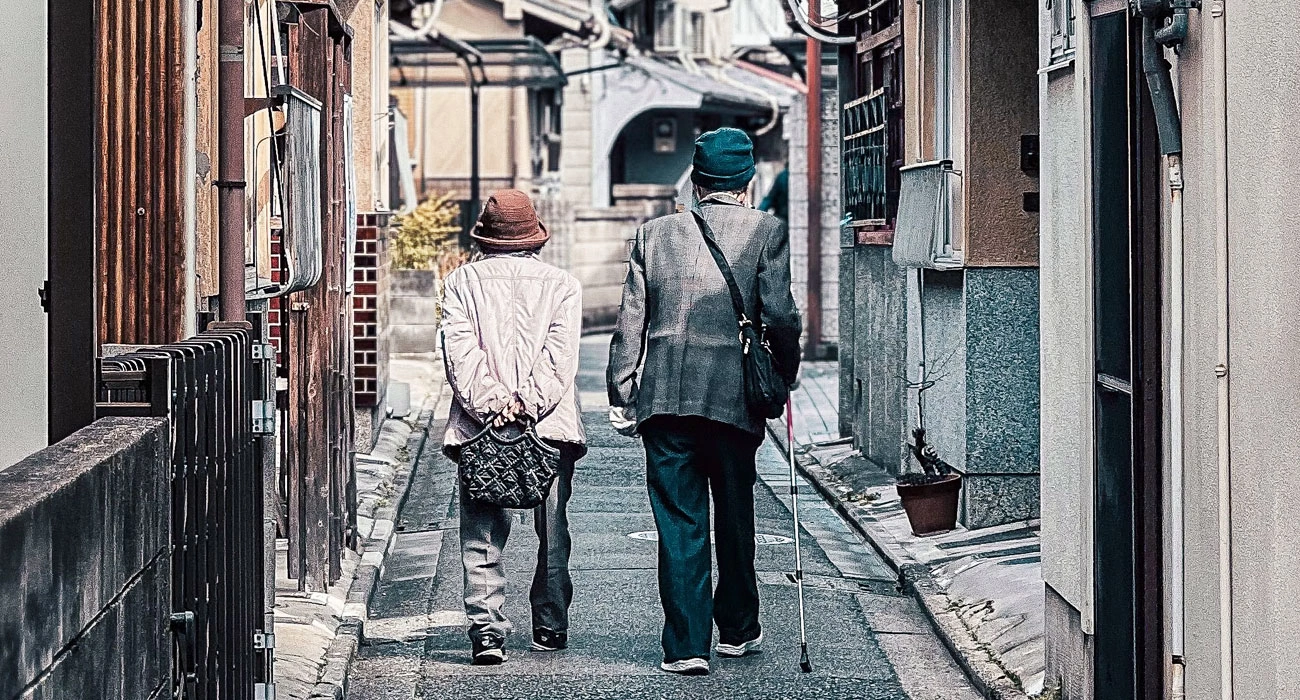
How Japan Is Rethinking Longevity
From Living Longer to Living Better
The Country Living the Longevity Question First
Japan has long been celebrated for its remarkable life expectancy, a feat attributed to a combination of diet, healthcare, and cultural practices. However, as the nation faces a demographic shift with a growing population of older adults, the conversation is evolving. It is no longer just about living longer but also about enhancing the quality of life for its elderly citizens. This transformation has prompted communities and leaders to investigate what it truly means to age well in a society that values connection and productivity.
Understanding Japan's demographic reality is crucial in navigating the future of aging. With nearly a third of its population over the age of 65, Japan is essentially a living laboratory for experimenting with innovative solutions aimed at improving the lives of its senior citizens. This demographic transformation is pushing policymakers, businesses, and designers to rethink how society organizes work, housing, and healthcare, ensuring that older adults can maintain their independence and dignity.
Designing Cities for Longer Lives
Urban planning in Japan is undergoing significant shifts to accommodate an aging populace. Cities are being designed with accessibility and mobility in mind, featuring wider sidewalks, public transportation tailored to seniors, and community centers that encourage social interaction. This rethinking of urban spaces is not just about physical design; it’s about creating environments that foster connection and engagement among residents of all ages.
Moreover, initiatives like 'age-friendly cities' are being implemented to support the health and well-being of older adults. These cities incorporate features such as parks, recreational facilities, and services that cater specifically to the needs of the elderly. By prioritizing inclusivity in urban planning, Japan is setting an example for other nations grappling with similar demographic challenges.
The New Meaning of Work After 60
In Japan, the traditional notions of retirement and work are evolving significantly. Many older adults are choosing to remain in the workforce, either out of necessity or a desire to stay engaged and active. This shift is prompting a re-evaluation of what work means in later life, with many companies adapting to accommodate older employees through flexible schedules, part-time roles, and opportunities for lifelong learning.
The new landscape of work emphasizes not just productivity, but also the value of experience and mentorship that older workers bring. By creating environments where older adults can contribute meaningfully, Japan is redefining the concept of career longevity and its impact on personal fulfillment and societal contribution.
Technology and the Ageing Society
Japan is leveraging technology to support its ageing society, exploring innovations such as robotics, smart home devices, and assistive technologies. These advancements aim to enhance independence for older adults, allowing them to live comfortably and safely in their own homes. For instance, robotic companions are being developed to provide companionship and assistance, while smart technology helps monitor health and safety.
The integration of technology into daily life not only supports the elderly but also alleviates some of the pressures on caregivers. By embracing these technological solutions, Japan is pioneering a new model of care that emphasizes both independence and connectivity, setting a precedent for other nations to follow.
Japan's greatest contribution to the longevity conversation may not be simply showing the world how to live longer, but challenging societies to rethink what a meaningful, connected and productive longer life can look like.— Expert on Aging and Longevity
Facts & Insights
65+
New Demographic Reality
1
Longevity Laboratory
3+
Innovation Frontiers
100+
Global Lessons
Categories
Tagged in this story
Image sources
Pexels - Photo by Boris Dahm