
Jeremy Moon: How New Zealand Wool Became a Global Performance Brand
Written by Admin • 2026-09-02 01:57:00
Jeremy Moon saw an opportunity in something nature had already perfected. His vision turned New Zealand merino wool into the foundation of a global performance-apparel brand.
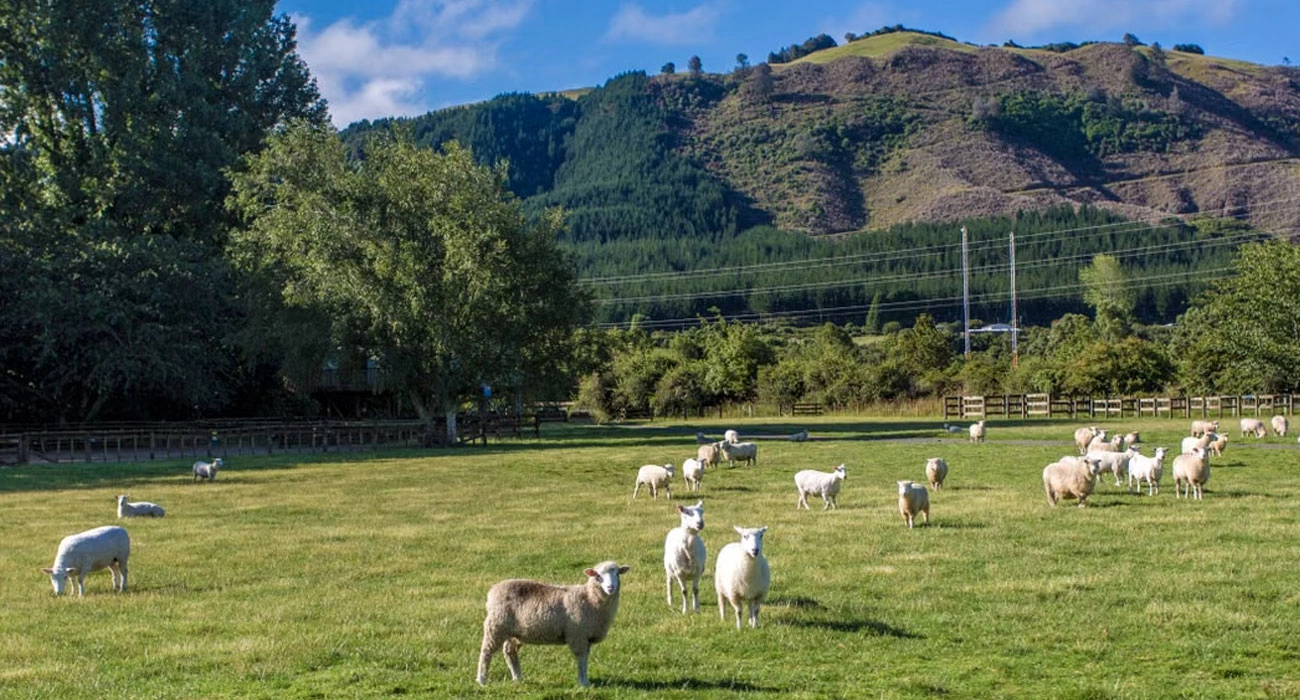
Jeremy Moon: How New Zealand Wool Became a Global Performance Brand
Discover how New Zealand entrepreneur Jeremy Moon founded icebreaker and transformed merino wool into a global natural-performance apparel category.
The Moment That Started With a Piece of Wool
In the 1990s, Jeremy Moon stumbled upon merino wool, a natural fiber that had largely been overlooked by the outdoor clothing industry. Recognizing its potential, he envisioned a brand that embraced the advantages of this material. Instead of competing against synthetic fibers, Moon sought to highlight the benefits of merino wool, which offered superior comfort, breathability, and performance. This pivotal moment marked the beginning of icebreaker, a company dedicated to showcasing nature's ability to produce high-performance fabrics.
Moon's innovative approach challenged the prevailing notion that performance apparel had to be made from synthetic materials. By building a brand around the inherent qualities of merino wool, he laid the foundation for a new category of outdoor apparel. His vision was not just about creating clothing; it was about rethinking how performance could be derived from natural resources.
Turning Nature Into a Business Proposition
The challenge of creating a new category in the competitive outdoor apparel market was significant. Moon needed to cultivate a reliable supply chain that could provide high-quality merino wool while also ensuring ethical treatment of animals and sustainable farming practices. To achieve this, he established long-term relationships with New Zealand merino growers, fostering a sense of community and trust. This collaboration not only ensured the quality of the wool but also supported local agricultural economies.
In 2010, icebreaker introduced its Growers Club, a program designed to strengthen these relationships through 10-year rolling contracts with farmers. This initiative emphasized transparency and traceability, allowing consumers to know where their clothing came from and how it was produced. By aligning the brand with the values of sustainability and responsible sourcing, Moon positioned icebreaker as a leader in the performance apparel category.
Why are we making outdoor gear from oil when nature already perfected the solution?— Jeremy Moon
From New Zealand Farm to Global Brand
As icebreaker grew, it transformed from a local startup into a global brand, now sold in over 50 countries and more than 5,000 stores worldwide. The company's success is a testament to Moon's vision of turning a local resource into an internationally recognized performance category. By emphasizing the unique properties of merino wool, icebreaker successfully differentiated itself in a crowded marketplace, appealing to consumers looking for sustainable and high-quality outdoor clothing.
Moon's commitment to performance without petrochemicals resonated with environmentally conscious consumers. The brand's philosophy of using natural materials and its dedication to animal welfare became central to its identity. Today, icebreaker stands as a symbol of innovation in the outdoor apparel industry, demonstrating that businesses can thrive while prioritizing ethical practices and sustainability.
Facts & Insights
- Jeremy Moon founded icebreaker in New Zealand in 1995, creating a new category around merino-based performance apparel.
- icebreaker developed long-term relationships with New Zealand merino growers and later introduced its Growers Club with 10-year rolling contracts.
- The brand has grown into an international business sold across approximately 50 countries and more than 5,000 stores.
1995
Founding Year
60+
NZ Merino Stations
50
Countries With Retail Presence
5,000+
Stores Worldwide
When Nature Becomes the Innovation
Jeremy Moon's story demonstrates that innovation does not always require creating something entirely new. Sometimes, it begins by recognizing the potential of something that already exists and finding a new way to communicate its value. By connecting New Zealand's merino heritage with performance, design, and responsible sourcing, Moon helped transform a traditional natural fiber into a global consumer category.
Three decades later, icebreaker's journey remains an example of how entrepreneurial vision can turn local resources into international enterprise without losing sight of where the story began. The legacy of icebreaker continues to inspire new generations of entrepreneurs to think about the role of nature in innovation.
Categories
Tagged in this story
Image sources
Pexels - Photo by 飞 谢