
Karim Shafei: Turning Downtown Cairo’s Heritage Into a Living Business District
Written by Admin • 2026-10-07 02:32:00
Karim Shafei is turning Downtown Cairo's historic architecture into an active economic and cultural asset, connecting heritage preservation with tourism, hospitality, retail and local business.
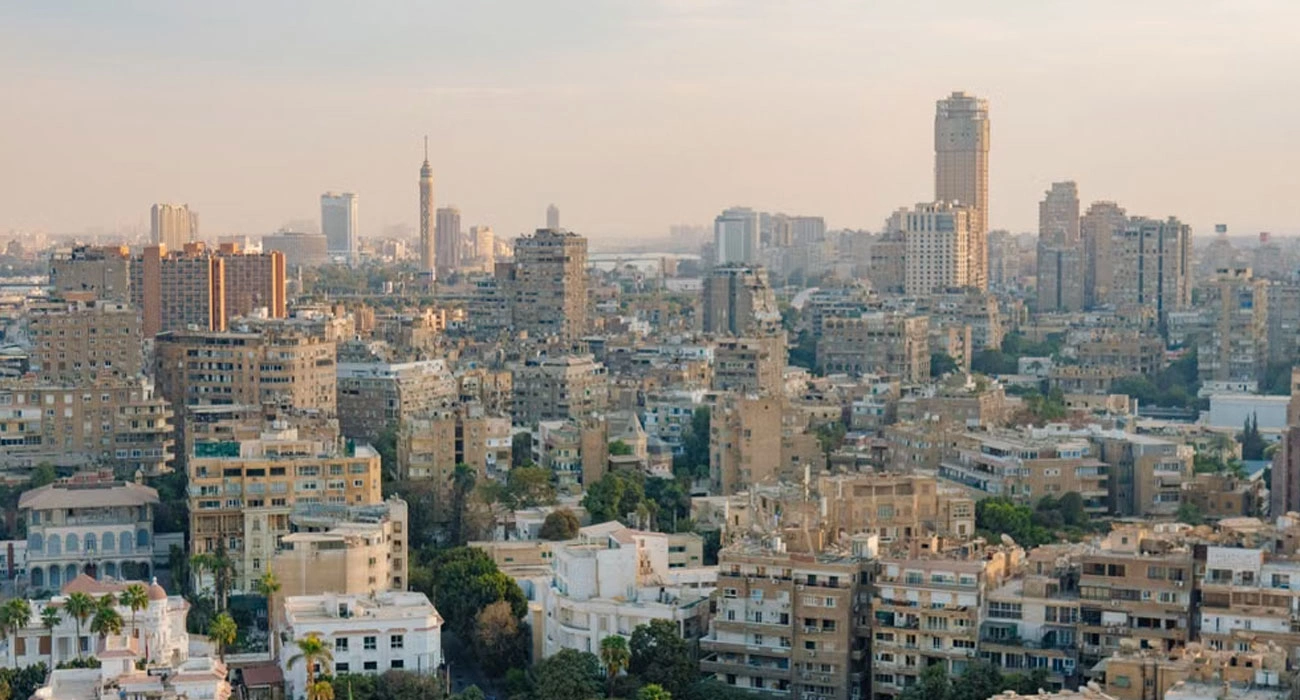
Karim Shafei: Turning Downtown Cairo’s Heritage Into a Living Business District
Preserving history while promoting economic growth in Egypt's capital.
From Historic Buildings to a New Business Model
Downtown Cairo is home to a remarkable architectural heritage that tells the story of Egypt's past. However, keeping historic properties economically active has proven to be a significant challenge. Karim Shafei, as Co-Founder, Chairman, and CEO of Al Ismaelia for Real Estate Investment, has taken on this challenge by transforming these historic buildings into vibrant spaces that serve modern needs. Through his vision, Shafei has successfully integrated heritage preservation with business development, proving that historic architecture can play a pivotal role in urban growth.
Al Ismaelia's approach is grounded in the belief that preserving Cairo's historical architecture does not mean isolating it from the economy. Instead, these buildings are reimagined for contemporary use, fostering a connection between the past and present. This strategy not only sustains the architectural identity of Downtown Cairo but also encourages local businesses and tourism, creating a dynamic urban environment.
The Business of Adaptive Reuse
Al Ismaelia's model revolves around four key steps: acquire, restore, reposition, and introduce contemporary uses. By acquiring historic properties and restoring them to their former glory, the company ensures that the architectural character is preserved while adapting the buildings for hospitality, retail, and cultural activities. This adaptive reuse not only breathes new life into the structures but also creates spaces that resonate with both visitors and locals.
This innovative approach allows historic buildings to serve multiple purposes, linking them to the city's economic fabric. By transforming these spaces into hubs for creative businesses and cultural venues, Al Ismaelia has developed a model that supports community engagement while honoring the rich history of Downtown Cairo.
When Heritage Becomes a Tourism Asset
Heritage-led tourism is a critical aspect of Al Ismaelia's vision. By connecting restoration efforts with tourism, the company encourages visitors to explore Downtown Cairo more deeply. The idea is to inspire tourists to spend an additional day experiencing the cultural and historical richness of the area, thereby boosting local businesses and creating a sustainable economic model.
The success of this initiative is evident in the recognition Al Ismaelia received from the World Economic Forum in September 2026, becoming the first Egyptian and MENA company to be honored in the Infrastructure and Real Estate category for its Reviving Downtown Cairo initiative. This acknowledgment highlights the potential of integrating heritage preservation with tourism and local business development.
Downtown’s architecture is an extraordinary asset, and its future depends on people continuing to use it.— Karim Shafei, Chairman & CEO, Al Ismaelia
Facts & Insights
- Karim Shafei co-founded Al Ismaelia for Real Estate Investment in 2008 to focus on the restoration and adaptive reuse of historic properties in Downtown Cairo.
- Al Ismaelia currently manages a portfolio of 25 heritage properties across Downtown Cairo, covering approximately 85,000 square metres.
- In September 2026, Al Ismaelia became the first Egyptian and first MENA company to receive a World Economic Forum Beyond Tourism Impact Stars recognition in the Infrastructure and Real Estate category.
Making Preservation Economically Sustainable
The relationship between commercial activity, building maintenance, local enterprises, and cultural programming is key to ensuring the long-term sustainability of heritage properties. Al Ismaelia's model illustrates how historic districts can remain vibrant and active rather than becoming static monuments. By integrating commercial activities with cultural events, the company fosters a sense of community while keeping the architectural identity intact.
Karim Shafei's work exemplifies a new way to view heritage as a living asset. His efforts demonstrate that heritage preservation can coexist with modern urban life, creating spaces that cater to contemporary needs while honoring the past. As cities around the world grapple with similar challenges, Shafei's approach offers a valuable framework for how restoration can be part of a larger economic ecosystem.
Categories
Tagged in this story
Image sources
Pexels - Photo by Marius Mann