
Latin America's Innovation Paradox: How Local Businesses Are Going Global
Written by Admin • 2026-08-20 01:38:00
Latin America is producing a new generation of companies that are thinking beyond their home markets. The rise of the multilatina reveals how regional businesses are turning local expertise into international expansion.
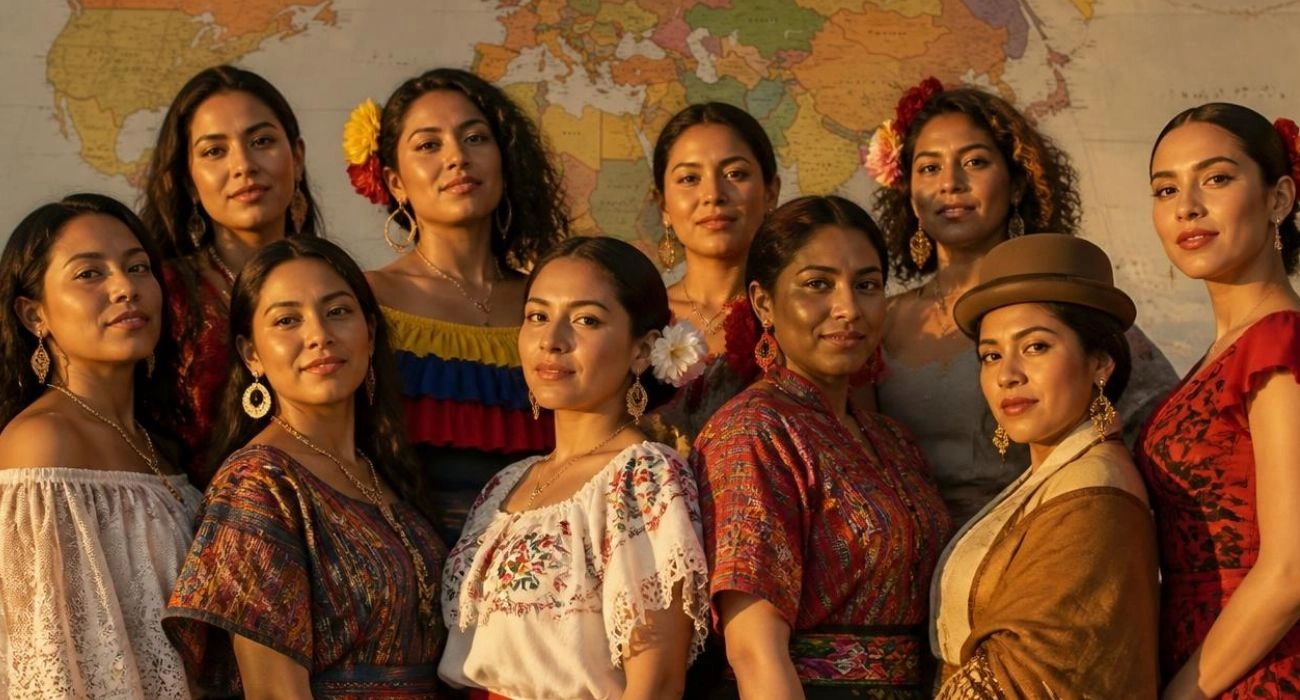
Latin America's Multilatinas: How Local Companies Are Going Global
Exploring the rise of multilatinas and their journey beyond domestic markets.
Latin America's Entrepreneurial Energy
Latin America is rich in entrepreneurial spirit, with a diverse array of businesses emerging from various sectors. The region boasts a dynamic workforce and a wealth of local knowledge that can be leveraged to create innovative solutions. However, the challenge lies in scaling these businesses to compete on a global stage. Many companies initially focus on local markets, but as they grow, the potential for international expansion becomes increasingly evident. The entrepreneurial energy in Latin America is palpable, characterized by a strong desire to innovate and adapt, setting the stage for the multilatina phenomenon.
The potential for growth within Latin America is immense, as evidenced by the increasing number of startups and established companies seeking to expand their reach. The region is home to vibrant tech ecosystems, burgeoning industries, and a population eager to embrace new products and services. As these local businesses gain traction, they are beginning to recognize the benefits of tapping into foreign markets. This ambition reflects a shift in mindset, where entrepreneurs are not only thinking about local competition but are also eager to claim their place on the global stage.
The Innovation Paradox
Creating a business and scaling it internationally are fundamentally different challenges. While many Latin American entrepreneurs exhibit remarkable creativity and resourcefulness in establishing their companies, the journey to become a multilatina requires navigating complex regulatory environments, accessing capital, and managing operational complexities across borders. Moreover, scaling often necessitates a shift in organizational culture and capabilities. Entrepreneurs must adapt their business models to meet the nuanced demands of diverse markets, which can be overwhelming without the right support and infrastructure.
This innovation paradox highlights a critical gap in the entrepreneurial ecosystem in Latin America. While local knowledge can serve as a competitive advantage, the limitations posed by financial, regulatory, and institutional barriers can hinder growth. Entrepreneurs must not only innovate their products but also refine their strategies to overcome these challenges. By addressing these issues head-on, Latin American businesses can unlock the true potential of their innovations and evolve into competitive global players.
The Rise of the Multilatina
The concept of the multilatina represents a significant evolution in the landscape of Latin American business. These companies have successfully expanded their operations beyond their home countries and are making their mark in global markets. Prominent examples include firms like Grupo Bimbo, which has leveraged its strong brand and distribution networks to establish a presence in numerous international markets. Another example is Movile, a Brazilian company that has transformed into a global leader in mobile commerce.
The rise of the multilatina showcases the potential for Latin American companies to influence global trends while also benefiting from the diverse markets they enter. As these businesses grow, they bring unique perspectives and innovations to their new locales, enriching both their home and host countries. This shift not only fosters economic growth but also elevates the status of Latin American businesses on the world stage, challenging the notion that global business must begin in traditional economic powerhouses.
Facts & Insights
- Multilatina companies operate across 116 countries, according to a 2026 Inter-American Development Bank study.
- The average multilatina operates subsidiaries in 7.3 countries outside its country of origin.
- Financial, regulatory and institutional factors remain important barriers for Latin American companies expanding into new markets.
Crossing Borders Changes Everything
Expanding into new markets requires a deep understanding of the regulatory and financial landscapes. Each country presents its own set of challenges, from compliance with local laws to securing funding for operations. Multilatinas must navigate these complexities while ensuring that their organizational capabilities align with the demands of their new markets. This often involves restructuring teams, refining processes, and developing new partnerships to facilitate a smoother transition.
In addition to regulatory challenges, accessing capital remains a significant hurdle for many Latin American businesses. Investors may be hesitant to fund ventures that operate in unfamiliar markets or face perceived risks associated with emerging economies. Consequently, multilatinas must build robust business models that demonstrate their potential for success, fostering trust among investors and stakeholders. By overcoming these barriers, Latin American companies can position themselves for long-term growth and influence in the global marketplace.
116
Countries Reached
7.3
Average Foreign Markets per Multilatina
92%
Presence in Other LAC Markets
41%
Presence in Europe
The Next Latin American Growth Story
The future shines bright for Latin American businesses as they embrace the opportunities presented by globalization. As more companies transition from regional champions to global players, the narratives of their journeys will shape the next chapter of the region's economic growth. By leveraging local expertise, fostering innovation, and addressing the challenges of scaling, Latin American entrepreneurs can redefine their role in the global economy.
In conclusion, the rise of the multilatina illustrates that successful global business does not have to originate in established economic centers. With the right capabilities and a commitment to navigating cross-border complexities, Latin American companies can transform their local knowledge into international relevance. As this trend continues, we may witness a new era of economic development driven by the region's entrepreneurial spirit and adaptability.
The rise of the multilatina shows that global business does not have to begin in a traditional economic powerhouse.— Inter-American Development Bank
Categories
Tagged in this story
Image sources
Canva