
Lower Silesia: Poland’s Forgotten Land of Castles, Legends and Hidden Tunnels
Written by Admin • 2026-07-29 05:41:00
Topics
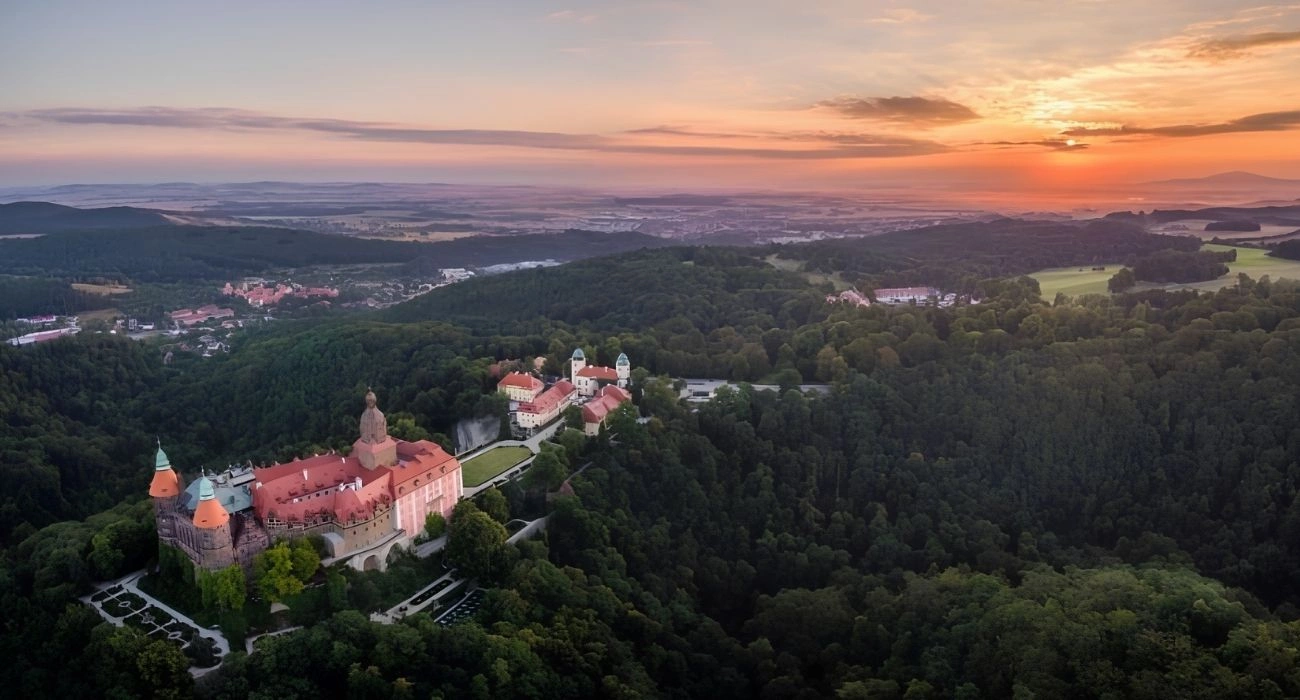
Lower Silesia: Where Castles, Legends, and History Remain Alive
Beyond Poland’s famous cities lies a forgotten landscape of medieval fortresses, aristocratic estates, and hidden stories shaped by centuries of cultural transformation.
A Hidden Chapter of Poland’s Cultural Landscape
Most travelers visiting Poland follow the familiar routes of Kraków, Warsaw, or Gdańsk. Yet in the southwestern corner of the country lies a region that offers a completely different experience: Lower Silesia.
Known for its medieval castles, mountain landscapes, aristocratic residences, and mysterious underground sites, Lower Silesia represents one of Central Europe’s most atmospheric historical regions.
What makes the region remarkable is not only the number of castles, but the stories surrounding them. Centuries of Polish, Czech, Austrian, and German influences have created a landscape where architecture, legends, and history exist together.
Why Lower Silesia Became a Land of Castles
For centuries, Lower Silesia stood at the crossroads of Central Europe. Its strategic location made the region an important territory for different kingdoms, dynasties, and political powers.
Over time, Polish, Bohemian, Austrian, Prussian, and German rulers left behind a remarkable collection of fortresses, castles, and palaces that reflected their influence and ambitions.
Today, Lower Silesia has one of the highest concentrations of castles in Europe. Unlike many famous castle destinations, many of these locations remain authentic and less crowded, allowing visitors to experience history in a more personal way.
Książ Castle: A Royal Residence With a Hidden Underground Story
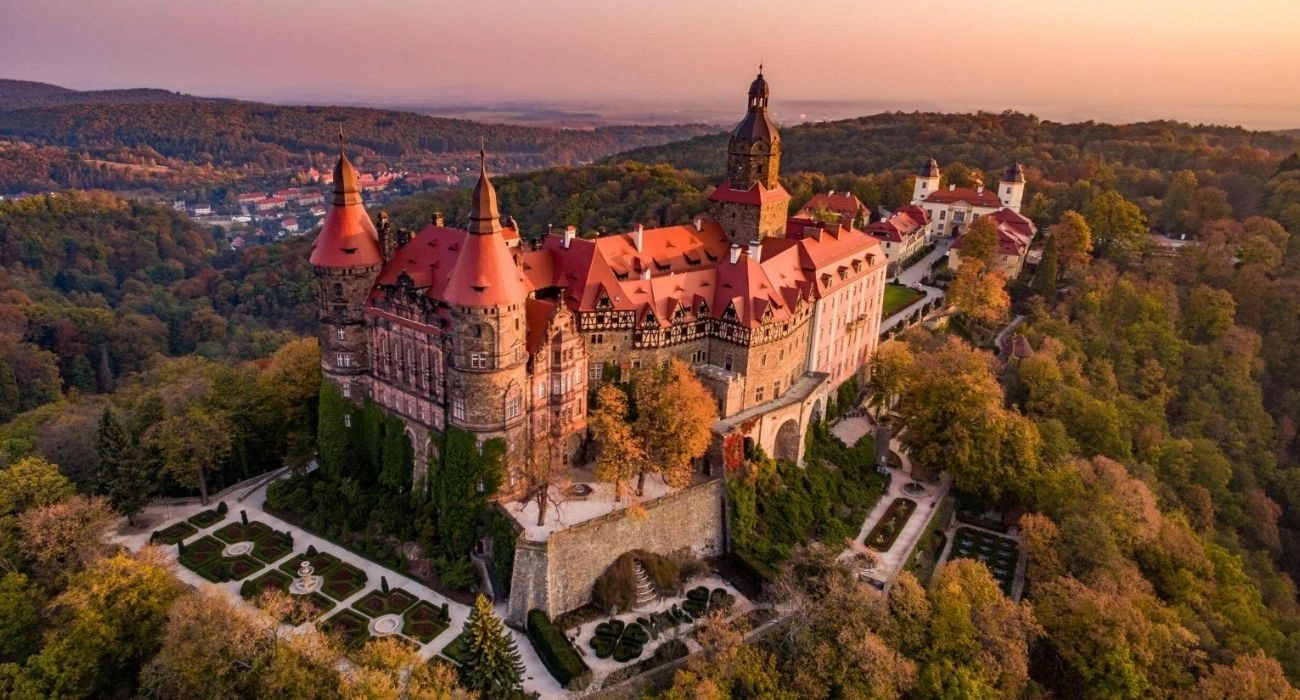
Located near Wałbrzych, Książ Castle is one of Poland’s most impressive historic residences. Rising above forests and cliffs, it combines aristocratic elegance with a fascinating wartime past.
The castle is closely associated with Princess Daisy, one of the most famous aristocratic figures connected with Lower Silesia. Her life and the castle’s history have contributed to its enduring cultural appeal.
During World War II, the castle was taken over by Nazi Germany, which began constructing an underground complex beneath the property as part of the secret Project Riese. The exact purpose of these tunnels remains debated, adding another layer of mystery to the site.
Today, visitors experience two different sides of Książ: the refined atmosphere of a historic royal residence above ground and the unresolved mysteries hidden beneath it.
Czocha Castle: A Fortress of Secrets and Imagination
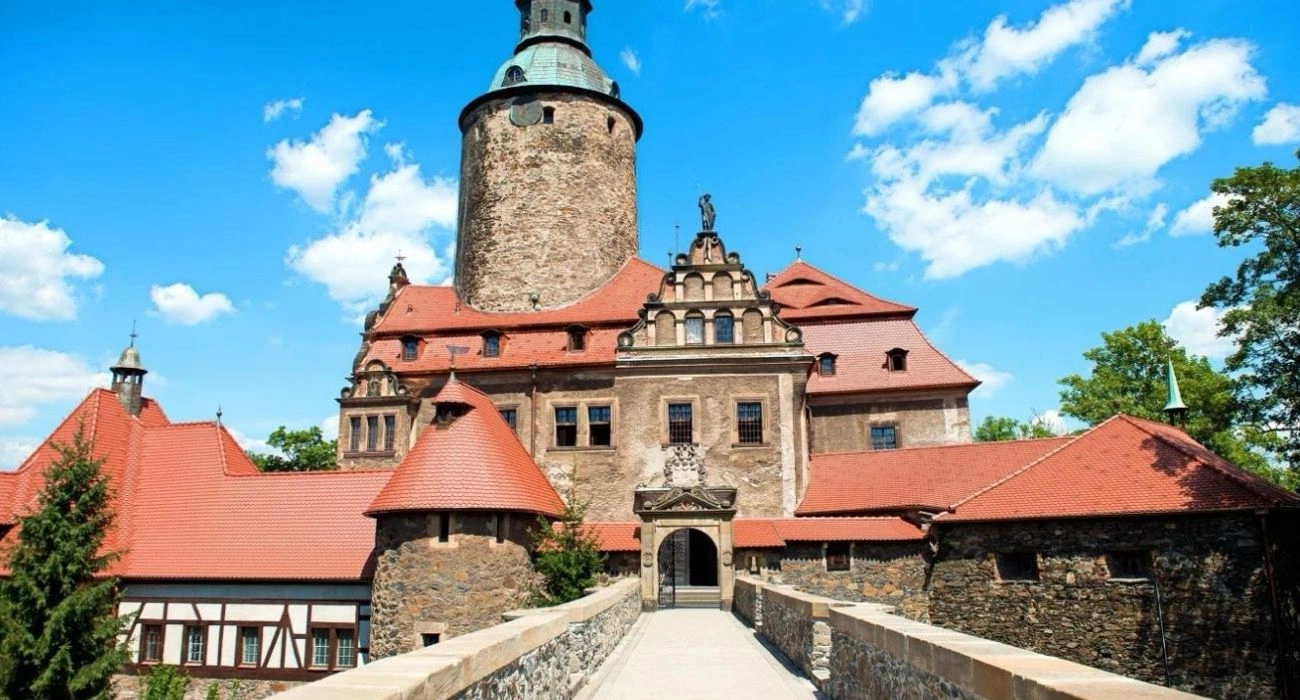
Near the Czech border, surrounded by forests and a peaceful lake, Czocha Castle appears almost like a scene from a fantasy story.
Its towers, hidden corridors, secret rooms, and medieval atmosphere have earned comparisons to fictional castles such as Hogwarts, attracting visitors fascinated by architecture and legends.
Stories surrounding the castle, including the famous legend of the “Well of Unfaithful Wives,” have strengthened its mysterious reputation.
Today, Czocha offers more than a historical visit. With accommodation inside the castle itself, visitors can experience the atmosphere of medieval life in a way that feels closer to a journey through time.
Mountain Fortresses and Medieval Legends
Some of Lower Silesia’s castles are defined not only by their architecture but also by their dramatic locations.
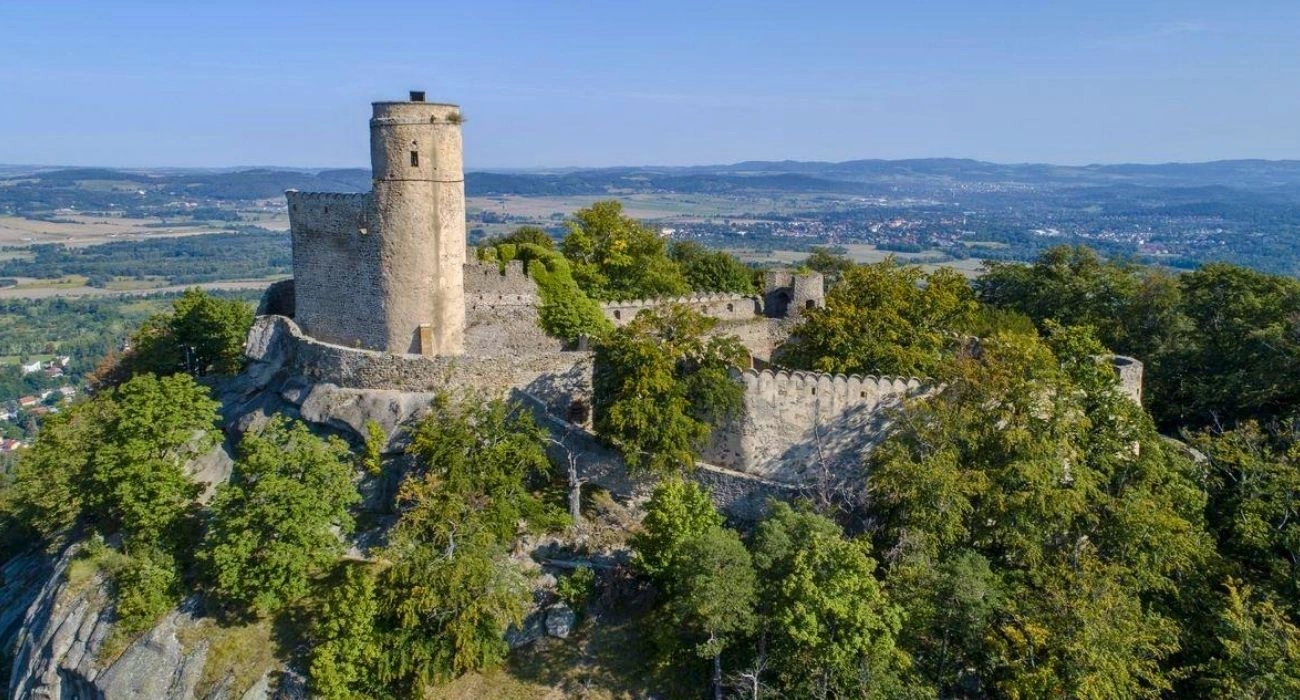
Chojnik Castle, located within the Karkonosze Mountains, requires visitors to hike through forest paths before reaching its impressive ruins and panoramic views toward the Czech Republic.
The castle is connected with the legend of Princess Kunegunde, a story that combines romance, bravery, and tragedy. Like many Lower Silesian legends, it reflects the region’s ability to blend historical places with imaginative storytelling.
These mountain fortresses demonstrate how landscape itself became part of the region’s historical identity.
Grodziec and Bolków: Where Medieval Heritage Meets Modern Culture
Lower Silesia’s castles are not only reminders of the past. Some continue evolving as cultural spaces where history meets contemporary creativity.
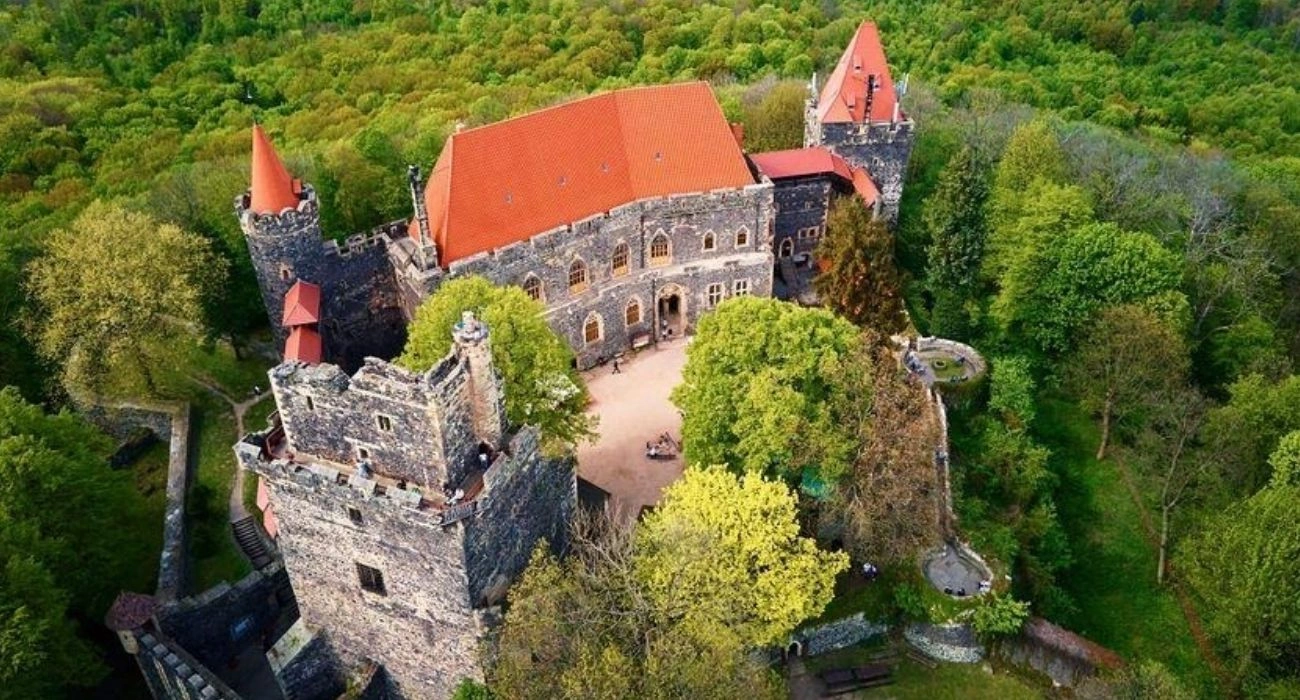
Grodziec Castle stands on an extinct volcano, creating one of Europe’s most unusual medieval landscapes. Its raw stone walls and defensive structures preserve the feeling of a genuine medieval fortress.
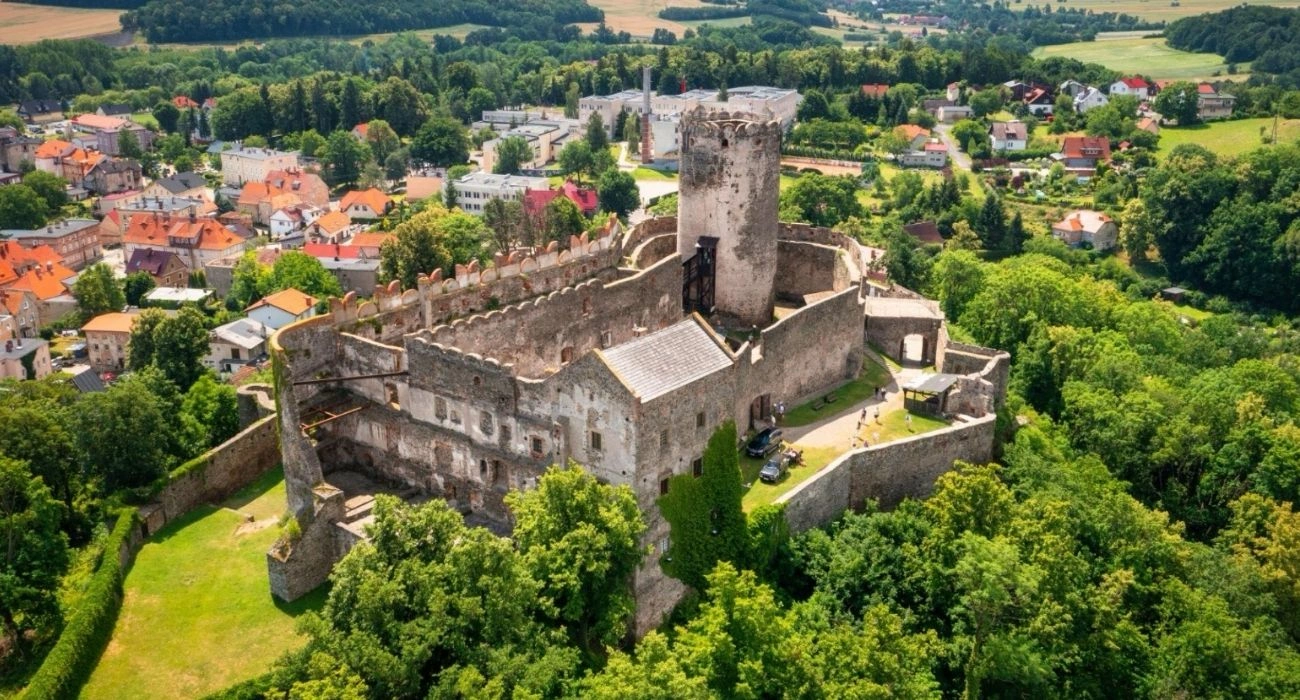
Meanwhile, Bolków Castle represents a unique connection between history and modern culture. Its medieval architecture becomes the setting for Castle Party, one of Europe’s largest gothic music festivals.
The combination of ancient walls, contemporary performances, and creative communities shows how heritage sites can remain relevant in the modern era.
Why Lower Silesia Feels Different From Other Castle Destinations
Many European regions are known for beautiful castles. However, Lower Silesia offers something beyond visual beauty: a sense of discovery.
Forests surrounding forgotten estates, mountain landscapes hiding ancient ruins, and architectural influences from different cultures create a destination that feels authentic and unexpected.
Rather than feeling overly commercialized, the region maintains a unique atmosphere where history remains connected to nature, local stories, and everyday life.
This combination of authenticity and mystery is what makes Lower Silesia one of Europe’s most distinctive hidden destinations.
A New Destination for Travelers Seeking Authentic Experiences
As travelers increasingly search for destinations beyond crowded tourist routes, regions like Lower Silesia are gaining renewed attention.
The area offers a rare combination of medieval history, dramatic landscapes, cultural diversity, and stories that continue inspiring visitors.
Lower Silesia’s greatest attraction is not simply the number of castles it preserves, but the feeling that every stone, tunnel, and legend still carries a story waiting to be discovered.
The greatest historical places are not only preserved by their architecture, but by the stories that continue to live within them.
- 100+ historic castles, palaces, and fortresses across the region
- 1 Region where Polish, Czech, Austrian, and German histories meet
- 1 medieval volcano: home to the unique Grodziec Castle location
Contribution to Society
Lower Silesia demonstrates how historical preservation can support cultural identity, tourism development, and education. By protecting castles, legends, and architectural heritage, the region allows future generations to understand the complex history of Central Europe while creating new opportunities for local communities.
Lower Silesia: A Region Where History Still Breathes
Lower Silesia reminds us that some of Europe’s greatest stories are not always found in its most famous destinations. Hidden among forests, mountains, and historic landscapes, this region preserves centuries of cultural transformation through castles, legends, and forgotten places. From royal residences and underground mysteries to modern celebrations of heritage, Lower Silesia represents a powerful example of how the past can continue inspiring the present. Its greatest secret is not only that it has castles, but that these castles still feel alive.
Categories
Tagged in this story
Image sources