
Makassar Is Strengthening Its Identity as Indonesia's Maritime City
Written by Admin • 2026-07-15 02:59:00
Topics
Makassar is strengthening its identity as Indonesia's maritime city through waterfront development and a focus on the blue economy. This evolution highlights the importance of preserving maritime heritage while embracing new economic opportunities, ultimately supporting regional connectivity and sustainable growth.
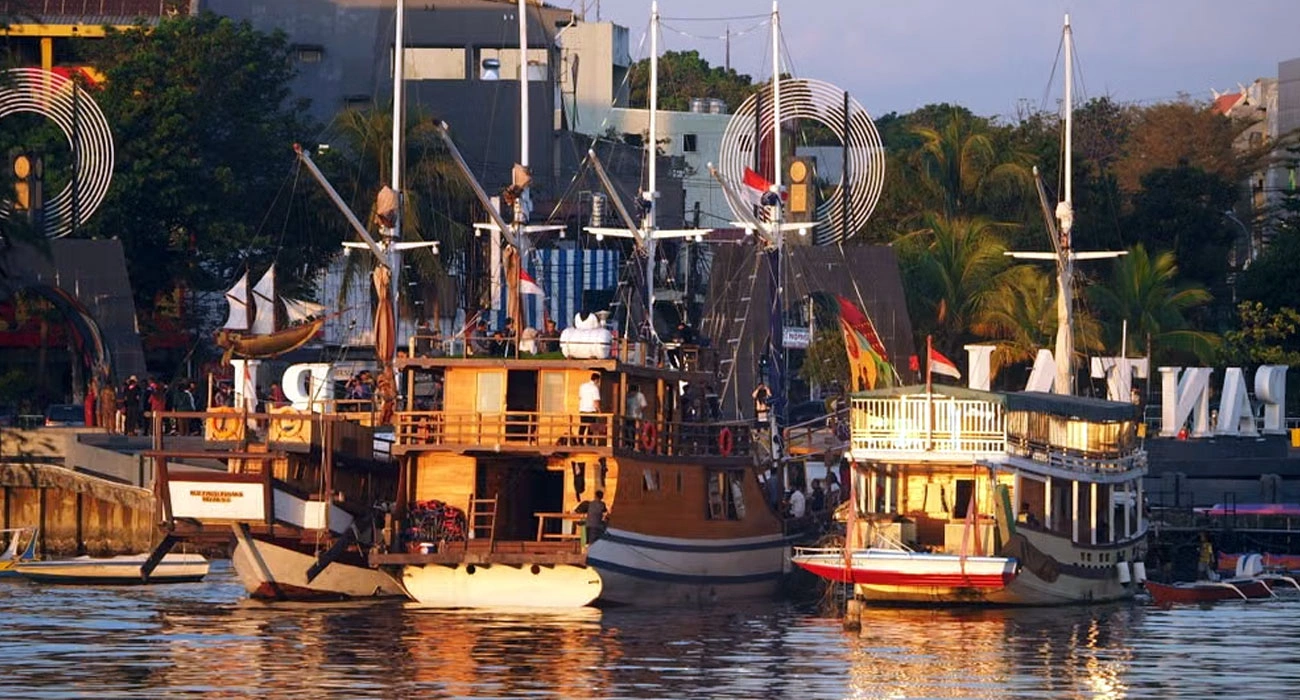
Makassar: Strengthening Its Identity as Indonesia's Maritime City
Exploring the evolution of Makassar into a hub of maritime trade and coastal development.
A Historic Maritime Gateway
For centuries, Makassar has served as one of Indonesia's most important maritime gateways, connecting islands, cultures, and trade routes. Its strategic location along the Sulawesi Sea has allowed it to flourish as an essential node in regional maritime trade, facilitating the exchange of goods and ideas between diverse communities. The city's rich history as a maritime hub is evident in its vibrant culture and the ongoing interactions between local fishermen, traders, and tourists. This heritage is a critical foundation as Makassar seeks to strengthen its identity in the modern era.
Today, the city continues strengthening its identity through waterfront development, logistics, tourism, and the blue economy. Initiatives aimed at enhancing the waterfront are not only reshaping the physical landscape but also revitalizing the local economy. By investing in modern port facilities and promoting maritime-related tourism, Makassar is poised to become a leading maritime city in eastern Indonesia. These developments reflect a broader vision for sustainable coastal growth, ensuring that the city remains competitive in the global maritime economy.
Embracing New Economic Opportunities
Makassar's evolution illustrates how coastal cities can preserve their heritage while embracing new economic opportunities. The integration of traditional maritime practices with contemporary business models is vital for fostering resilience in the face of global challenges. By leveraging its maritime heritage, Makassar is not only attracting investment but also creating jobs and enhancing the quality of life for its residents. This dual focus on heritage and innovation serves as a model for other coastal cities seeking to thrive in a rapidly changing world.
The sea has always connected more than it separates.— Unknown
Facts & Insights
- Makassar is a major port city.
- Port activity with modern logistics
- Coastal tourism continues expanding.
A Maritime Future
Makassar's maritime identity is characterized by its significant contributions to society. The city supports regional connectivity, trade, and sustainable coastal development, playing a crucial role in the economic landscape of eastern Indonesia. With over 17,000 Indonesian islands connected through its waters, the potential for growth remains immense.
The vision for Makassar’s maritime future is anchored in blue growth, focusing on sustainable practices that promote environmental stewardship while driving economic prosperity. As coastal development initiatives continue to unfold, the city is set to reinforce its status as a maritime leader in the region.
1
Major Port City
17K+
Indonesian Islands Connected
1
Economy: Blue Growth
1
Vision: Maritime Future
Makassar continues proving that maritime heritage remains one of Indonesia's greatest strengths, connecting communities while supporting economic resilience across the archipelago. As the city navigates its future, it stands as a testament to the power of the sea in fostering unity and prosperity.
Categories
Tagged in this story
Image sources
Pexels - Photo by Timon Cornelissen