
Muh. Agung Saputra: Turning Indonesia’s Surplus Into a Circular Economy
Written by Admin • 2026-10-09 02:34:00
Topics
Muh. Agung Saputra is building Surplus Indonesia around a circular-economy opportunity: redirecting surplus and imperfect products into affordable essentials while supporting SMEs and reducing waste.
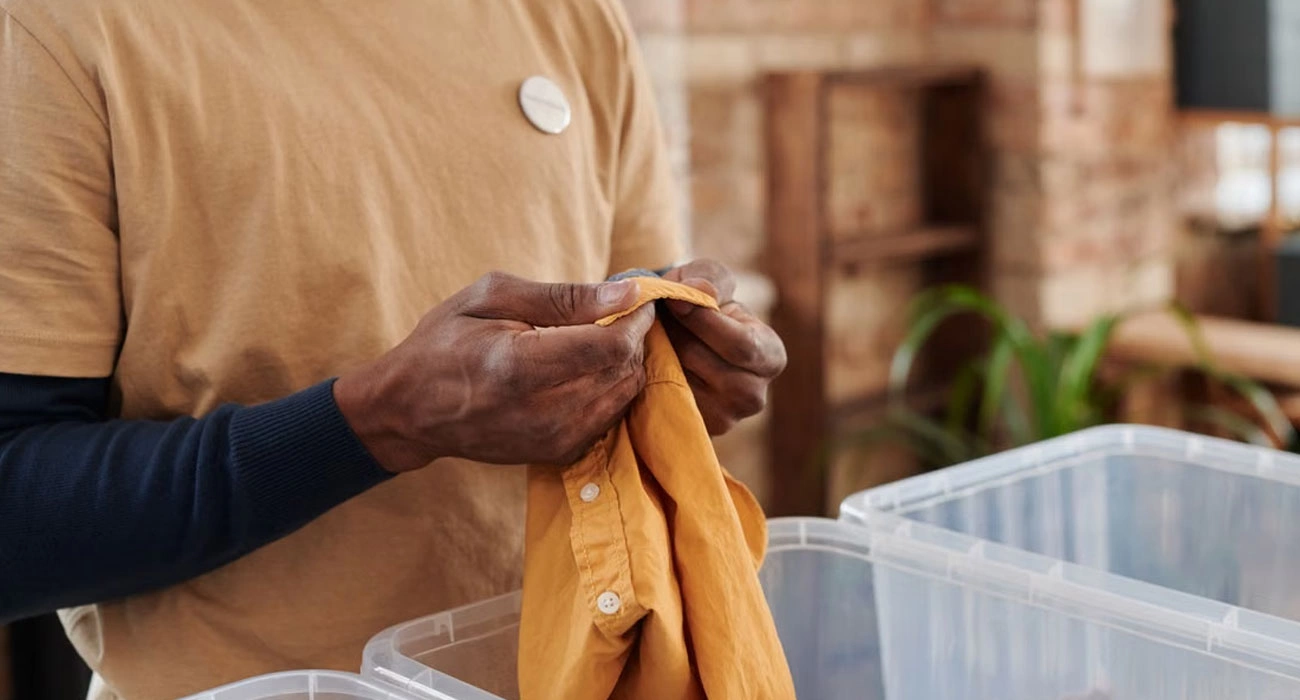
Agung Saputra: Building Indonesia’s Circular Economy With Surplus
Redirecting surplus products into affordable essentials while supporting SMEs and reducing waste.
The next opportunity in retail may lie in giving overlooked products a second market.
From Biological Sciences to Circular Entrepreneurship
Muh. Agung Saputra's journey into circular entrepreneurship is rooted in his academic background in biological sciences. His training in environmental technology equipped him with a keen understanding of resource efficiency, an essential aspect of the challenge that Surplus Indonesia addresses. This foundation not only deepened his awareness of the environmental implications of waste but also inspired him to seek practical solutions to redirect surplus goods. Through Surplus Indonesia, Agung is not just tackling waste; he is innovating a business model that aligns ecological sustainability with economic viability.
The intersection of his academic knowledge and entrepreneurial spirit allows him to see opportunity where others see waste. Agung recognizes that a significant portion of usable products becomes overlooked due to imperfections or logistical challenges. This realization has been fundamental in shaping the mission of Surplus Indonesia, making it a platform that champions sustainability while providing affordable products.
The Business Opportunity Hidden in Surplus
Products can often become commercially overlooked despite their usability due to conventional sales channels that favor perfection. Agung Saputra's insight lies in understanding that these surplus goods still hold value and can be strategically redirected to create a new route to market. By establishing a surplus goods marketplace, Surplus Indonesia effectively challenges traditional retail norms, demonstrating that economic value can be derived from what is typically considered waste.
Moreover, Agung's approach aligns with a growing consumer demand for sustainability and responsible consumption. By providing an accessible platform for surplus goods, he not only addresses waste reduction but also fosters a new market segment that prioritizes affordability and sustainable practices. This shift is essential in promoting a circular economy that benefits both consumers and the environment.
Building a Platform Around Affordability
At the core of Surplus Indonesia's mission is the commitment to making surplus products affordable for consumers. By connecting local suppliers with consumers seeking value, Agung has created a marketplace that not only reduces waste but also enhances access to essentials. This model is particularly beneficial in economically challenged communities where affordability is a pressing concern.
Agung's platform serves as a bridge, ensuring that surplus goods can reach those who need them most. By promoting a circular economy, he emphasizes that sustainability does not have to come at a premium; rather, it can be integrated into the daily lives of consumers in a financially accessible way. This innovation highlights the potential for entrepreneurship to address both economic and environmental challenges simultaneously.
Connecting Small Businesses to the Circular Economy
Surplus Indonesia's model extends beyond waste recovery by actively involving small and medium enterprises (SMEs) in its operations. By providing SMEs with a platform to sell surplus goods, Agung is fostering a community of businesses that share a commitment to sustainability. This collaboration not only empowers smaller businesses but also helps build a robust circular economy that thrives on resource recovery and efficient distribution.
The inclusion of SMEs in the process creates opportunities for local economic growth and innovation. As these businesses participate in the circular economy, they can generate new revenue streams while reducing their environmental footprint. This collaborative effort is essential in fostering a sustainable business ecosystem that benefits all stakeholders involved, creating a more resilient economy.
Facts & Insights
- Agung Saputra founded Surplus Indonesia, a platform that redirects surplus and imperfect goods toward affordable essentials.
- The British Council reports that the business has helped more than one million people and supported over 10,000 small and medium-sized enterprises.
- Agung received the British Council's Business and Innovation Award in 2026, following other recognitions for his entrepreneurial work.
1M+
People reached
10K+
SMEs supported
10K tonnes
Products rescued from waste
100+
Green jobs created
Finding New Value in What Already Exists
The story of Muh. Agung Saputra demonstrates that entrepreneurship does not always depend on creating an entirely new product. Sometimes, the opportunity lies in changing how existing resources move through the economy. By connecting surplus goods with new customers, Surplus Indonesia brings together affordability, waste reduction, and small-business participation in a single commercial model.
Its reported reach suggests that circular-economy principles can extend beyond environmental messaging when they address practical needs for both businesses and consumers. Agung's journey offers an example of how entrepreneurial leadership can turn overlooked resources into economic value while encouraging a more efficient relationship between consumption and waste.
Categories
Tagged in this story
Image sources
Pexels - Photo by Julia M Cameron