
Museums Without Walls Are Bringing Culture Into the Digital Age
Written by Admin • 2026-07-24 01:49:00
Topics
Digital museums and virtual exhibitions are revolutionizing access to art, culture, and history by utilizing technology to create immersive experiences. This transformation not only democratizes cultural participation but also enhances preservation efforts, ensuring that future generations can engage with humanity's collective heritage.
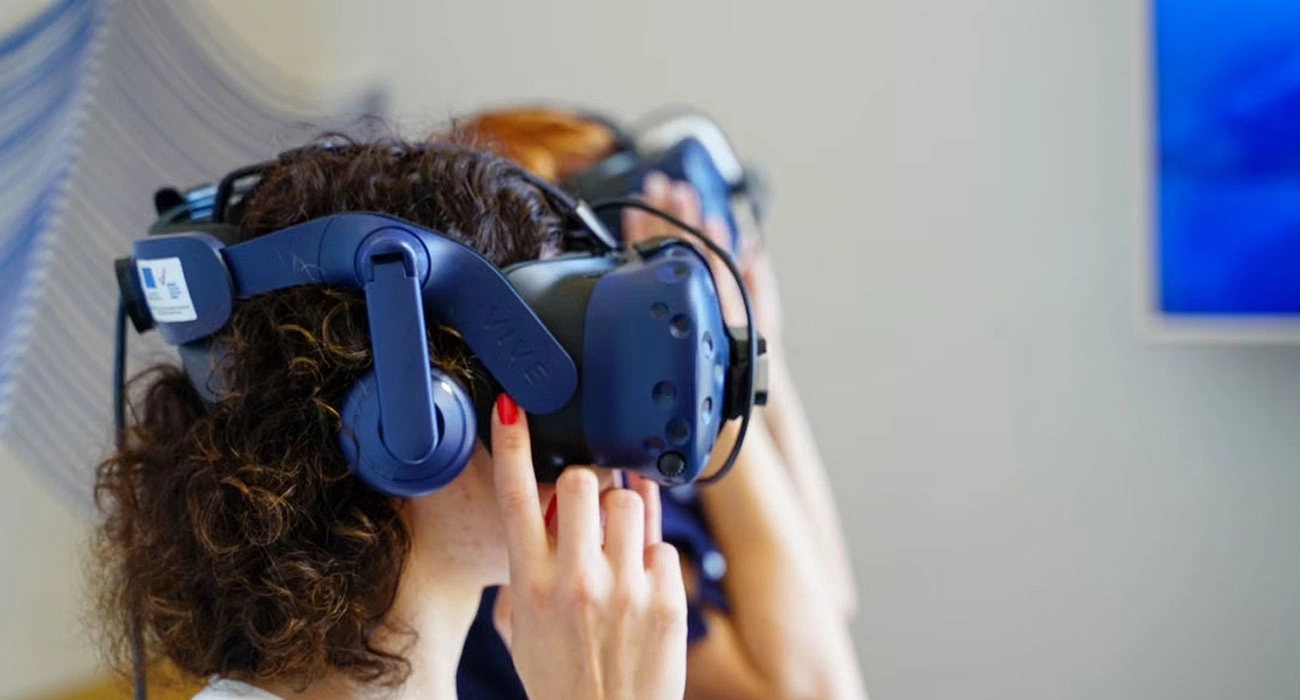
Museums Without Walls: Bringing Culture Into the Digital Age
Exploring the impact of digital museums on cultural accessibility and preservation.
The Evolution of Museums
For centuries, museums preserved humanity's greatest treasures inside physical spaces. These institutions were once bound by walls, limiting access to their collections and narratives. However, the rise of technology is transforming this paradigm, allowing culture to travel beyond the confines of brick and mortar. The concept of museums has evolved to encompass digital experiences that invite global participation and engagement.
Digital museums and virtual exhibitions are creating new ways for people around the world to access art, history, and knowledge. Through online platforms, cultural institutions can showcase their collections, making them available to anyone with an internet connection. This accessibility not only democratizes culture but also fosters a more profound understanding of diverse heritages and artistic expressions.
The Role of Technology in Cultural Preservation
The transformation of traditional museums into digital entities underscores the potential of technology to enhance cultural participation. By embracing digital heritage, institutions can preserve their collections in innovative ways, ensuring that artifacts remain intact for future generations. Immersive technologies, such as virtual reality and augmented reality, provide unique experiences that allow visitors to interact with history and art in unprecedented manners.
Culture becomes stronger when more people can experience it.— Unknown
Facts & Insights
- Digital platforms expand museum accessibility.
- Virtual exhibitions reach global audiences.
- Technology supports cultural preservation.
The Impact of Digital Museums on Society
Digital museums represent a significant contribution to society by supporting cultural education, accessibility, and preservation through technology. With over 1 billion digital users engaging with various online platforms, the reach of virtual museums is unprecedented. Currently, there are more than 100 virtual exhibitions available, providing 24/7 global access to diverse cultural experiences. This shift not only enhances public engagement but also encourages the sharing of stories that might otherwise remain untold.
Conclusion
Digital museums represent the evolution of cultural preservation in the modern era. By combining technology with creativity, museums can reach wider audiences while ensuring that humanity's stories, achievements, and artistic expressions remain accessible for future generations. The virtual landscape of culture is not just a trend; it is a vital step towards inclusivity and global understanding, affirming that culture truly knows no borders.
Categories
Image sources
Pexels - Photo by Vladimir Srajber