
Nermin Sena Özger: Turning Discarded Mussel Shells Into Living Reefs
Written by Admin • 2026-10-08 02:03:00
Nermin Sena Özger is turning discarded mussel shells into artificial reefs designed to restore marine habitats while creating new opportunities for responsible coastal tourism.
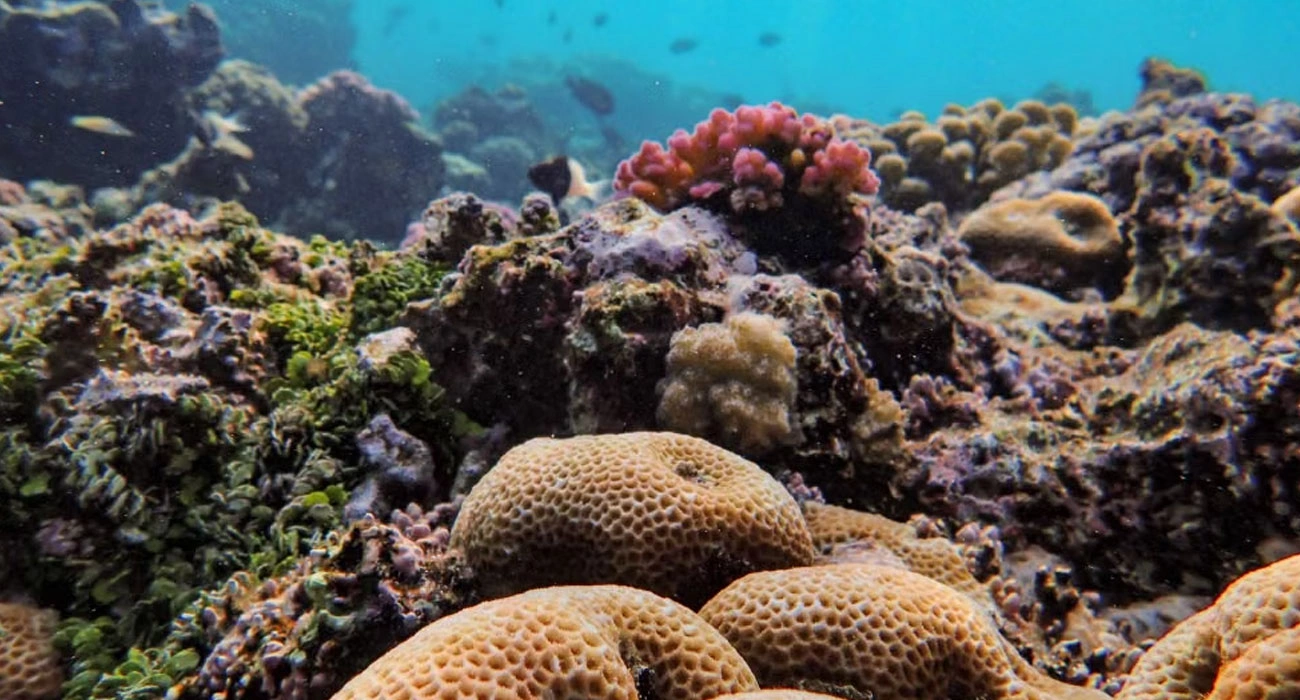
Nermin Sena Özger: Turning Discarded Mussel Shells Into Living Reefs
Exploring the intersection of marine innovation and responsible tourism
The Waste Material Beneath the Surface
In the depths of Türkiye's coastal waters lies a waste material often overlooked: discarded mussel shells. While typically regarded as refuse, Nermin Sena Özger sees potential in these shells, transforming them into useful biomaterials. This unconventional approach serves as a starting point for marine innovation, offering a solution to both waste management and marine habitat restoration. By converting what is essentially waste into a resource, Özger is not just innovating; she is redefining how we view discarded materials and their potential roles in supporting marine ecosystems.
Özger's venture, NeSea, is at the forefront of combining industrial design with marine ecology. Her project exemplifies a commitment to environmental sustainability while also exploring economic opportunities in coastal communities. The transformation of mussel shells into biomaterials is not only innovative but also a clear reflection of the principles guiding the blue economy—a sustainable approach that seeks to balance economic growth with the health of marine environments.
Designing a Reef From a Waste Stream
The process of creating artificial reefs from mussel shells involves meticulous design and engineering. Özger has developed structures that can withstand the harsh conditions of seawater while providing a nurturing environment for marine organisms. By harnessing the natural properties of biomaterials, NeSea is paving the way for innovative reef designs that not only fulfill ecological needs but also enhance the underwater landscape. These structures are engineered to support diverse marine life, creating new habitats where previously there were none.
Through partnerships with organizations like TÜBİTAK and the UNIDO Global Cleantech Innovation Programme, Özger has been able to refine her methods and scale her impact. The integration of scientific research and practical application in her designs showcases how marine innovation can effectively address environmental challenges while also fostering entrepreneurial opportunities.
From Prototype to Living Habitat
The first prototype of NeSea's artificial reef was installed in Seferihisar's Sığacık Bay, marking a significant milestone in Özger's journey. This innovative structure is not merely a test but a living habitat that has begun to attract marine life. The initial observations around the reef have shown promising signs of ecological activity, indicating that the artificial reef is successfully fulfilling its intended purpose of providing shelter and sustenance for various marine organisms.
As marine life begins to colonize the reef, Özger’s vision of creating a thriving underwater ecosystem is becoming a reality. The project not only contributes to biodiversity but also serves as a model for future marine restoration efforts. The success of this prototype could lead to larger-scale implementations that could amplify the ecological benefits while enhancing local marine tourism.
Where Conservation Meets Diving Tourism
The artificial reefs created by NeSea offer more than just ecological benefits; they also have the potential to transform local economies. By establishing artificial reefs as ecological diving destinations, diving centers, boats, and accommodations can thrive, creating a symbiotic relationship between marine conservation and tourism. This innovative approach allows coastal communities to develop economically while simultaneously protecting marine ecosystems.
As more divers flock to these artificial reefs, businesses in the surrounding areas stand to benefit from increased tourism. This model encourages a responsible approach to diving and marine exploration, ensuring that the natural environment is preserved while providing economic opportunities for local residents. Özger's work illustrates how marine innovation can foster sustainable business practices within the blue economy.
We are trying to show that protecting the sea and local economic development are not alternatives to each other.— Nermin Sena Özger
Facts & Insights
- Özger has worked on her artificial-reef project since 2022, using discarded mussel shells to develop biomaterials for reef structures.
- Four early artificial-reef prototypes were placed in Telgraf Bay in Seferihisar, while a TÜBİTAK-supported project with İZDENİZ plans an additional 35 reefs.
- NeSea won the Coastal & Marine Tourism & Recreation category at the 2026 UNIDO–WTCA Blue Economy Global Call.
2022
Artificial-reef project development began
4
Early prototypes installed
35
Additional reefs planned
15m
Depth of the initial Sığacık Bay installation
Nermin Sena Özger portrait or an underwater view of the artificial reef
Designing a New Relationship With the Sea
Nermin Sena Özger's work demonstrates how innovation can emerge when environmental problems are approached through more than one discipline. A discarded mussel shell becomes a material, the material becomes a reef, the reef becomes habitat, and that habitat can eventually support new forms of responsible interaction with the sea. The model connects industrial design, marine ecology, and tourism without treating any of them as isolated fields.
Its international recognition through the 2026 UNIDO–WTCA Blue Economy Global Call suggests that this type of cross-disciplinary thinking is increasingly relevant to the future of coastal economies. For BritishPEDIA, Özger's journey offers a distinctive example of innovation that does not simply create a new product but attempts to create a healthier relationship between waste, ecosystems, and human activity.
Categories
Tagged in this story
Image sources
Pexels - Photo by Francesco Ungaro