
Poland's Great Libraries: Where the Nation's Memory Lives
Written by Admin • 2026-06-30 03:59:00
Topics
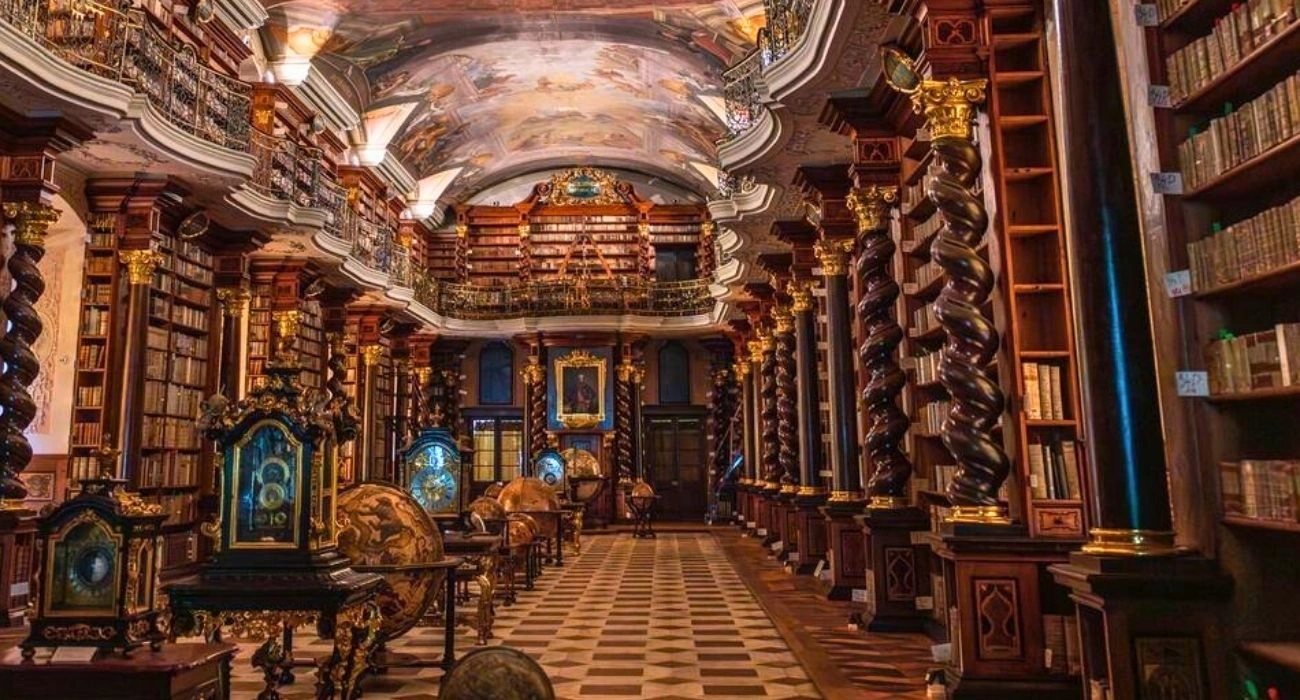
Poland's Great Libraries: Where the Nation's Memory Lives
From medieval manuscripts and royal archives to wartime survival and cultural preservation, Poland's greatest libraries reveal how a nation's identity can endure through centuries of triumph and tragedy.
Places Where Centuries Still Whisper
Every country has its castles, palaces, and cathedrals. Yet there are other places, often quieter and less visible, where the soul of a nation is preserved just as faithfully. In Poland, those places are its great libraries.
Far more than repositories of books, these institutions serve as guardians of memory. Their collections contain royal documents, medieval manuscripts, ancient maps, scientific discoveries, and the handwritten works of poets, scholars, and statesmen. Across centuries marked by war, occupation, and political upheaval, many of these treasures survived only because librarians, scholars, and ordinary citizens risked everything to protect them.
To visit Poland's great libraries is therefore not simply to enter a building filled with books. It is to travel through the history of Poland itself.
The Jagiellonian Library: Six Centuries of Learning
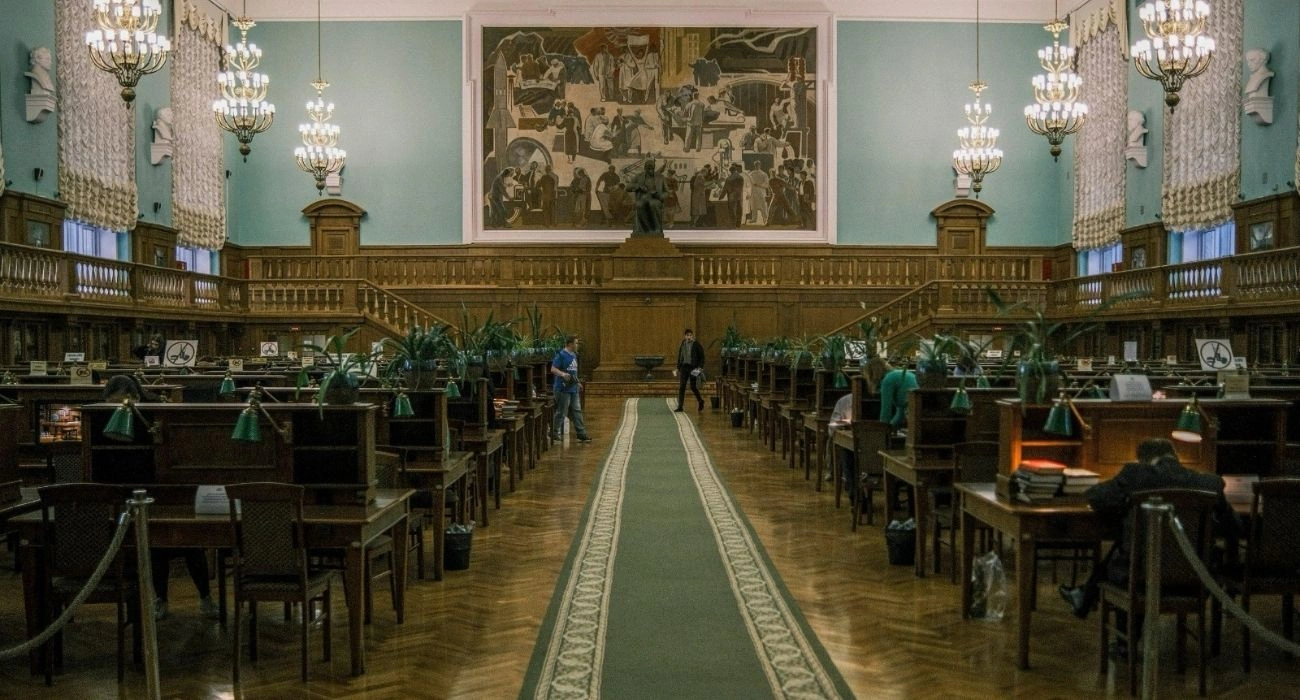
In the historic city of Kraków, Poland's former royal capital, stands one of Central Europe's greatest intellectual institutions: the Jagiellonian Library.
Its history began in 1364 with the founding of the University of Kraków by King Casimir the Great. Over more than six centuries, generations of scholars transformed the library into a remarkable collection containing over six million volumes.
Among its greatest treasures are the medieval manuscript of Bogurodzica, considered the oldest known Polish hymn, documents connected with Nicolaus Copernicus, and the extraordinary sixteenth-century Codex of Balthasar Behem, whose illuminated pages offer a rare glimpse into everyday life during the Polish Renaissance.
During the Second World War, the library fell under German occupation. Despite this, much of its priceless collection survived. After the war, the institution also became home to the famous "Berlinka" collection, a group of manuscripts and rare books formerly belonging to the Prussian State Library in Berlin.
Walking through its reading rooms today, visitors can still sense the intellectual legacy of the scholars, scientists, and astronomers who helped shape European civilization.
Ossolineum: The Library That Crossed Borders
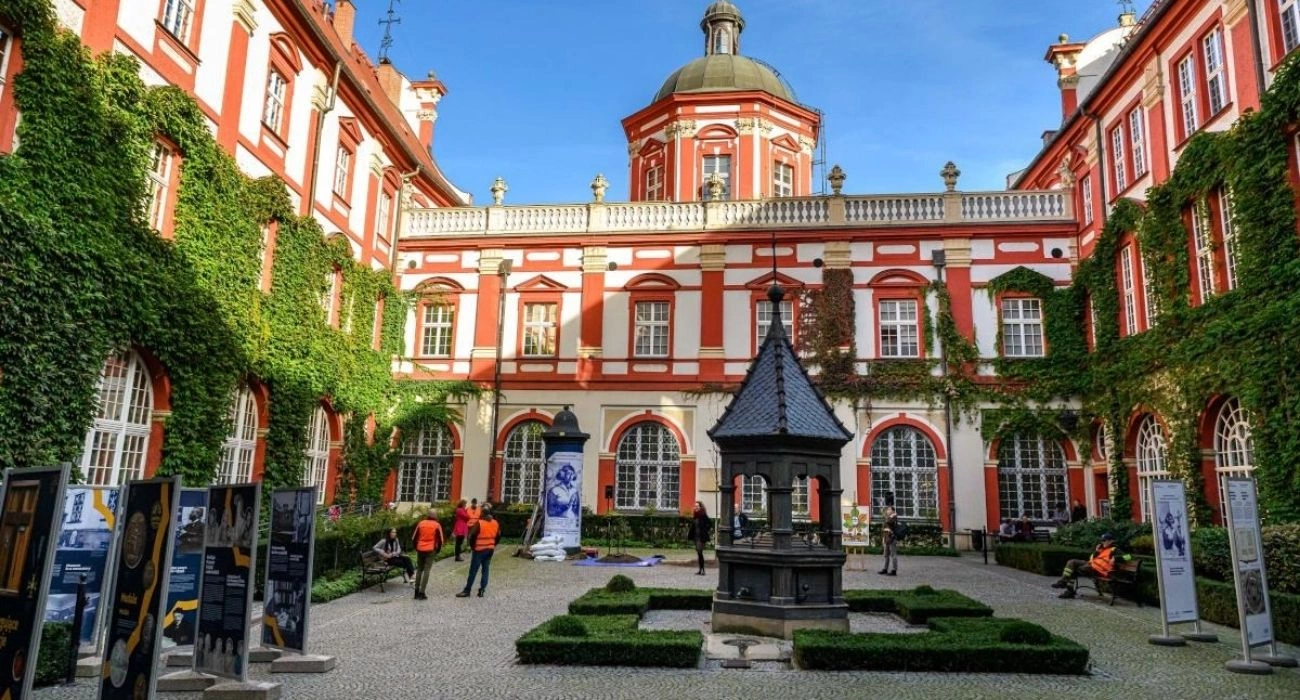
If the Jagiellonian Library represents continuity, the Ossolineum represents resilience.
Founded in 1817 by Count Józef Maksymilian Ossoliński, the institution originally stood in Lwów, today's Lviv in Ukraine. For generations, it served as one of the most important centers of Polish culture, scholarship, and national identity.
Its collections include some of Poland's greatest literary treasures, among them the original manuscript of Pan Tadeusz, the national epic written by Adam Mickiewicz. Thousands of manuscripts, letters, and historical documents preserved within its archives tell the story of Poland's intellectual life.
The Second World War dramatically altered the library's fate. When Poland's borders shifted westward, only part of the collection could be transported to Wrocław. Another part remained in Lviv.
The story of the Ossolineum therefore reflects not only the history of a library, but also the history of a nation forced to preserve its identity across changing borders.
The National Library: A Phoenix Rising from Destruction
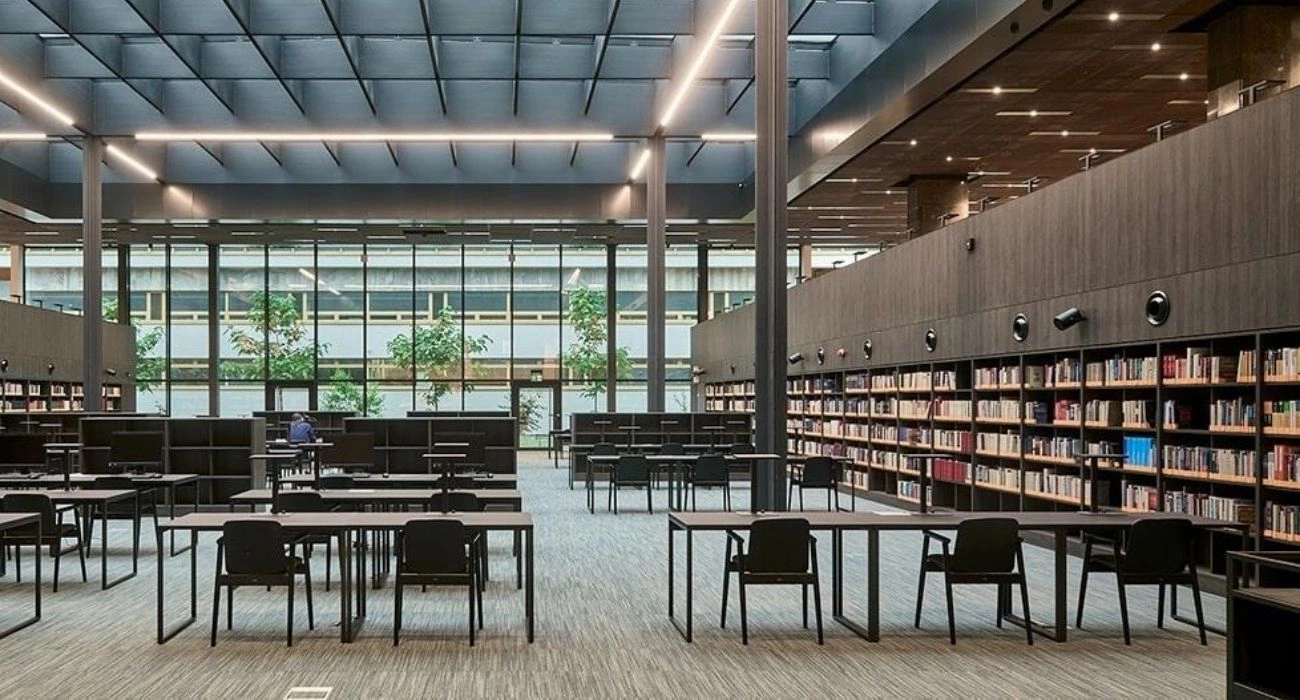
While some libraries survived through relocation, others survived through reconstruction.
The National Library of Poland traces its origins to the eighteenth-century Załuski Library, one of Europe's earliest public libraries. Today, it serves as the country's principal repository of written heritage.
Its greatest tragedy occurred during the Second World War. Following the Warsaw Uprising of 1944, German forces systematically destroyed vast portions of the library's collections. Hundreds of thousands of manuscripts, maps, and rare publications were lost forever.
The destruction represented one of the greatest cultural catastrophes in European library history.
Yet despite these losses, the National Library endured. Rebuilt after the war and continuously expanded, it remains one of the most important guardians of Polish literature, scholarship, and collective memory.
The Kórnik Library: A Hidden Treasury Within Castle Walls
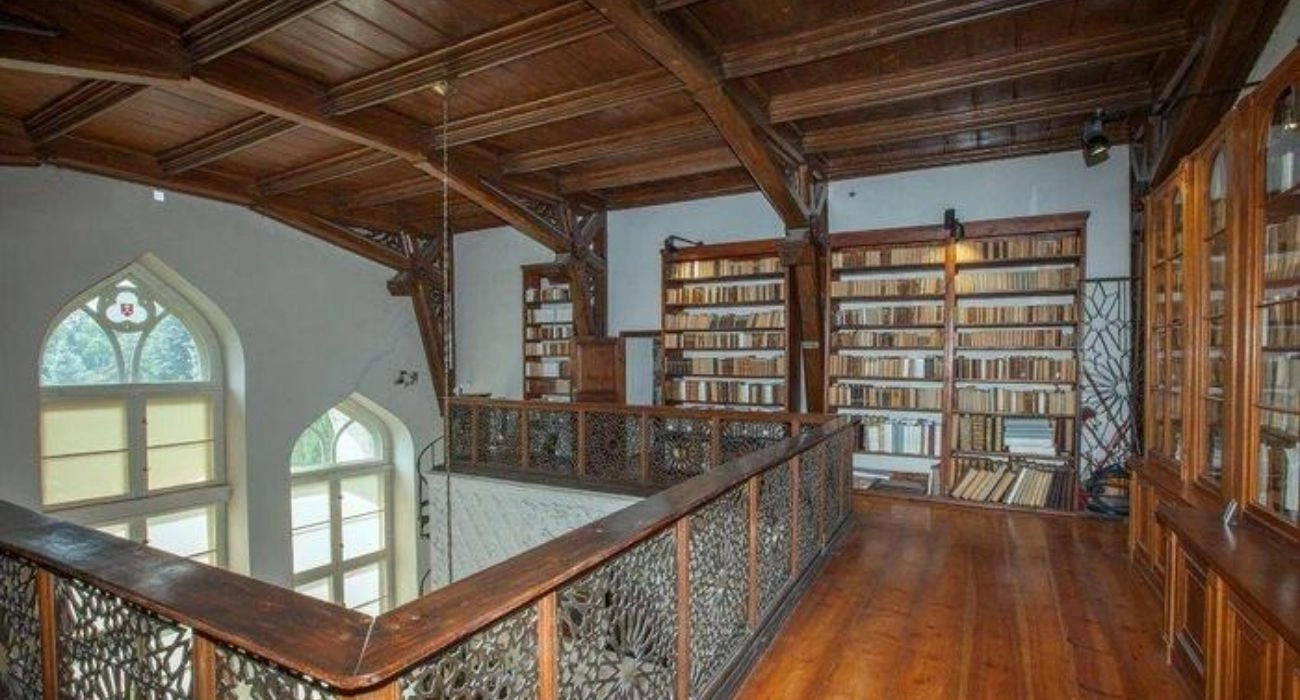
Not all of Poland's greatest libraries stand in large cities.
South of Poznań, inside the romantic Kórnik Castle, lies one of the country's most remarkable collections of historical documents and manuscripts.
Its founder, Count Tytus Działyński, devoted his life to preserving Poland's cultural memory during a period when the country itself disappeared from the political map of Europe. Through his efforts, royal documents, maps, manuscripts, and records of national uprisings were preserved for future generations.
Unlike many modern libraries, Kórnik feels less like an archive and more like a hidden treasury.
Although threatened during the Second World War, much of its collection survived thanks to the dedication and courage of those responsible for protecting it.
Today, researchers from around the world continue to visit Kórnik in search of the historical treasures preserved within its walls.
The Raczyński Library: Knowledge for Everyone
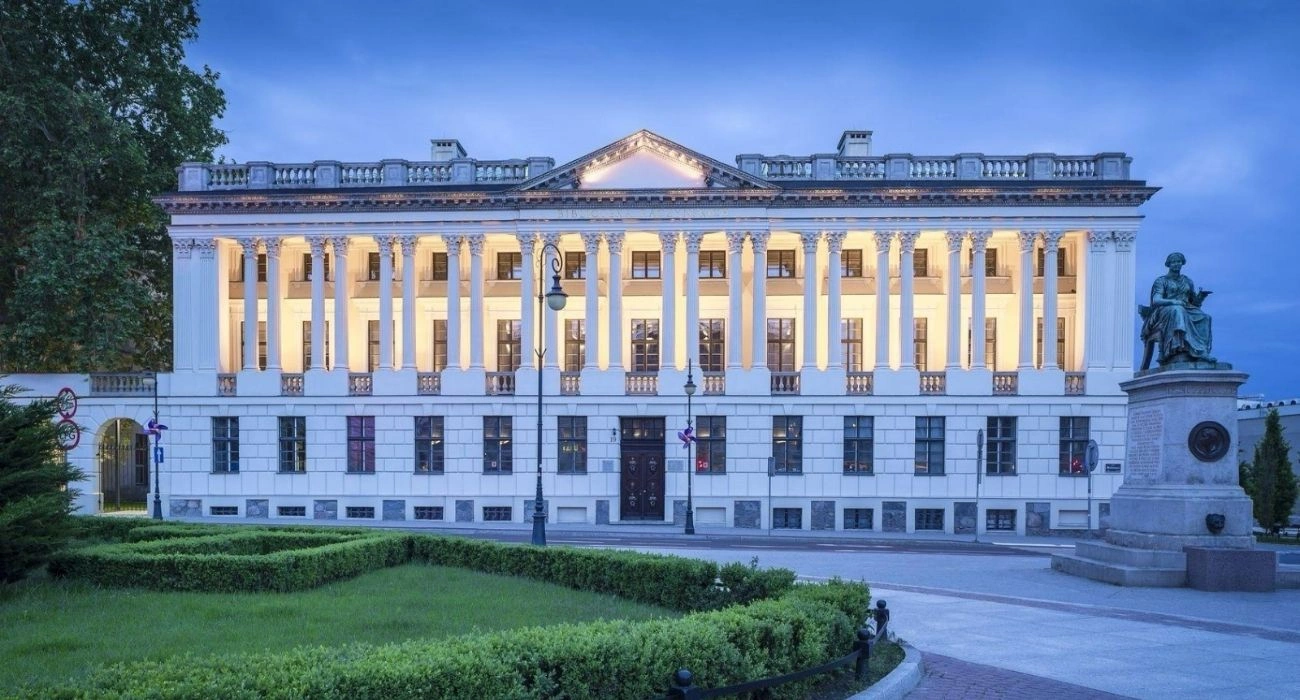
During the nineteenth century, when Poland remained divided between foreign powers, preserving knowledge became an act of patriotism.
Count Edward Raczyński believed that education should be accessible to all people, regardless of social status. In 1829, he established the Raczyński Library in Poznań, creating one of the most progressive public institutions of its time.
The library quickly became an important intellectual center, serving students, writers, scholars, and citizens alike.
Although heavily damaged during the Second World War, the institution was rebuilt and continues to fulfill its original mission nearly two centuries later: ensuring that knowledge remains available to everyone.
The Dominican Library: Where the Middle Ages Still Survive
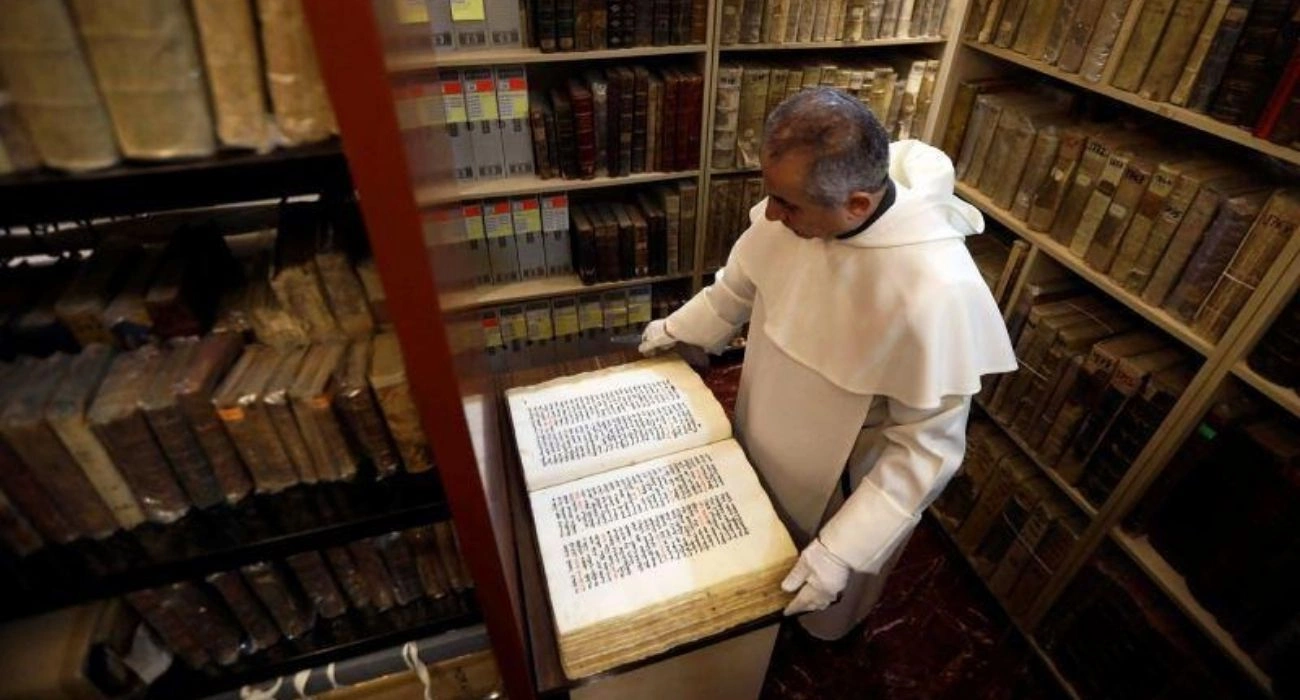
Hidden among the churches and monasteries of Kraków stands one of Poland's oldest surviving libraries.
For centuries, Dominican monks copied manuscripts, preserved chronicles, and collected theological works, creating a remarkable archive of medieval intellectual life.
Ironically, the library's greatest tragedy came not through war but through the devastating fire that swept through Kraków in 1850, destroying countless irreplaceable manuscripts.
Yet despite this loss, the library survived.
Today, visitors entering its halls experience something increasingly rare in the modern world: a direct connection with centuries of scholarship, faith, and human memory.
- The Jagiellonian Library houses one of Europe's oldest university collections.
- The Ossolineum was physically relocated after World War II due to changing borders.
- The National Library lost hundreds of thousands of historical works during World War II.
Contribution to Society
Poland's great libraries preserve not only literature and historical documents but also the collective memory of a nation that repeatedly faced war, occupation, and political transformation. They continue supporting education, scientific research, cultural preservation, and international scholarship while reminding future generations of the importance of protecting cultural heritage.
The Memory of a Nation Written on Paper
Poland's great libraries are much more than architectural landmarks or collections of rare books. They are living monuments to resilience, knowledge, and cultural continuity. Within their walls rest the voices of kings, scientists, poets, scholars, and ordinary citizens whose experiences shaped the history of a nation that repeatedly faced destruction yet never abandoned its identity. Their survival reminds us that preserving culture is not merely about protecting objects from the past; it is about safeguarding the memory, values, and stories that allow societies to understand who they were, who they are, and who they hope to become. Perhaps that is why these libraries continue to inspire such profound respect: because every manuscript, every map, and every faded page quietly reminds us that nations endure as long as they remember.
Categories
Tagged in this story
Image sources