
Protecting History Beneath the Waves: The Future of Underwater Cultural Heritage
Written by Admin • 2026-10-23 01:23:00
Topics
Submerged historical sites preserve important evidence of human history. New research and monitoring methods are helping experts understand how to protect them.
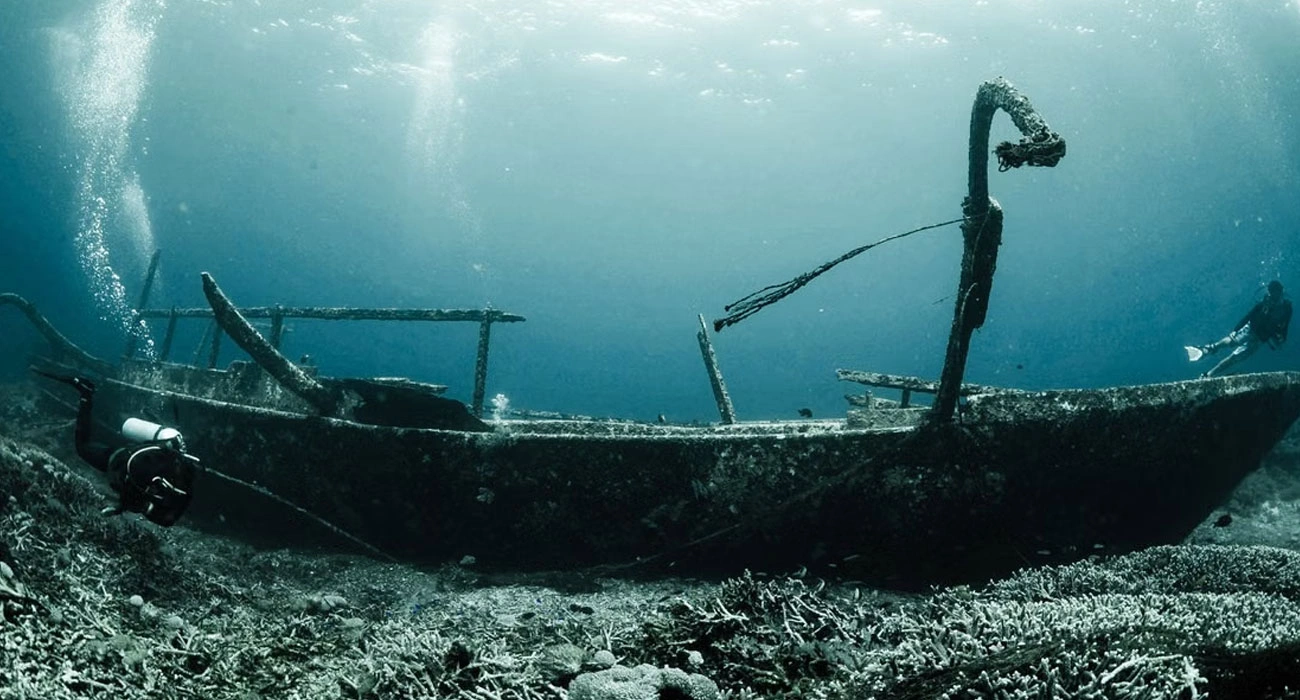
Protecting History Beneath the Waves
The Future of Underwater Cultural Heritage
What Counts as Underwater Cultural Heritage?
Underwater cultural heritage encompasses shipwrecks, submerged settlements, historic harbour structures, and archaeological remains, each serving as a testament to human activity below the waves. These sites may hold archaeological, historical, scientific, or cultural significance, providing insights into ancient trade routes, settlement patterns, and technological advancements. However, not every submerged object qualifies for legal protection under existing national or international frameworks, which often leads to a lack of recognition and preservation efforts for many sites.
Why the Underwater Past Is Difficult to Protect
Protecting underwater heritage presents significant challenges, including limited visibility, depth, and access to sites, which can hinder survey efforts. The costs associated with underwater archaeology and changing environmental conditions further complicate monitoring and preservation. Additionally, there exists a tension between preserving a site in situ, conducting necessary research, and recovering artifacts. Effective interventions must be guided by archaeological expertise, legal frameworks, and a commitment to preserving the underwater context.
Climate Change and the Changing Marine Environment
A peer-reviewed study published in Communications Earth & Environment in 2026 highlighted the risks posed by climate change and ocean acidification to underwater cultural heritage. These environmental changes can alter the preservation conditions of various materials, with impacts varying based on local water chemistry, sediment composition, and temperature. Understanding these dynamics is crucial for developing effective strategies to protect submerged sites from further deterioration.
Technology for Discovering and Monitoring Submerged Sites
Advancements in technology are revolutionizing the way researchers discover and monitor submerged sites. Techniques such as remote sensing, sonar surveys, and environmental sampling are essential for documenting archaeological sites and assessing their conditions. A 2026 review emphasized the importance of integrating these methods into a cohesive framework for marine environmental archaeology, enabling more effective management and protection of underwater cultural heritage.
Protecting underwater heritage means preserving the context that allows the past to be understood.— Cultural Heritage Expert
Facts & Insights
- A 2026 peer-reviewed study examined the risks that climate change and ocean acidification pose to underwater cultural heritage.
- A 2026 policy paper examined why underwater cultural heritage remains underrepresented within the UNESCO 1972 World Heritage framework.
- Remote sensing, environmental sampling, and repeated monitoring are among the approaches discussed in 2026 research on improving underwater cultural heritage management.
2026
Research focus
3
Monitoring approaches
2001
UNESCO Convention
1972
World Heritage Convention
Keeping the Past Alive Beneath the Waves
Underwater cultural heritage provides a unique glimpse into human history, but its preservation necessitates ongoing attention and action. With the dual threats of environmental change and insufficient legal recognition, the need for comprehensive documentation, monitoring, and governance becomes increasingly urgent. Through innovative approaches and collaborative efforts, heritage professionals can safeguard these submerged sites, ensuring that future generations can appreciate and learn from the rich history they contain.
Categories
Tagged in this story
Image sources
Pexels - Photo by adiprayogo liemena