
Railway Heritage Is Inspiring a New Generation of Cultural Travel
Written by Admin • 2026-07-16 01:36:00
Topics
Railway heritage is emerging as a significant aspect of cultural travel, attracting tourists to explore the history and architecture of historic railways and stations. These destinations not only preserve engineering achievements but also support regional economies while fostering meaningful travel experiences.
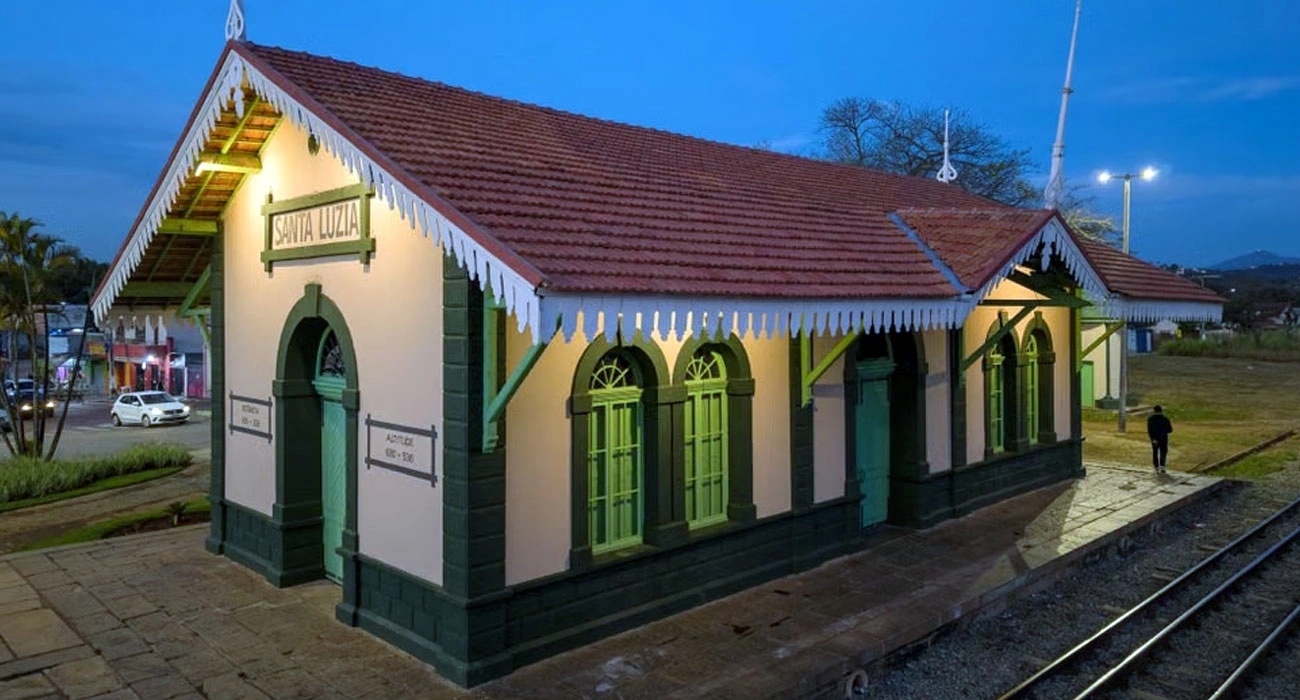
Railway Heritage Is Inspiring a New Generation of Cultural Travel
Exploring the intersection of history, tourism, and community through historic railways.
The Allure of Railway Heritage
Railway heritage is not merely about nostalgia; it encapsulates a rich tapestry of history, architecture, and engineering that captivates travelers. As historic railway stations and heritage railways gain popularity, they serve as cultural destinations that attract tourists seeking slow tourism and immersive experiences. The revival of these sites is a testament to their significance, as they offer insights into local history and cultural identity. By preserving these landmarks, communities are not only maintaining a connection to their past but also crafting unique narratives that resonate with visitors from around the globe.
Travelers today are increasingly drawn to the stories behind the destinations they visit. Historic railways provide an opportunity to explore the fusion of mobility and history, where each journey becomes a narrative of its own. From the architectural beauty of vintage stations to the scenic routes taken by heritage trains, these experiences foster a deeper appreciation for the craftsmanship and engineering prowess that shaped our transportation systems. As communities recognize the importance of these heritage sites, they are reinvigorating local economies and encouraging a new generation of cultural tourism.
The Impact of Heritage Tourism
Heritage tourism centered around railway systems is not just a trend; it has tangible benefits for regions and communities. Historic railways contribute to the preservation of engineering history, offering visitors a glimpse into the innovations that have transformed travel. Railway museums and restored stations serve as educational platforms, showcasing the importance of these infrastructures in shaping society. Moreover, heritage train routes stimulate regional economies by attracting tourists who seek authentic experiences, thus fostering community engagement and local pride.
As the world increasingly embraces sustainable tourism, railway heritage exemplifies how travel can be both enriching and responsible. By integrating cultural experiences with environmental consciousness, heritage railways promote a future where tourism supports rather than detracts from local ecosystems. This balance is vital for ensuring that future generations can continue to explore and appreciate the stories embedded in our shared history.
Every railway carries both passengers and stories.— Unknown
Facts & Insights
- Historic railways attract cultural tourism.
- Railway museums preserve engineering history.
- Heritage routes support regional economies.
200+
Heritage Railways
1
Journey - Living History
100+ Yrs
Engineering Legacy
1
Future - Sustainable Tourism
A Legacy of Connection
Railway heritage is a powerful reminder that transportation is about more than just reaching a destination. By preserving historic railways and stations, communities safeguard the stories of innovation, craftsmanship, and human connection that define our shared history. This legacy fosters meaningful travel experiences, enriching the lives of both visitors and locals. As we embrace the future of cultural tourism, it is essential to recognize the value of these historical treasures and their role in shaping our understanding of the past and present.
Ultimately, the revival and appreciation of railway heritage signify a commitment to preserving not only physical structures but also the narratives that breathe life into our travels. As we embark on journeys along these historic routes, we connect with the essence of human ingenuity and creativity, ensuring that future generations will continue to explore and cherish the cultural destinations shaped by our railway heritage.
Categories
Tagged in this story
Image sources
Pexels - Photo by Malcoln Oliveira