
Rare Earths Are Rewriting the Map of Global Industry
Written by Admin • 2026-08-31 01:05:00
Rare earths may sound obscure, but they sit at the center of some of the world's most important technologies. As countries rethink critical supply chains, Brazil is emerging as a potential new force in the global minerals race.
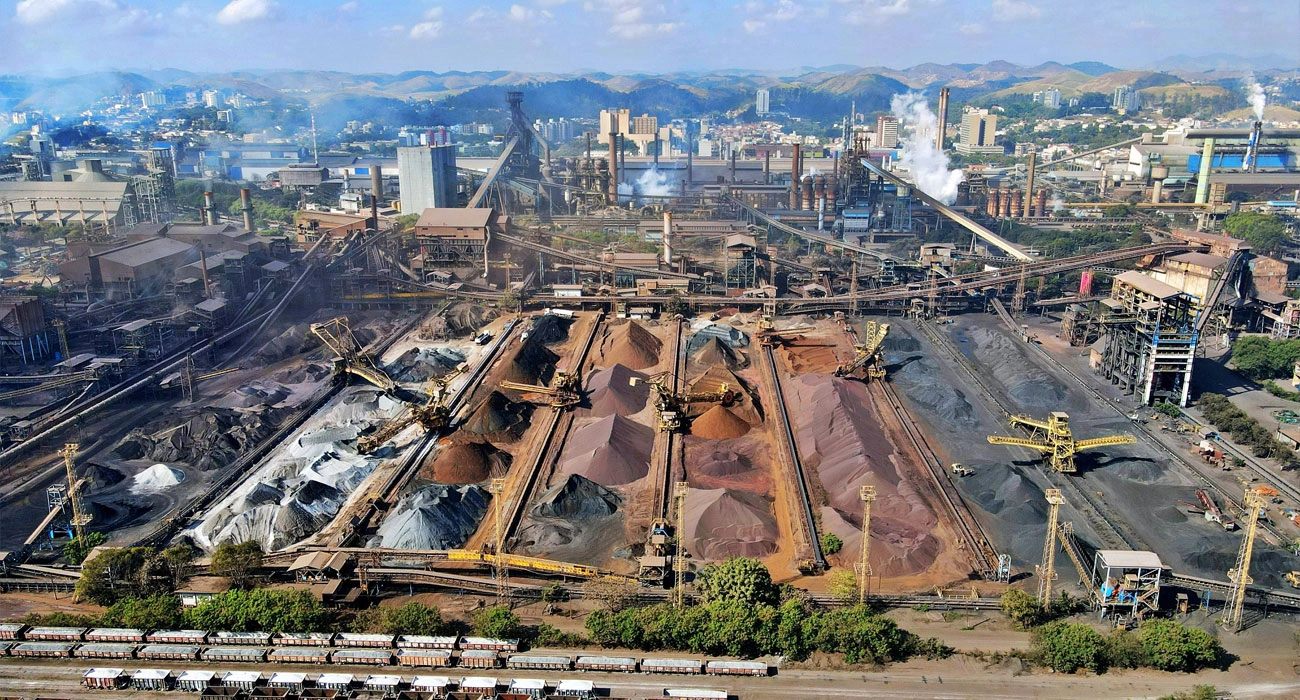
Rare Earths Are Rewriting the Map of Global Industry
Exploring the strategic importance of rare earth elements in the modern technological landscape.
The Minerals Hidden Inside Modern Life
Rare earth elements (REEs) are critical components in a myriad of modern technologies. From electric vehicles and wind turbines to cutting-edge electronics, these minerals are essential for the production of high-performance components. Despite their significance, many consumers remain unaware of their existence and importance. The supply chains for these elements are highly concentrated, with a significant portion of the world's rare earth mining and processing capacity controlled by a few countries, notably China. This concentration raises concerns about supply security and geopolitical influence, prompting governments and industries to seek alternative sources.
The strategic importance of rare earths goes beyond just their utility in technology. They are pivotal for energy transition initiatives, making them a focal point in discussions about sustainable development and economic security. As nations aim to reduce their dependency on established suppliers, the quest for new sources of rare earths has intensified, turning the spotlight on emerging players like Brazil, which is poised to become a significant contributor to the global supply chain.
Brazil Enters the Race
Brazil's Serra Verde project in Minaçu represents a timely and significant development in the global rare earth landscape. With over $1 billion in investment, this project aims to become a major non-Chinese source of heavy rare earths, including dysprosium and terbium. These materials are crucial for high-tech applications and are increasingly sought after as industries transition to greener technologies. The Serra Verde project not only positions Brazil as a key player in the rare earth market but also reflects a growing recognition of the country's potential to reshape global supply chains.
As Brazil steps into the spotlight, the implications for local economies are profound. The Serra Verde project is expected to drive economic transformation in the Minaçu region, creating jobs and stimulating growth. However, it also raises important questions about the local impact and the sustainability of such developments. The balance between economic benefits and environmental stewardship will be crucial as Brazil navigates its role in the global rare earth race.
The rare-earth race is about more than mining; it's about who will control the materials needed to build the next generation of technology.— Industry Expert
The Environmental and Social Questions
The drive for rare earths, while promising economic benefits, is not without its challenges. Environmental concerns regarding mining practices, habitat destruction, and pollution come to the forefront. Additionally, the social implications for communities involved in these projects need to be addressed. Who benefits from the extraction of these resources, and at what cost? Ensuring that local populations reap the rewards of rare earth development is essential for fostering goodwill and long-term sustainability.
Moreover, Brazil's experience can serve as a litmus test for the global mining industry. The mistakes of the past, where extractive industries have often left communities impoverished and environments degraded, must not be repeated. The path forward should prioritize responsible mining practices, community engagement, and comprehensive environmental assessments to align the interests of industry, government, and local populations.
Facts & Insights
- Rare earth elements are important inputs for technologies including electric vehicles, wind turbines and advanced electronics.
- China currently dominates much of the world's rare-earth mining and processing capacity.
- Brazil's Serra Verde project is being developed as a major non-Chinese source of heavy rare earth elements.
Can New Producers Diversify the Global Supply Chain?
The emergence of Brazil as a significant player in the rare earth market raises critical questions about the future of global supply chains. Can new producers like Serra Verde effectively diversify the supply chain and reduce reliance on established monopolies? As countries seek to enhance their supply chain security, the success of these new projects could shift the balance of power in the industry. The broader implications for technological advancement and economic competitiveness cannot be overstated.
The rare-earth race is ultimately about more than mining. It is about who will have the materials needed to build the next generation of technology—and who will capture the economic value created along the way. Brazil's emerging role shows how resource-rich regions can become strategically important again, but it also raises a difficult question: can critical-mineral development create lasting prosperity without repeating the mistakes of extractive industries of the past?
$1B+
Serra Verde Investment
2
Key Heavy Rare Earths Highlighted
3+
Major Technology Applications
1
Emerging Non-Chinese Supply Source
Categories
Tagged in this story
Image sources
Pexels - Photo by Tulio Mattos