
Restoring the World’s Forests: Why Restoration Is Becoming an Economic Opportunity
Written by Admin • 2026-10-05 01:06:00
Topics
Forest restoration is becoming more than an environmental mission. With the right investment and community-led models, restoring degraded landscapes can create jobs, strengthen food systems, and generate long-term economic value.
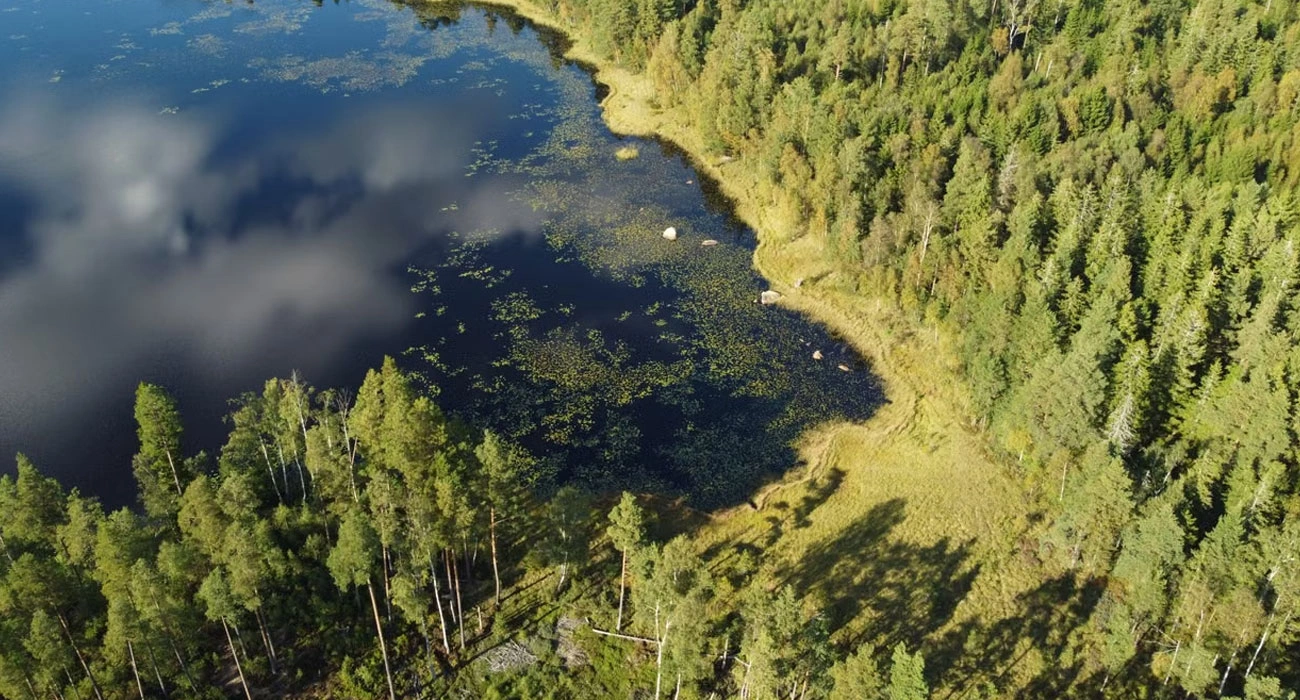
Restoring the World’s Forests: Why Restoration Is Becoming an Economic Opportunity
Forest restoration is increasingly being viewed not simply as an environmental responsibility, but as an economic opportunity.
The Scale of Degraded Land
Globally, around 1.56 billion hectares of land are degraded, presenting a significant challenge for environmental conservation and sustainable development. The Food and Agriculture Organization (FAO) estimates that approximately 470 million hectares need to be restored by 2030 to meet current environmental targets. This restoration is not just about environmental recovery; it represents a crucial opportunity to enhance livelihoods, build resilience, and contribute to economic growth. The urgency of the restoration challenge calls for innovative solutions that integrate ecological values with economic incentives.
From Planting Trees to Restoring Landscapes
Restoration goes beyond simple tree planting; it encompasses a holistic approach to rebuilding entire landscapes. This means integrating forests, agriculture, water management, and soil health into a unified effort that benefits both nature and local communities. Effective restoration acknowledges the interconnections between ecosystems and human activities, promoting sustainable land management practices that enhance biodiversity while supporting agricultural productivity. By involving local communities in restoration efforts, we can tap into traditional knowledge and ensure that the initiatives are tailored to the specific needs and conditions of the area.
The Business Case for Restoration
The economic value of restoration is substantial, with every dollar invested in restoration projected to generate up to $30 in benefits. This potential return on investment highlights the importance of restoration not just as an environmental necessity but as a viable business opportunity. Jobs created through restoration efforts can strengthen local economies, support resilient production systems, and foster investment in sustainable land management. As the restoration economy grows, it will create a new market for nature-based businesses, stimulating innovation and encouraging the development of sustainable practices that benefit both people and the planet.
Doing nothing costs more than fixing the problem.— Food and Agriculture Organization, State of the World's Forests 2026.
Building a Restoration Economy
As the global restoration movement gains momentum, finance and innovative business models will be essential for scaling up efforts. This includes developing partnerships between governments, businesses, and local communities to invest in restoration projects that deliver long-term benefits. Nature-based enterprises that focus on agroforestry, sustainable forestry, and ecosystem services can play a pivotal role in this new economy. By fostering local stewardship and encouraging participatory approaches to land management, we can ensure that restoration initiatives are sustainable and economically viable.
Facts & Insights
- FAO estimates that around 1.56 billion hectares of land are degraded globally, including approximately 460 million hectares of forest land.
- More than 206 million hectares are currently under restoration across 62 countries.
- Restoring 1 billion hectares of degraded land could generate up to $1.8 trillion in annual benefits under the conditions described by FAO.
The future of forest restoration will depend on connecting environmental ambition with economic reality. Effective restoration requires investment, skilled workers, local participation, and business models that sustain projects beyond initial funding. As the world seeks to strengthen food systems, biodiversity, and climate resilience, restoring landscapes presents a clear example of how environmental recovery can create lasting economic value. This emerging restoration economy represents a broader view of sustainability: investing in conditions that allow nature, communities, and economies to thrive together.
Categories
Tagged in this story
Image sources
Pexels - Photo by Хитрый Хряк