
Shared Heritage, New Stages: How Southeast Asian Artists Are Creating Across Borders
Written by Admin • 2026-10-08 01:11:00
Artists from Indonesia, Malaysia, and Singapore are reinterpreting shared Southeast Asian heritage through contemporary performance, showing how cultural traditions can remain alive by evolving across borders.
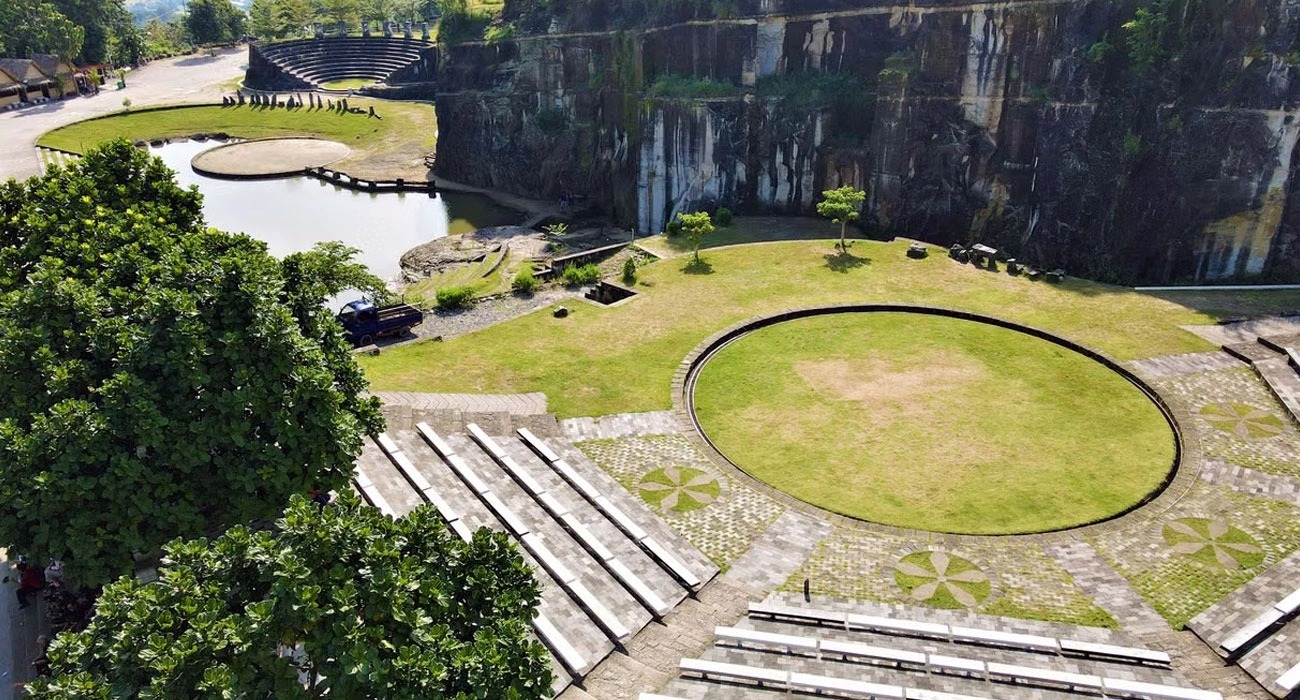
Shared Heritage, New Stages
How Southeast Asian Artists Are Creating Across Borders
Culture That Crosses Borders
Southeast Asia is a tapestry of cultures woven together through centuries of migration, trade, and artistic exchange. The interconnected histories of Indonesia, Malaysia, and Singapore have given rise to a rich cultural landscape where traditions and practices often transcend national boundaries. This dynamic cultural exchange allows artists to draw inspiration from a shared heritage, resulting in innovative performances that reflect a collective identity rather than individual national narratives. By embracing this shared cultural past, artists are not only preserving traditions but also adapting them to resonate with contemporary audiences.
The historical movements of people and ideas across these nations have created a fertile ground for artistic collaboration. As artists engage with one another, they are compelled to reflect on their commonalities and differences, ultimately enriching their creative processes and outputs. This collaborative approach encourages a deeper understanding of each country's unique cultural contributions, fostering a sense of unity in diversity.
From Shared History to Shared Creation
The UNESCO and Temasek Foundation initiative, 'Embracing Shared Heritage Through Performing Arts', aims to bring together artists and cultural practitioners from Indonesia, Malaysia, and Singapore. This program emphasizes collaboration over mere preservation, encouraging participants to explore their shared histories through contemporary artistic creation. Instead of presenting heritage as a static relic of the past, the program invites artists to reinterpret and innovate upon traditional practices, creating performances that resonate with today's audiences.
Running from 2025 to 2027, the initiative targets at least 180 artists and artisans, along with 300 college-level students. Throughout 2026, artists from all three countries will engage in workshops and co-creation sessions, culminating in public performances in Yogyakarta. This collaborative environment not only strengthens cultural ties but also provides platforms for artists to develop new works that reflect their evolving identities within a shared Southeast Asian context.
Rather than presenting heritage as fixed or homogeneous, Rumah dari Lidah reflects on heritage as something living, evolving and continually shaped through encounters between people and cultures.— UNESCO
Three Countries, One Creative Conversation
The workshops and exchanges facilitated by the UNESCO program are designed to foster a 'creative conversation' among artists from Indonesia, Malaysia, and Singapore. This dialogue encourages participants to share their unique perspectives while exploring common themes and narratives. By collaborating, artists can create works that reflect a synthesis of their cultural backgrounds, leading to innovative performances that celebrate shared heritage.
Through these interactions, artists are exposed to diverse techniques and methodologies, enriching their own practices. This cross-pollination of ideas not only enhances individual creativity but also contributes to a broader understanding of regional artistic traditions. The resulting performances are a testament to the power of collaboration, showcasing how cultural exchange can lead to new and exciting forms of expression.
HUTAN and Rumah dari Lidah
The 2026 performances, 'HUTAN' and 'Rumah dari Lidah', exemplify how shared heritage can be transformed into contemporary performance art. These productions draw upon the rich cultural tapestry of the region, incorporating elements from various traditions into a cohesive narrative. 'HUTAN', for instance, explores the relationship between nature and culture, while 'Rumah dari Lidah' serves as a platform for dialogue around identity and belonging.
Both performances highlight the importance of collaboration in the arts, demonstrating how artists can reinterpret traditional narratives to create works that speak to contemporary issues. By engaging with their shared heritage in this way, the artists not only honor the past but also pave the way for future generations to continue exploring and evolving cultural expressions.
Facts & Insights
- UNESCO's programme brings together performing artists and cultural practitioners from Indonesia, Malaysia and Singapore.
- The wider programme targets at least 180 artists and artisans and 300 college-level students.
- The 2026 programme culminates in Yogyakarta performances including HUTAN and Rumah dari Lidah in October.
3
Participating countries
180+
Artists & artisans targeted
300
College students targeted
2
2026 co-created performances
Keeping Heritage Alive by Letting It Evolve
The collaboration between artists from Indonesia, Malaysia, and Singapore demonstrates that cultural heritage does not have to be preserved by keeping it unchanged. Traditions can remain meaningful when new generations are given opportunities to reinterpret them, question them, and place them in conversation with neighboring cultures. The UNESCO programme creates that space by combining training, exchange, and artistic co-creation, allowing shared histories to become new cultural experiences.
The resulting performances in Yogyakarta show how the arts can connect communities not only through what they inherited but through what they are capable of creating together. For BritishPEDIA, this offers a valuable perspective on cultural legacy: sometimes the best way to preserve heritage is to give it room to become something new.
Categories
Tagged in this story
Image sources
Pexels - Photo by AL FARIZ