
Singapore's Park Connector Network Is Redefining Urban Exploration
Written by Admin • 2026-07-15 01:59:00
Topics
Singapore's Park Connector Network (PCN) is revolutionizing urban exploration by linking parks, neighborhoods, and nature reserves through an extensive network of green pathways. This initiative not only enhances accessibility but also promotes cycling, walking, and sustainable mobility, encouraging a healthier lifestyle among residents and visitors alike.
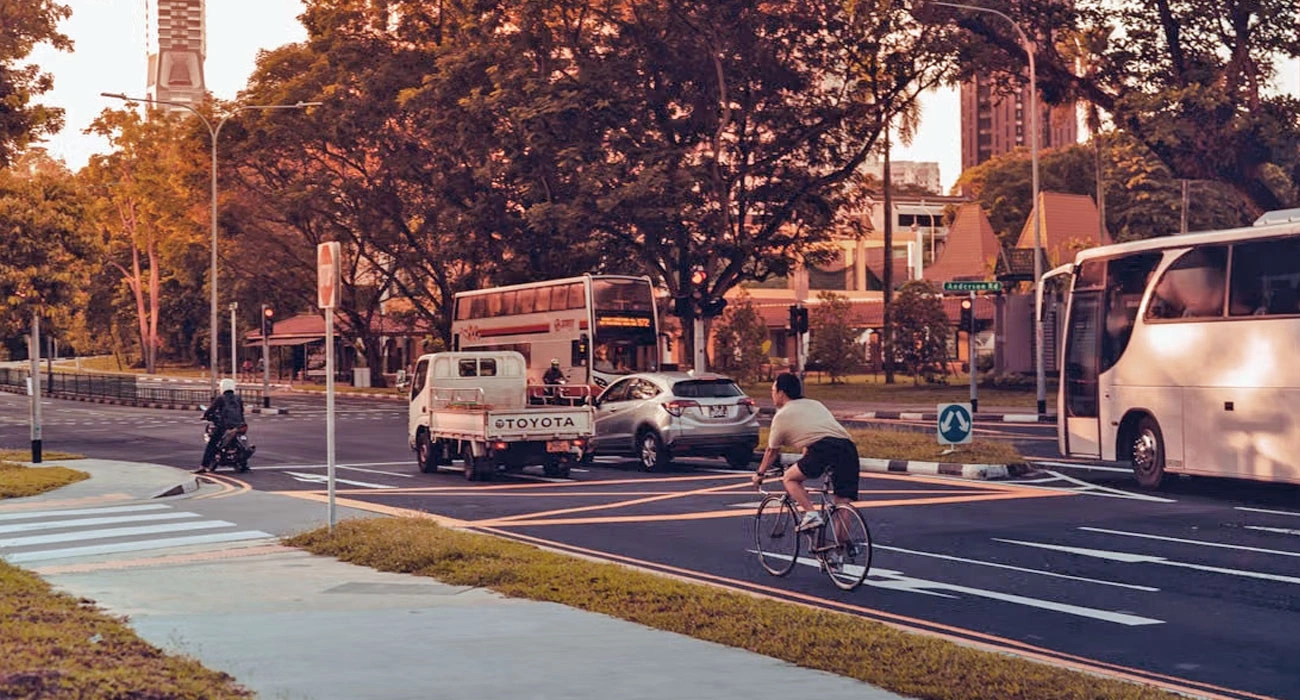
Singapore's Park Connector Network Is Redefining Urban Exploration
Discover the extensive network that connects the city through nature
Transforming Urban Experience
The Singapore Park Connector Network has transformed how people experience the city by linking parks, nature reserves, and neighborhoods through an extensive network of green pathways. This innovative approach to urban planning allows residents and visitors alike to explore Singapore's diverse landscapes while promoting a healthier lifestyle. The PCN serves as a vital resource, encouraging exploration and interaction with Singapore's natural beauty, making it an essential part of the city's identity.
Originally designed to improve accessibility between recreational spaces, the network now supports cycling, walking, healthy lifestyles, and sustainable mobility. With dedicated lanes for cyclists and walkers, the PCN fosters a culture of outdoor activities, inviting more people to engage with the environment. The integration of these pathways into the urban fabric underscores the importance of green mobility in creating a vibrant, livable city.
Its continued growth reflects Singapore's broader vision of creating a city where nature and urban life remain closely connected. By expanding the Park Connector Network, Singapore is not only enhancing accessibility but also promoting environmental awareness and community interaction. This commitment to sustainability is evident in the design and function of the PCN, which showcases how urban development can harmonize with nature.
Sometimes the best way to discover a city is one path at a time.— Unknown
Facts & Insights
- PCN connects parks across Singapore.
- Cycling continues growing in popularity.
- Green mobility supports healthier lifestyles.
300KM+
Connected Trails
1
Network
50+
Major Parks Linked
1
Goal: Healthy Mobility
Encouraging Active Living
The Park Connector Network plays a crucial role in encouraging active living, sustainable transportation, and environmental awareness. By providing a safe and enjoyable way for people to move between neighborhoods and parks, the PCN promotes a culture of health and well-being. Families can be seen walking beside waterfront greenery, while cyclists navigate the dedicated paths, showcasing the community's commitment to an active lifestyle.
Moreover, the PCN fosters a sense of community by connecting people to various urban parks and nature reserves. As more residents embrace cycling and walking as primary modes of transport, the network not only enhances mobility but also strengthens social bonds among users. This interconnectedness creates a shared space where individuals can engage with one another while enjoying the great outdoors.
In conclusion, the Park Connector Network has redefined how urban residents and visitors interact with Singapore's landscapes. By connecting neighborhoods through nature, it demonstrates that mobility, recreation, and environmental stewardship can successfully coexist within a modern city. The PCN stands as a testament to Singapore's dedication to sustainable urban development, providing a model for cities worldwide.
Categories
Tagged in this story
Image sources
Pexels - Photo by Jeffrey Marvin Forones