
Sławomir Bar: When Compassion Becomes Action
Written by Admin • 2026-08-24 03:30:00
For Sławomir Bar, compassion is not simply a principle to be preached; it is a responsibility to be practiced. From missionary work in Ukraine to building a comprehensive social-support network in Bydgoszcz, the Polish priest has dedicated his ministry to helping people regain dignity, independence and hope.
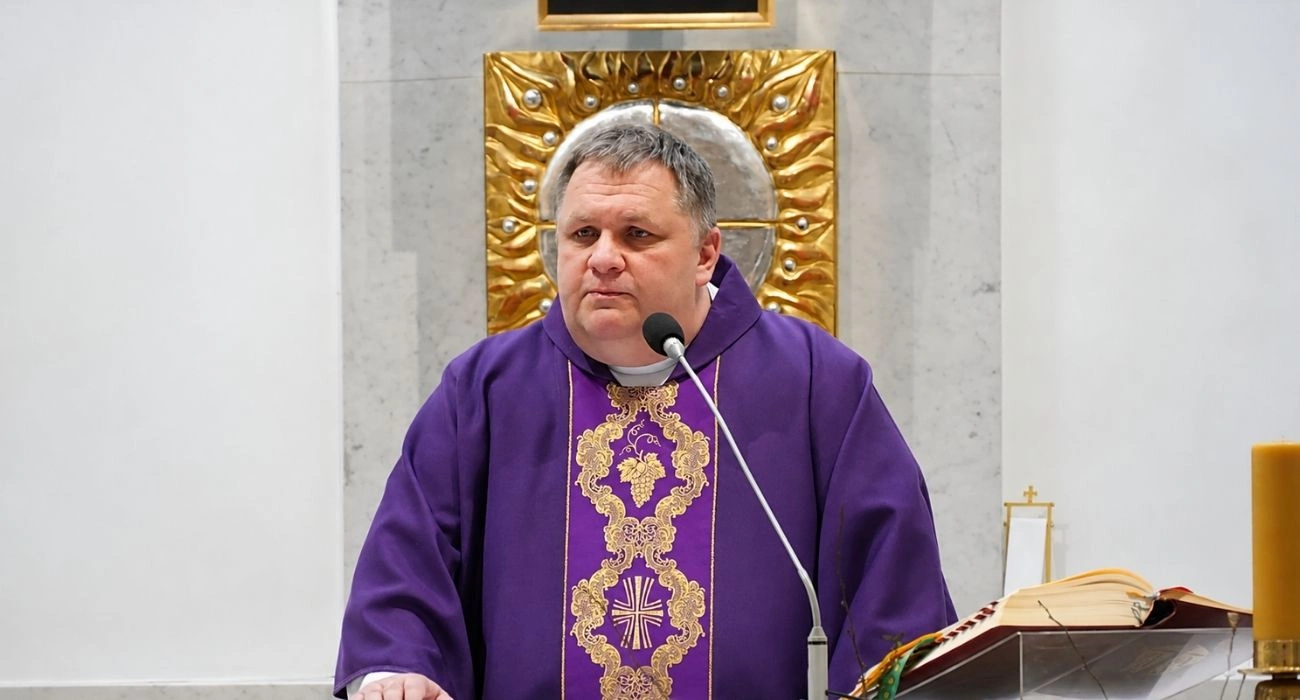
For Sławomir Bar, compassion is not simply something to preach; it is something to put into action. From missionary work in Ukraine to building social-support initiatives in Bydgoszcz, the Polish priest has dedicated his life to helping people facing homelessness, poverty, loneliness and social exclusion. His journey shows how faith can become a practical force for restoring dignity, creating opportunity and strengthening communities.
From a Family of Service to a Life of Calling
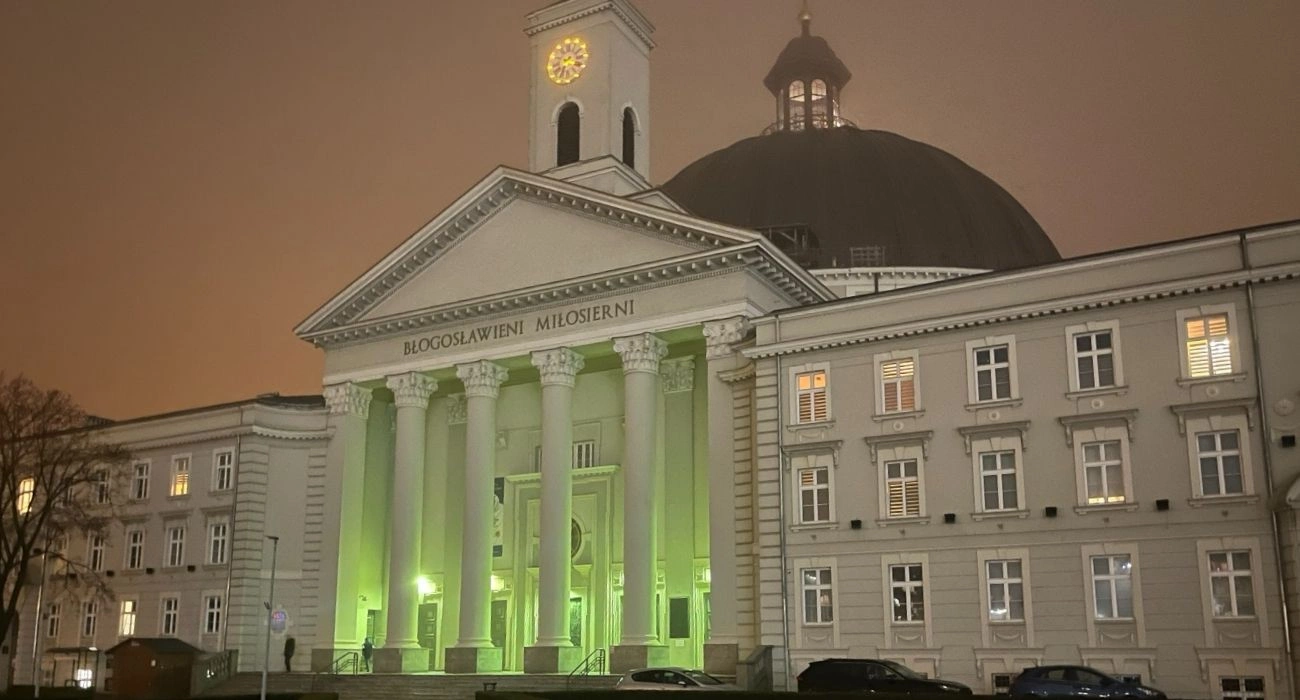
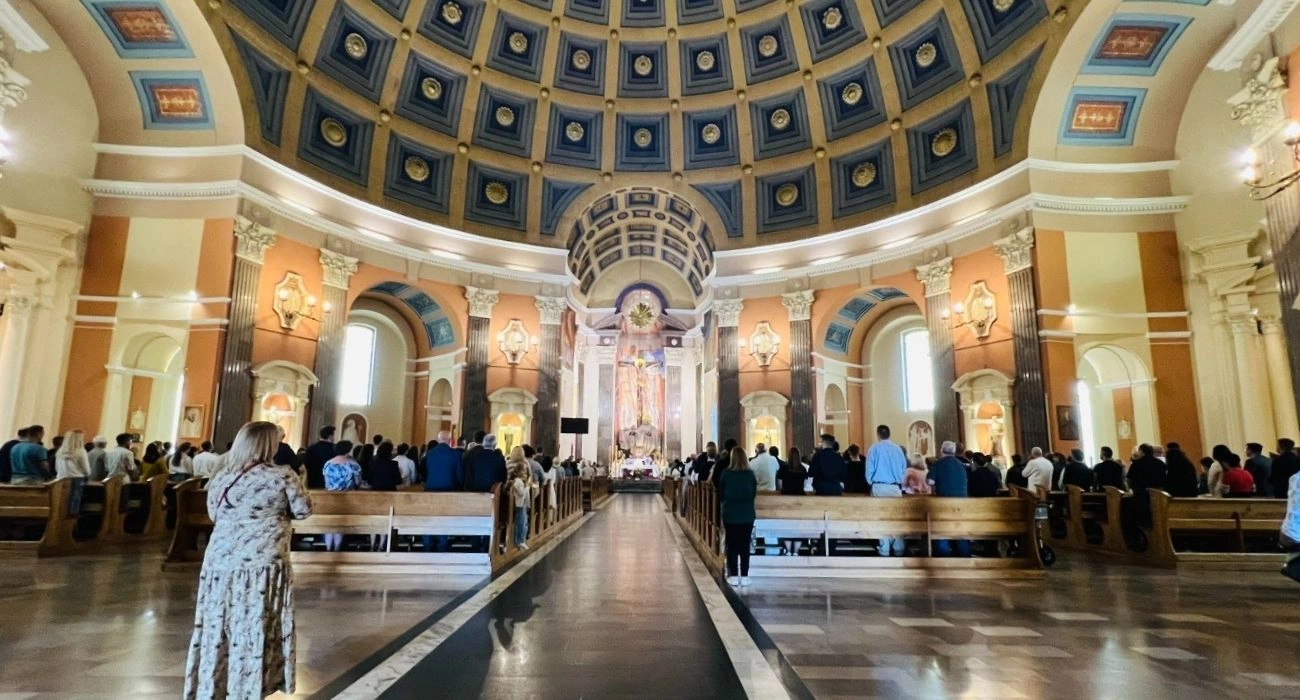
At the heart of Bydgoszcz stands the Basilica of St. Vincent de Paul, one of Poland's most distinctive churches and an architectural landmark inspired by Rome's Pantheon. It is also the place where Rev. Sławomir Bar, CM serves as parish priest, rector of the basilica and president of the Bydgoszcz Association of Mercy. Yet while his daily work is connected to one of the city's most recognizable religious spaces, much of his mission extends far beyond its walls—to people experiencing homelessness, poverty, loneliness, social exclusion and uncertainty about their future.
Born in Nysa, Poland, in 1975, Sławomir Bar grew up in a family where helping others was treated as a natural responsibility. His mother worked for the Polish Red Cross and later in social assistance, while his father was involved in the Solidarity movement and ran a construction business. His family environment placed strong emphasis on responsibility, faith and respect for others.
Although he initially considered studying psychology at Jagiellonian University, Bar eventually chose the priesthood and entered the seminary of the Congregation of the Mission in Kraków. His vocation would soon take him beyond Poland, where missionary work would profoundly influence his understanding of what service could mean.
A Missionary Experience That Changed His Understanding of Service
During his studies, Bar spent six years participating in missionary work in Kharkiv, Ukraine. There, he helped develop a parish, a missionary center and a support facility for children without adequate care.
The experience became an important foundation for his later approach to ministry. It taught him that serving people cannot stop at words, religious instruction or spiritual guidance. When people face hunger, homelessness, poverty or exclusion, compassion must also respond to their immediate and practical needs.
After being ordained in 2001, Bar was assigned to Bydgoszcz, where he quickly became involved in work with young people. He established the community “Believers, Non-Believers and Seekers,” bringing together high-school and university students around conversations about faith, shared initiatives and support for people in need.
The community eventually grew to approximately 150 participants, establishing an early pattern that would define his later work: bringing people together around both reflection and action.
When Priesthood Moves Beyond the Church Walls
Bar's social work developed further through his experiences in Kraków and Skwierzyna, where he became involved in assistance for people experiencing homelessness and other forms of social hardship.
In 2010, he returned to Bydgoszcz with the task of rebuilding the local youth community. A year later, he began working with the Bydgoszcz Association of Mercy, initially as its spiritual advisor and later becoming its president.
What began as a modest community kitchen serving several dozen meals a day gradually evolved into a much broader social-support organisation.
Today, the association prepares approximately 300 meals every day, but food assistance represents only one part of its mission.
For Bar, the objective is not simply to provide temporary relief. It is to create pathways through which people can regain stability, independence and a sense of personal dignity.
Rebuilding a Person, Not Simply Providing a Meal
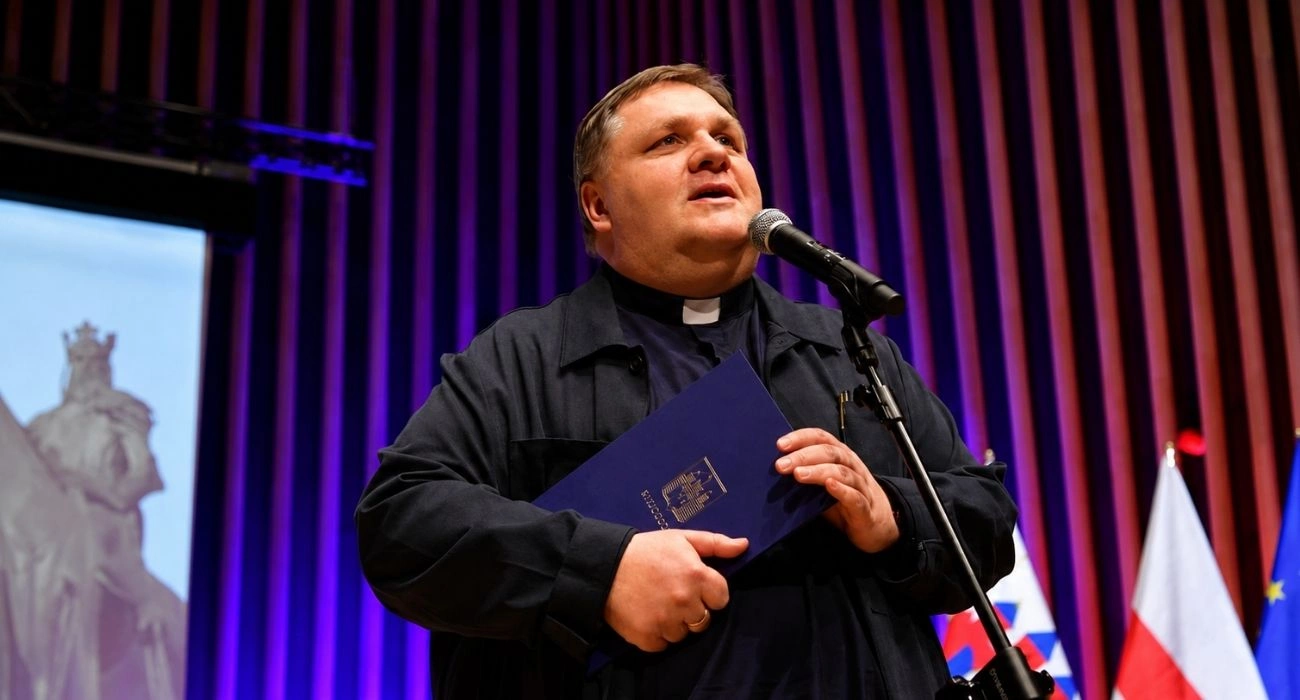
The philosophy behind Bar's work is deeply connected to the teachings of St. Vincent de Paul, the patron of his congregation and one of the historic figures associated with organised assistance for people living in poverty.
The principle is straightforward: material assistance should be accompanied by opportunities for people to rebuild their lives.
Under Bar's leadership, the Bydgoszcz Association of Mercy has developed a support system covering food assistance, medical care, psychological support, legal guidance and employment-related assistance. According to information provided by the association, the programme achieves a reported effectiveness rate of approximately 60–70%.
His initiatives have also included “U Miecia” warming center, the Trampolina House for women leaving prison, the charitable “Thanks to You” shop, expanded food-storage facilities with refrigeration and freezing capacity, and a computer-access point designed to help young people facing digital exclusion.
Another initiative is the Vincentian House of Mercy of St. John Paul II, which is being developed to include a social café and is planned to open in 2026.
Together, these projects reflect a philosophy that sees social assistance not as an isolated act, but as a system capable of helping people move toward a new beginning.
600 Meals a Day When the Crisis Was at Its Worst
The COVID-19 pandemic became one of the most demanding periods for Bar and the organisation he helped lead.
As many institutions were forced to reduce their activities, Bar and fellow priests continued preparing and distributing food. For 46 consecutive days, they personally helped provide as many as 600–700 meals per day.
At the same time, emergency accommodation was established for people experiencing homelessness who faced particular vulnerability during the period of isolation.
The episode became a powerful example of Bar's broader philosophy: compassion becomes most meaningful when it continues precisely when circumstances make action most difficult.
His work has also extended beyond Bydgoszcz. In 2024, when southwestern Poland was hit by devastating floods, he organised one of the first humanitarian convoys to Lewin Brzeski, involving more than 20 delivery vehicles carrying assistance to affected communities.
Where Faith Meets Culture and Community
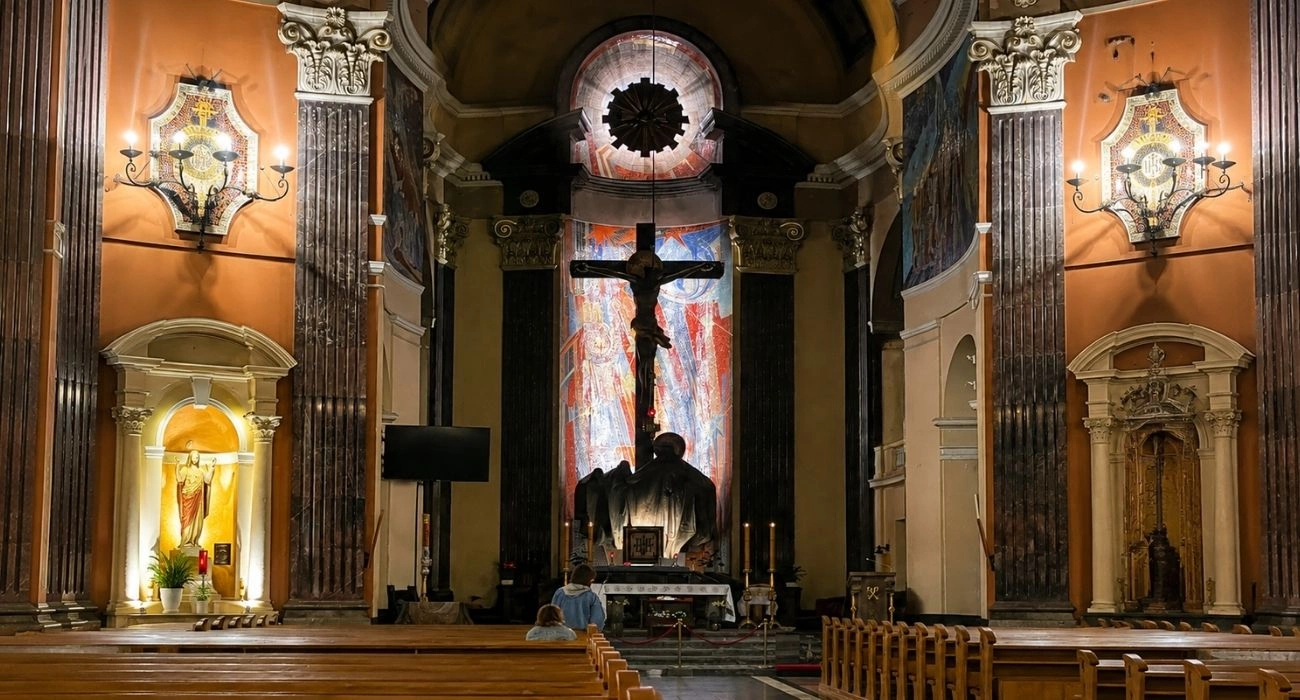
Bar's work is not limited to social assistance. Since 2011, he has also organised the “New Perspective” Festival, an event connecting faith, culture, music and dialogue.
The festival has brought together musicians, academics, writers and cultural figures, creating a space where different perspectives can meet. Its participants have included artists such as Litza, TSA, Armia, T.Love, Stanisław Soyka, Mezo and Sztywny Pal Azji, alongside figures from academia and culture.
Beyond the festival, Bar organises retreats, formation trips, holidays for children from disadvantaged families and initiatives connecting young people, seniors and people experiencing difficult circumstances.
This combination of social action and cultural engagement reflects another important dimension of his work: communities are strengthened not only through material assistance, but also through opportunities to participate, communicate and belong.
Understanding Compassion From the Other Side
Bar's commitment to people experiencing homelessness is also shaped by personal experience.
During a difficult period in his fifth year of priesthood, he experienced a crisis that prompted deeper reflection on his vocation. One of the moments that helped him regain perspective came from his father, who told him that whatever happened, there would always be a place for him at home.
Later, in an effort to better understand the experience of people living without stable housing, Bar spent nearly two years sleeping on the floor.
The decision was inspired by the philosophy associated with St. Vincent de Paul: before speaking to someone about faith, one must first respond to their hunger and basic human needs.
For Bar, this became more than an abstract principle. It became a way of understanding service through empathy rather than distance.
Recognition Is Not the Measure of Success
Bar's work has received several forms of recognition, including the Kazimierz Wielki Medal, an award from the Society of Friends of Children and the title Bydgoszcz Citizen of the Year 2025.
Yet he does not define success through awards, buildings or completed projects.
Instead, he describes his greatest achievement as the ongoing process of changing himself through service to others.
That perspective provides an important key to understanding his work. The institutions he has helped create are significant, but their deeper purpose is human: giving people who have experienced exclusion the possibility of recovering dignity, confidence and independence.
- Sławomir Bar was ordained as a priest in 2001 and later became deeply involved in youth work and social assistance in Bydgoszcz.
- The Bydgoszcz Association of Mercy has developed a support system extending beyond food assistance to include medical, psychological, legal and employment-related support.
- During the COVID-19 crisis, Bar and fellow priests helped distribute as many as 600–700 meals per day for 46 consecutive days.
When Mercy Becomes a Legacy
The story of Sławomir Bar demonstrates that compassion becomes most powerful when it moves beyond intention and becomes organised action. His journey—from missionary work in Ukraine to building social-support initiatives in Bydgoszcz—shows how faith, empathy and professional organisation can work together to create meaningful change. More importantly, his work reflects a belief that the purpose of helping someone is not simply to make their present circumstances easier, but to help them rediscover dignity, confidence and the possibility of a different future. His story is a reminder of the kind of human leadership and social impact that BritishPEDIA seeks to document—individual journeys in which personal conviction becomes a contribution that reaches far beyond the individual.
Categories
Tagged in this story
Image sources