
Sławosz Uznański-Wiśniewski: Poland's Return to Space
Written by Admin • 2026-06-17 03:47:00
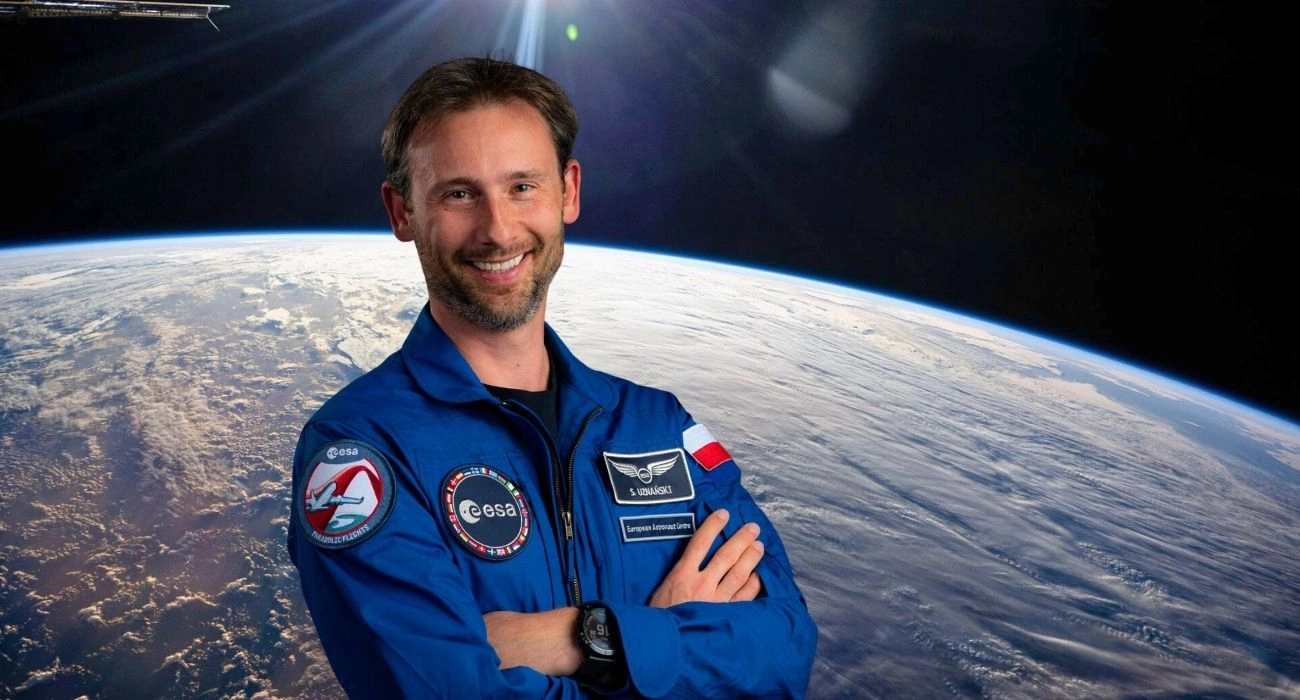
🥇 When Poland Looked Upward Again
Nearly fifty years after its last astronaut mission, Sławosz Uznański-Wiśniewski's journey to the International Space Station became a symbol of scientific ambition, international cooperation, and inspiration for a new generation of explorers.
From Łódź to the International Space Station
Born in Łódź, Sławosz Uznański-Wiśniewski built his career as an engineer and scientist, focusing on advanced technologies and complex research systems. His professional path eventually led him to CERN, one of the world's most respected scientific institutions and a global center for cutting-edge research.
In 2022, he was selected as a member of the European Space Agency's astronaut reserve, an achievement that immediately attracted attention within the scientific community. Yet few anticipated how quickly that opportunity would evolve into one of the most significant moments in modern Polish space history.
His selection represented not only personal excellence but also the growing presence of Polish researchers and engineers within international scientific initiatives.
The Ignis Mission
The mission that would bring Uznański-Wiśniewski into orbit was called Ignis, the Latin word for "fire." As part of Axiom Mission 4, the expedition was developed through cooperation between the Polish government, the European Space Agency, and international partners.
Unlike symbolic space flights of the past, Ignis was designed as a comprehensive scientific mission. The objective was not simply to send a Polish astronaut to the ISS, but to conduct meaningful research that could contribute to future technological and scientific development.
The mission therefore became both a national milestone and a platform for advancing knowledge in multiple fields of study.
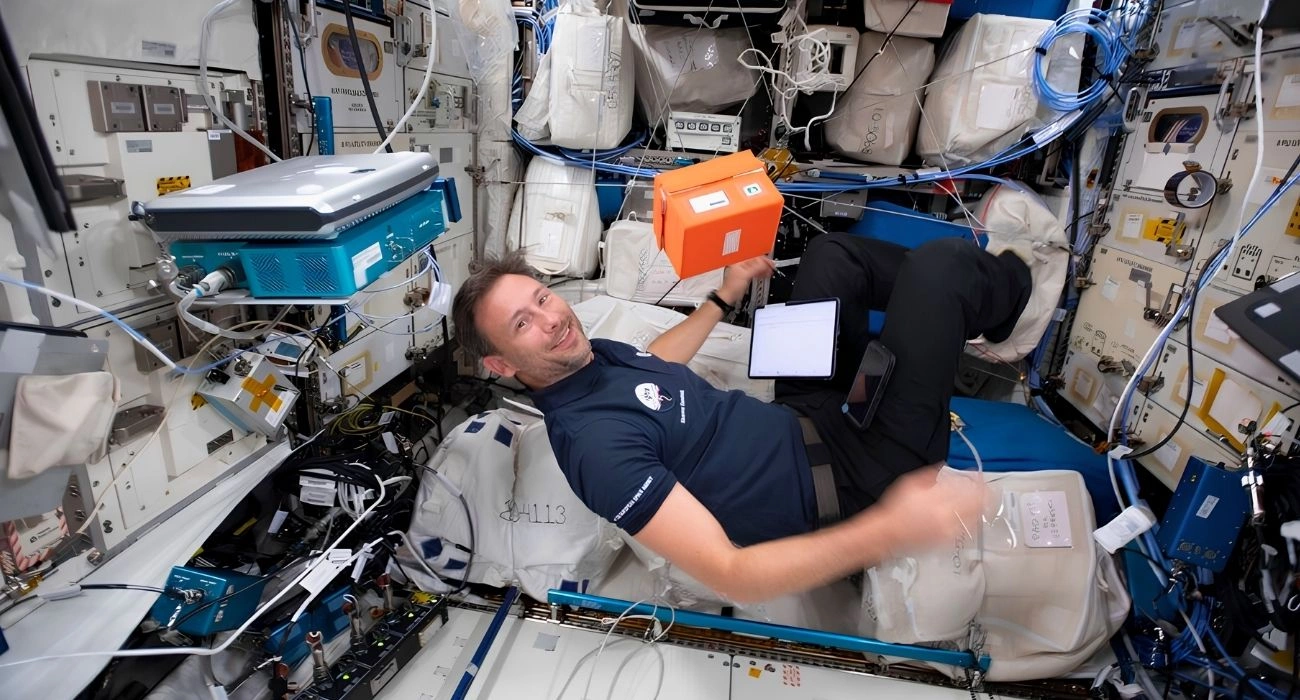
A Historic Journey Beyond Earth
On 25 June 2025, a SpaceX Falcon 9 rocket launched from Kennedy Space Center in Florida, carrying the crew of Axiom Mission 4 toward the International Space Station.
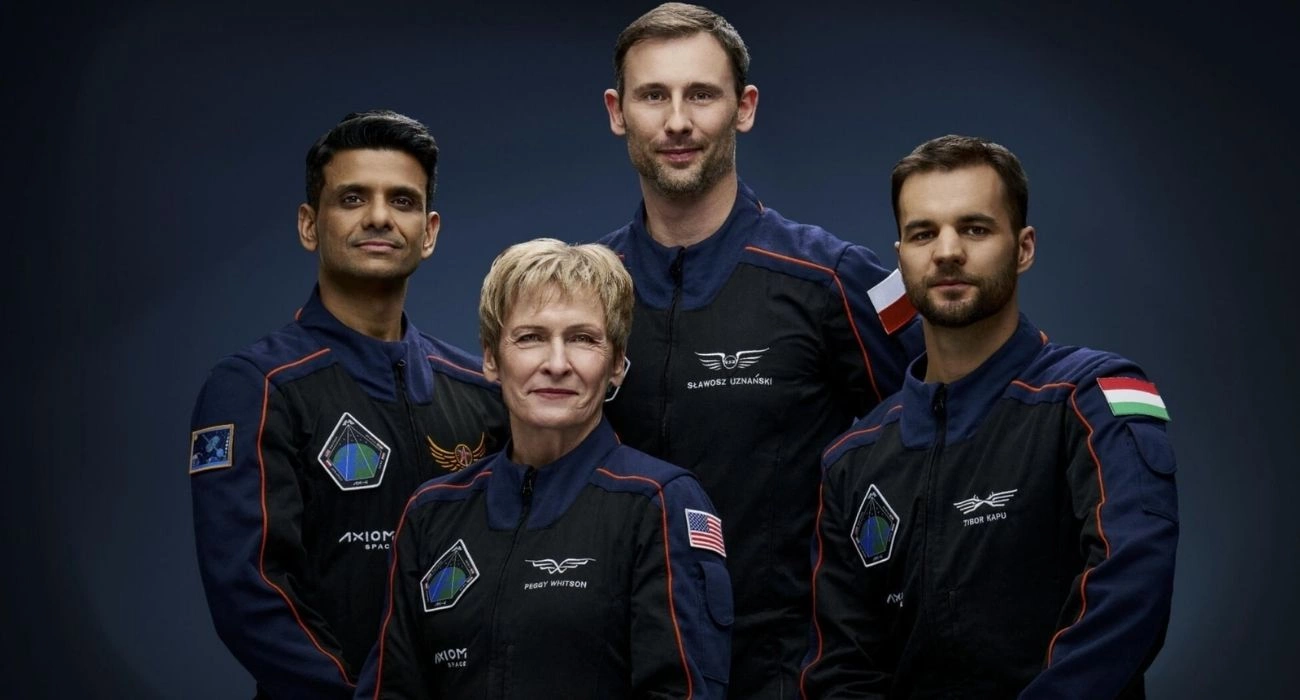
Together with commander Peggy Whitson, pilot Shubhanshu Shukla of India, and mission specialist Tibor Kapu of Hungary, Uznański-Wiśniewski began a journey watched live by millions of people. After more than a day in orbit, the Dragon spacecraft successfully docked with the ISS, marking a historic moment for Poland.
For many viewers, the launch carried profound emotional significance. Poland had not sent an astronaut into space since Mirosław Hermaszewski's mission in 1978. Nearly fifty years later, a new generation finally witnessed one of its own reaching orbit.
Science at the Heart of the Mission
While the launch generated public excitement, scientific research remained the mission's central purpose.
During his stay aboard the ISS, Uznański-Wiśniewski conducted a series of experiments proposed by Polish universities, research institutions, and scientific organizations. The research program included studies in biotechnology, human physiology, materials science, and space technologies.
Collectively, these projects formed one of the most ambitious Polish scientific programs ever carried out in orbit. The results are expected to contribute not only to space exploration but also to broader advances in science and technology on Earth.
Inspiring the Next Generation
Beyond its scientific objectives, the Ignis mission quickly became a source of inspiration for students, educators, and young researchers across Poland.
Schools followed the launch live, educational institutions organized discussions around the mission, and countless young people saw, perhaps for the first time, a Polish scientist working aboard the International Space Station.
Throughout the mission, Uznański-Wiśniewski emphasized that his achievement belonged not only to him but also to the teachers, engineers, researchers, and students whose efforts contribute to scientific progress every day. His message reinforced the idea that great achievements are often the result of collective dedication rather than individual success alone.
A Model of International Cooperation
The symbolism of the mission extended far beyond national pride.
The crew of Axiom Mission 4 represented four different countries working together toward a shared objective. Their cooperation reflected the reality of modern space exploration, where international partnerships play an essential role in advancing scientific knowledge and technological innovation.
Upon arriving at the station, Uznański-Wiśniewski described the experience as one of the most magical moments of his life and praised the ISS as a unique example of nations collaborating for the benefit of humanity. In an increasingly interconnected world, the mission demonstrated how scientific cooperation can transcend borders and differences.
Looking Upward Again
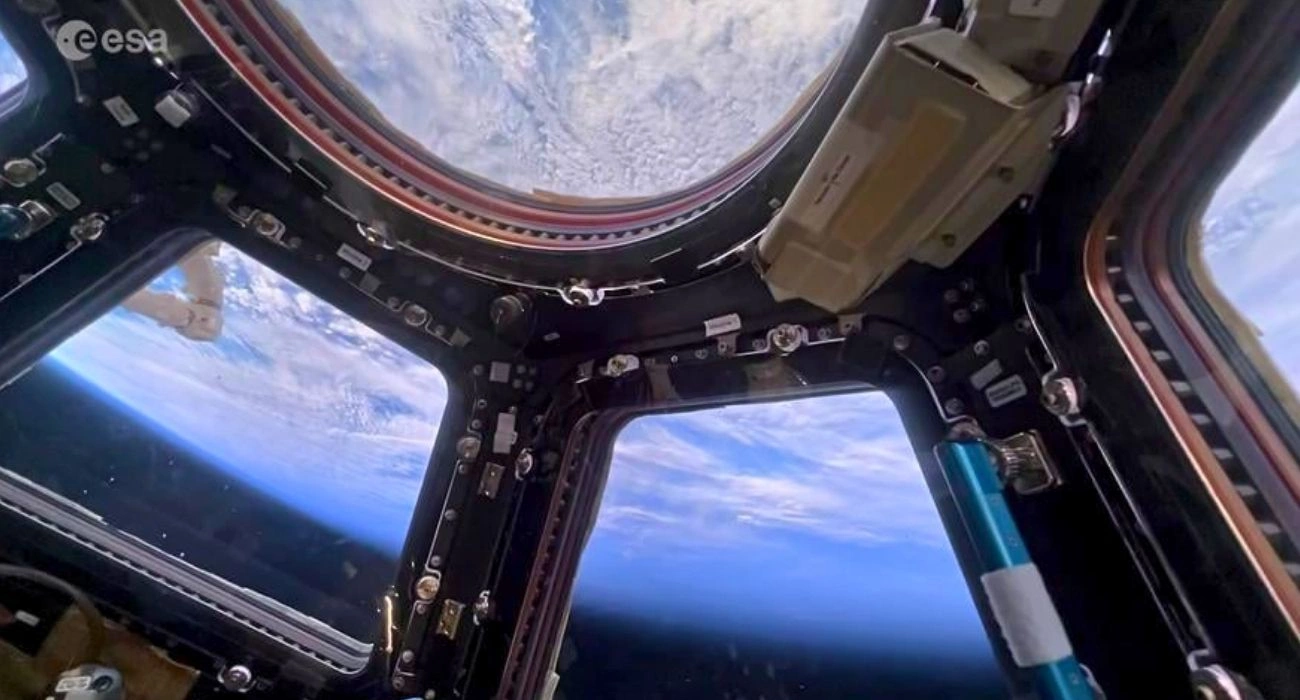
Unlike many stories that dominate headlines, the Ignis mission was not driven by controversy, politics, or celebrity culture. Instead, it captured public imagination through science, perseverance, and curiosity.
At a time when attention is often focused on division and uncertainty, the mission reminded millions of people that humanity continues to pursue knowledge, exploration, and innovation. It offered a powerful example of what can be achieved when education, research, and international collaboration work together toward a common goal.
For Poland, the journey represented far more than a successful mission to orbit. It signaled a renewed commitment to science and innovation while inspiring future generations to dream beyond conventional boundaries.
- Sławosz Uznański-Wiśniewski became the first Polish astronaut to visit the International Space Station.
- The Ignis mission included one of the largest Polish scientific research programs ever conducted in orbit.
- The mission marked Poland's return to human spaceflight nearly 50 years after Mirosław Hermaszewski's historic journey in 1978.
— Konstantin TsiolkovskyThe Earth is the cradle of humanity, but mankind cannot stay in the cradle forever.
CONTRIBUTION TO SOCIETY
The Ignis mission strengthened public awareness of science, technology, engineering, and research while inspiring students and young professionals to pursue careers in STEM fields. It also demonstrated the value of international cooperation in addressing complex scientific challenges and advancing human knowledge.
Beyond the Mission
Nearly fifty years after Poland's first journey into space, Sławosz Uznański-Wiśniewski helped open a new chapter in the nation's scientific story. Yet the true significance of the Ignis mission extends beyond the International Space Station itself. By demonstrating what can be achieved through education, research, perseverance, and collaboration, the mission serves as a reminder that exploration is not only about reaching new destinations—it is also about inspiring future generations to believe that they can reach them too.
Categories
Tagged in this story
Image sources