
Tadej Pogačar: The Mindset Behind a New Era of Cycling
Written by Admin • 2026-10-26 02:14:00
Tadej Pogačar, the Slovenian cycling champion, embodies the fusion of physical strength and tactical intelligence necessary for success in modern professional cycling. His journey illustrates the importance of preparation, adaptability, and courage in achieving sustained excellence.
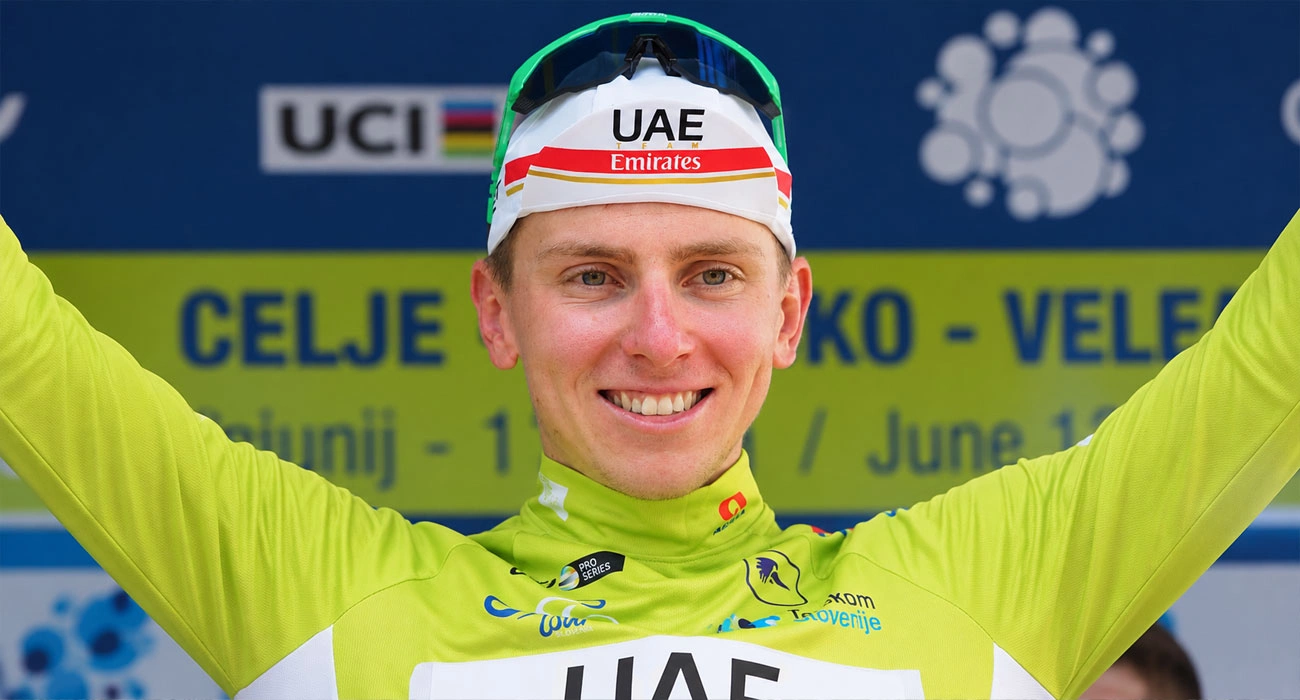
Tadej Pogačar: Inside the Mind of a Cycling Champion
Explore how Slovenian cyclist Tadej Pogačar combines endurance, tactical courage and consistency to shape modern professional road racing.
A Slovenian Talent on the World Stage
Born in Komenda, Slovenia, in 1998, Tadej Pogačar developed into one of professional cycling's most prominent competitors. His career has brought him success across different types of races, from demanding mountain stages to prestigious one-day classics. Road cycling places extraordinary demands on athletes, requiring them to manage endurance, nutrition, recovery, positioning, and tactical decisions over long distances. A race can change due to weather, terrain, a rival's attack, or a moment of hesitation, making success depend on more than just physical strength.
Pogačar has become particularly associated with an aggressive and adaptable racing style. Rather than relying exclusively on one type of terrain, he has demonstrated an ability to compete across varied race formats. This versatility has helped establish his reputation as a rider capable of pursuing ambitious goals throughout the season, showcasing his commitment to excellence in every event.
Performance Built on Preparation
Elite cycling is often decided by details that audiences cannot easily see. Training schedules, recovery routines, nutrition, equipment choices, and communication with team staff all influence a rider's ability to perform when competition becomes intense. Pogačar's achievements reflect the combined work of an athlete and a support system, illustrating the importance of strategic preparation in achieving success.
Professional cycling teams coordinate race strategy, sports science, mechanics, medical support, and logistics, creating an environment where talent can thrive. While the rider remains responsible for making decisions in the race, these choices are supported by extensive preparation. This offers a valuable lesson about high performance: individual talent matters, but sustainable excellence also depends on systems that help talent develop.
The strongest performance combines preparation, courage and the ability to adapt when the race changes.— Editorial Team
Courage and Tactical Adaptability
Pogačar's willingness to attack from distance has become a distinctive feature of his racing identity. Such moves carry risk; an early attack can consume energy that may be needed later. However, waiting too long can allow rivals to control the race. The challenge lies in recognizing when an opportunity is worth pursuing, which requires reading competitors, understanding the course, and balancing ambition against the physical demands of the event.
His performances across stage races and one-day classics demonstrate the value of tactical flexibility. A strategy that works in the mountains may not be suitable for a flat sprint or a technical one-day race. Champions like Pogačar must adjust their decisions to the specific challenge rather than depend on a single formula, showcasing the importance of adaptability in elite sport.
Facts & Insights
- Pogačar was born in Komenda, Slovenia, on 21 September 1998.
- He won the Tour de France in 2025 for the fourth time.
- He secured a second consecutive men's elite road-race world championship in 2025.
Sustaining Excellence Across Seasons
Winning once can establish an athlete's reputation, but repeating that success requires a different level of consistency. Rivals study previous performances, expectations increase, and every season introduces new physical and tactical challenges. Pogačar's 2025 results showed an ability to maintain a high competitive level across a demanding calendar, which is essential for any champion.
His fourth Tour de France title and second consecutive world road-race championship were significant milestones. Such achievements should not be understood as the result of determination alone; they reflect years of training, professional support, strategic planning, and the ability to perform at the right moment. Pogačar’s journey illustrates how an athlete must continually adapt as competitors improve and new challenges emerge.
1998
Year of Birth
2019
Joined UAE Team Emirates
4
Tour de France Titles by the End of 2025
20
Race Victories During the 2025 Season
What Leaders Can Learn from Elite Sport
Pogačar's career offers lessons beyond cycling. High-performing teams need clear goals, trust between individuals, and support systems that enable people to make decisions under pressure. His example highlights the value of versatility; a narrow strength can bring success, but the ability to adapt across different conditions can create more opportunities.
Ultimately, elite performance is not simply about pushing harder. It is about knowing when to conserve energy, when to take a risk, and how to remain effective over time. Those decisions help distinguish a single outstanding result from a sustained record of achievement, providing a roadmap for professionals in any field to follow.
Tadej Pogačar's career exemplifies how elite performance emerges from the combination of talent, preparation, and intelligent risk-taking. His results have established him among the defining cyclists of his generation, but his broader significance lies in the way he approaches varied challenges with confidence and adaptability.
Categories
Tagged in this story
Image sources
Oleh Petar Milošević - Karya sendiri, CC BY-SA 4.0, https://commons.wikimedia.org/w/index.php?curid=119473622 [upscaled by using generative image]