
The AI Coach Is Arriving: How Technology Is Changing the Way Athletes Train
Written by Admin • 2026-09-10 01:08:00
Artificial intelligence is moving onto the training ground. From basketball trainers to connected performance platforms, new technology is beginning to turn athletic data into personalised coaching in real time.
The AI Coach Is Arriving: How Technology Is Changing the Way Athletes Train
Explore how AI coaches, connected training platforms and performance technology are changing the way athletes train, compete and improve.
From Tracking Performance to Understanding It
The integration of artificial intelligence into sports training signifies a transformative shift from merely tracking athlete performance to a deeper understanding of it. Athletes now benefit from systems that not only record their movements but also analyze and provide real-time feedback. This evolution is particularly evident in basketball, where AI technologies are emerging as essential tools for coaches and trainers. These systems utilize advanced algorithms to interpret data collected from various sensors, allowing for personalized training regimens and insightful strategy recommendations.
As AI continues to evolve, its applications are expanding beyond professional environments, reaching recreational athletes and everyday fitness enthusiasts. By harnessing the power of connected sensors and mobile training platforms, athletes at all levels can now access tailored insights that were once reserved for elite competitors. This democratization of training intelligence not only enhances individual performance but also fosters a more inclusive athletic community.
What an AI Coach Can Actually See
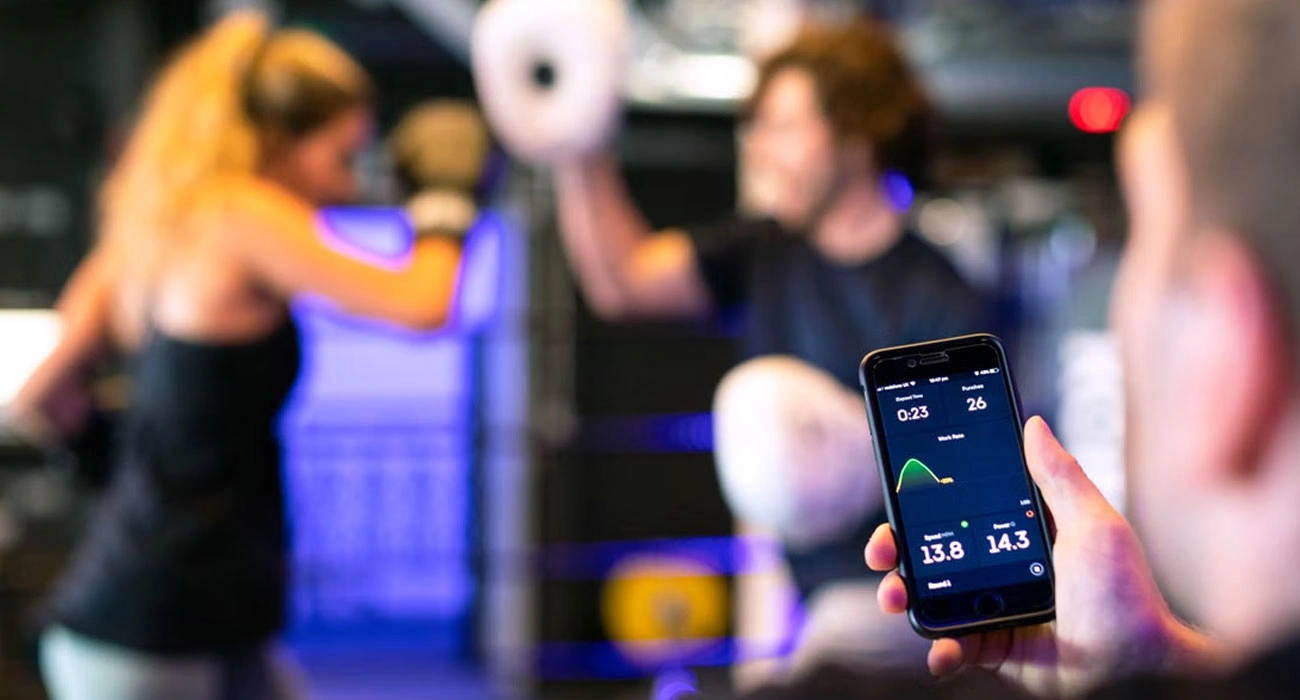
AI coaches are equipped to capture a wide array of performance metrics that human coaches may overlook. These systems can analyze factors such as speed, agility, endurance, and even emotional states through biometric data. By interpreting this information, AI coaches can offer athletes personalized feedback that is data-driven and actionable. For example, an AI basketball trainer can analyze shooting patterns and suggest adjustments to improve accuracy, all in real-time during practice sessions.
Furthermore, AI-driven platforms can learn from each training session, adapting their recommendations based on an athlete’s progress over time. This continuous learning environment provides a level of insight that enhances the effectiveness of training, ensuring athletes are always working toward their peak performance.
AI-driven training and athlete-brand storytelling continue to reshape the industry.— TrendHunter's September 2026 sports trends report
Personalised Training at Scale
One of the most compelling aspects of AI in sports training is its ability to deliver personalized experiences at scale. With the rise of connected training ecosystems, athletes can now receive individualized training plans that cater to their unique needs, preferences, and performance goals. This level of customization was previously the domain of only the most elite athletes, but AI is changing that landscape.
Connected platforms can aggregate data from multiple sources, allowing for a comprehensive view of an athlete’s performance. These insights can be utilized to adjust training intensity, recovery protocols, and even nutritional plans based on real-time feedback. As a result, athletes can optimize their training regimens without the need for constant supervision from human coaches.
Facts & Insights
- September 2026 sports trend analysis identifies AI basketball trainers as one of the emerging developments in athletic technology.
- AI is expanding beyond professional sport into recreational training and everyday performance optimisation.
- Connected training platforms are increasingly combining data collection with personalised performance recommendations.
The Human Coach Still Matters
Despite the advancements in AI coaching, the role of the human coach remains crucial. While AI can provide data-driven insights, it lacks the emotional intelligence, motivational skills, and ethical considerations that human coaches bring to the table. The most effective training environments will likely be those where AI and human coaching coalesce, leveraging the strengths of each.
Human coaches can interpret the feedback provided by AI systems, contextualizing it within the broader scope of an athlete’s training journey. This partnership allows coaches to focus on the psychological aspects of training, fostering an environment of encouragement and growth while utilizing AI to inform their strategies.
55
Sports Trends
3+
AI Training Models
24/7
Data Feedback
1:1
Personalisation
The Next Generation of Athletic Performance
The arrival of AI in athletic training does not necessarily make sport less human. In many ways, it could make the human side of coaching more valuable. When machines handle measurement, pattern recognition, and repetitive analysis, coaches can devote more attention to motivation, decision-making, psychology, and the individual athlete. The most powerful model may therefore be neither human nor machine alone, but the partnership between them.
As technology becomes increasingly capable of understanding performance, the competitive advantage may belong to athletes and coaches who know how to turn that information into better decisions. This partnership could usher in a new era of athletic excellence, where personalized training becomes the norm, and performance is optimized through the intelligent collaboration of human insight and machine learning.
Categories
Tagged in this story
Image sources
Pexels - Photo by ThisIsEngineering