
The AI Fighting Wildfires Before They Become Disasters
Written by Admin • 2026-09-02 02:00:00
Canadian researchers are developing AI technology designed to predict wildfire spread, giving firefighters crucial time to respond. This innovative approach uses aerial imagery to analyze fire behavior and improve emergency preparedness and community safety.
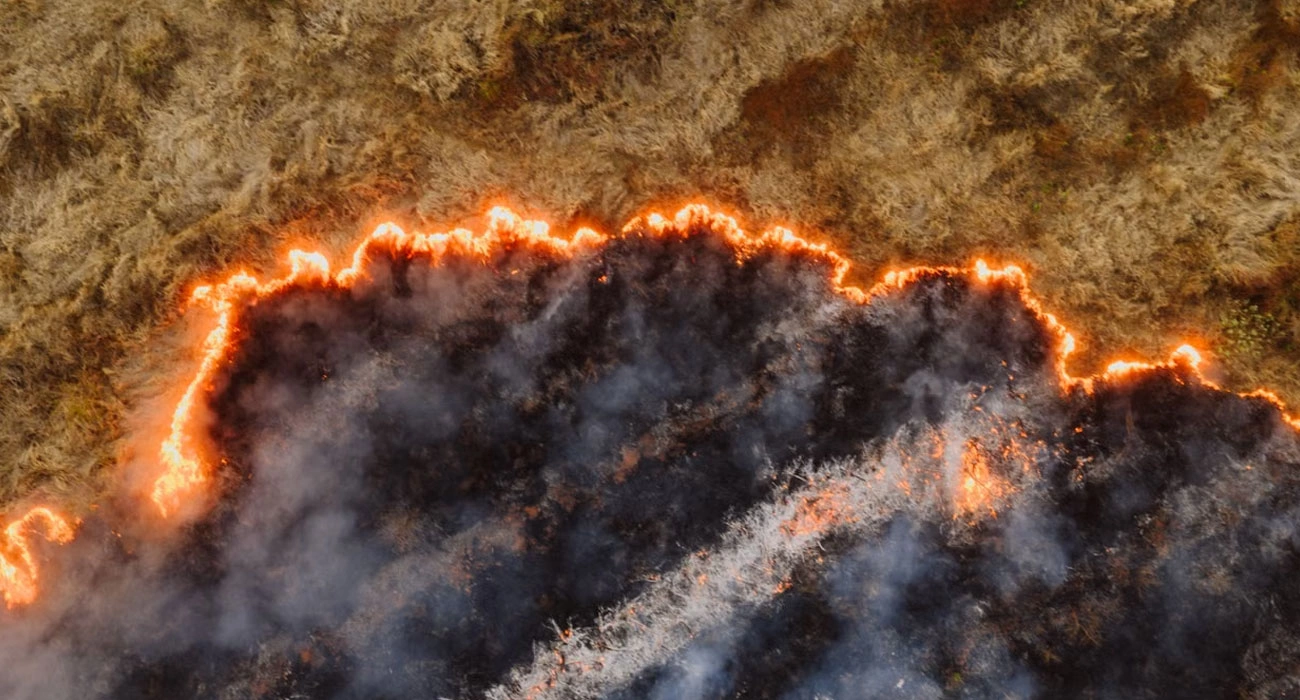
The AI Fighting Wildfires Before They Become Disasters
When a wildfire moves quickly, every minute matters.
The Race Against a Moving Fire
Wildfires are unpredictable and can change direction in an instant, making them one of the most challenging natural disasters to manage. In Canada, the threat of wildfires is becoming more pronounced due to climate change, leading to longer fire seasons and more intense blazes. Accurately predicting the path of a wildfire is essential for effective firefighting and evacuation strategies. The difficulty lies in not only detecting the fire's current location but also forecasting its potential spread based on environmental conditions such as wind, humidity, and topography.
This is where artificial intelligence (AI) comes into play, offering a promising solution to enhance prediction capabilities. By analyzing vast amounts of aerial imagery, AI can identify patterns and variations in fire behavior that might be missed by human observers. The goal is to provide firefighters with critical information that can help them make informed decisions quickly, potentially saving lives and resources.
Teaching AI to Read Flames and Smoke
The development of AI for wildfire prediction involves training algorithms to interpret aerial footage of flames and smoke. Researchers utilize machine learning techniques to teach these AI systems how to recognize various fire characteristics and environmental factors that influence fire behavior. By feeding the AI a diverse dataset of aerial images taken in different conditions, it learns to distinguish between fire intensities, smoke dispersal, and other critical indicators of wildfire dynamics.
As AI systems improve, they can provide real-time data analysis, allowing emergency responders to receive updates on wildfire progress almost instantaneously. This capability is crucial for timely decision-making, enabling responders to allocate resources more effectively and execute evacuation plans when necessary.
TankerVision and the Science Behind the System
The TankerVision project, developed by a collaboration of researchers from the University of Toronto, Natural Resources Canada, and Simon Fraser University, embodies this innovative approach to wildfire management. By leveraging AI technology and aerial imagery, TankerVision aims to enhance the predictive capabilities of firefighting efforts. This system analyzes live footage from drones and other aerial sources to assess current fire conditions and project future spread.
The interdisciplinary team behind TankerVision combines expertise from climate science, computer science, and emergency management, ensuring that the technology is both scientifically sound and practical for real-world application. As this technology continues to evolve, it could significantly reshape how firefighters respond to wildfires and protect communities.
The real value of predictive AI during a disaster is not knowing what happened—it is knowing what may happen next.— Editorial framing
From Prediction to Evacuation
Accurate wildfire predictions can dramatically improve decision-making processes for emergency responders. With better forecasts, firefighting teams can prioritize areas for intervention and allocate resources more effectively, reducing response times. Additionally, these predictions enable officials to issue timely evacuation orders, ensuring that communities are alerted before a fire threatens their safety.
The integration of AI into wildfire management not only aims to save property and resources but also to safeguard lives. By giving communities a clearer understanding of imminent threats, individuals can make informed decisions about their safety and prepare adequately for emergencies.
Facts & Insights
- University of Toronto researchers are developing AI models that analyse aerial wildfire footage to predict fire growth.
- The TankerVision project involves researchers from the University of Toronto, Natural Resources Canada and Simon Fraser University.
- The technology is designed to support decisions involving firefighting resources and potential evacuations.
AI as Emergency Infrastructure
The role of AI in emergency management extends beyond wildfires. As climate-related disasters become more frequent and complex, AI can serve as a vital component of emergency infrastructure. It offers the potential to streamline responses across various types of natural disasters, from floods to hurricanes, by providing rapid analysis and data-driven insights.
By enhancing predictive capabilities, AI can help communities become more resilient to the impacts of climate change. The technology not only aids in immediate response but also contributes to long-term planning and resource allocation, ensuring that communities are better prepared for future emergencies.
1
AI Wildfire Prediction System
3
Research Institutions Involved
24/7
Potential Monitoring
1
Critical Resource: Time
Can Machines Give Communities More Time?
As AI technologies like TankerVision continue to develop, they hold the promise of transforming disaster response. The ability to predict wildfire behavior in real-time could grant firefighters and communities the invaluable resource of time—time to prepare, evacuate, and respond effectively. This could be the difference between a controlled response and a catastrophic disaster.
In an era where climate change intensifies the frequency and severity of natural disasters, the integration of AI in emergency management represents a significant advancement. It highlights a shift in focus from merely managing the aftermath of disasters to proactively preventing their escalation.
The wildfire technologies emerging from Canada demonstrate a more consequential side of artificial intelligence. Here, the objective is not to replace human judgment but to strengthen it at the moment when decisions become most difficult. By turning aerial imagery into predictive information, researchers are exploring whether technology can give firefighters and communities something invaluable: more time to prepare, respond, and protect lives. As climate-related disasters become more complex, this combination of science, engineering, and public purpose may become one of the most important applications of AI.
Categories
Tagged in this story
Image sources
Pexels - Photo by K