
The Circular City: Why Tomorrow’s Buildings May Begin with Yesterday’s Materials
Written by Admin • 2026-10-28 01:39:00
Topics
Circular construction challenges the idea that demolition is the default end of a building’s life. Research from New York State explores how deconstruction, material reuse, and collaboration could help cities move towards a more circular built environment.
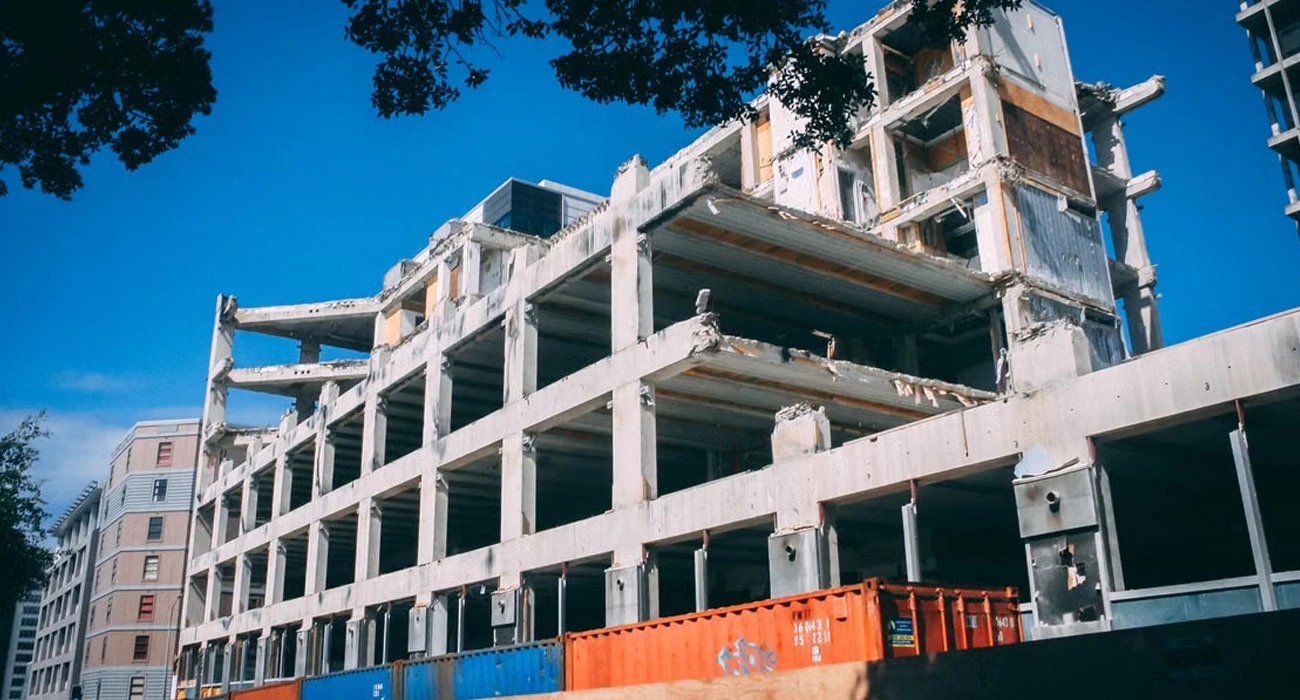
The Circular City: Why Tomorrow’s Buildings May Begin with Yesterday’s Materials
Exploring the potential of circular construction to transform urban development.
A Different Way to Think About Construction
When a building reaches the end of its original purpose, demolition is often seen as the natural progression. This process typically involves tearing down the structure, transporting waste away, and initiating a new project. While this approach may seem straightforward, it often overlooks materials that still hold significant value. Circular construction challenges this norm by encouraging us to view buildings not merely as temporary assemblies destined for waste, but as potential resources that can be retained, recovered, and reused.
In the broader context of the circular economy, this innovative approach seeks to preserve resource value through methods like reuse, repair, refurbishment, and recycling. In the construction sector, adapting these principles requires addressing specific technical demands related to safety regulations, material quality, and long-term performance. Instead of preserving every structure indiscriminately, the goal is to make informed decisions about what can be safely reused and what should be recovered when buildings are altered or removed.
Why Demolition Creates an Opportunity for Innovation
Buildings contain a wealth of materials, including steel, timber, bricks, and various fixtures, which can be reused if properly removed and assessed. Traditional demolition methods often prioritize speed, leading to the loss of potentially valuable materials. In contrast, deconstruction focuses on careful disassembly, preserving material value that would otherwise be lost. Although this method may require more planning and coordination, it opens avenues for innovation in how materials are inventoried, documented, and reintroduced into new projects.
The logistical challenges of recovered materials are significant, as their availability may not align with immediate project needs. Variability in dimensions, condition, and quantity can complicate reuse, while buyers often require detailed documentation regarding performance and compliance. Therefore, circular construction necessitates collaboration between architects, builders, and systems that facilitate the movement of recovered materials from one project to another.
The next generation of construction must consider not only what we build, but what we can retain and reuse.— Editorial Team
The Business Case for Reusing Materials
The economic potential of recovered materials can vary significantly, depending on their characteristics and the circumstances surrounding their reuse. Components that retain their functionality and architectural appeal may be highly desirable, while others may necessitate costly testing and refurbishment. For developers, the financial viability of reuse extends beyond initial purchase costs to include expenses associated with careful removal, transport, and compliance checks. Furthermore, project timelines may be complicated when reliance on recovered materials delays construction.
Despite the complexities, circular construction is not inherently more expensive than traditional methods. Its economic performance hinges on project design, material availability, and local market dynamics. Early planning, including building audits and material inventories, can enhance the predictability and reliability of reuse, allowing developers to treat this approach as a repeatable practice rather than an isolated experiment.
Facts & Insights
- Research focus: A 2026 Urban Studies paper examined pathways towards a circular construction economy in New York State.
- Emissions context: The study reports that buildings and waste management together account for 43% of annual greenhouse-gas emissions in New York State.
- System-wide approach: The research highlights roles for governments, private industry, non-profit organisations, academic institutions and citizens in advancing circular construction.
2026
Publication year of the Urban Studies research.
26 Aug
The study was first published online.
43%
Combined annual greenhouse-gas emissions attributed to buildings and waste management in New York State.
5
Stakeholder groups involved in circular construction.
Categories
Tagged in this story
Image sources
Pexels - Photo by Darcy Lawrey