
The Comeback of Night Trains: Why Europe Is Falling in Love with Rail Again
Written by Admin • 2026-08-03 01:09:00
Night trains are making a remarkable comeback across Europe as travelers increasingly seek sustainable alternatives to short-haul flights. With modern amenities and improved comfort, these sleeper services are not only convenient but also contribute to lower carbon emissions and stronger regional connectivity.
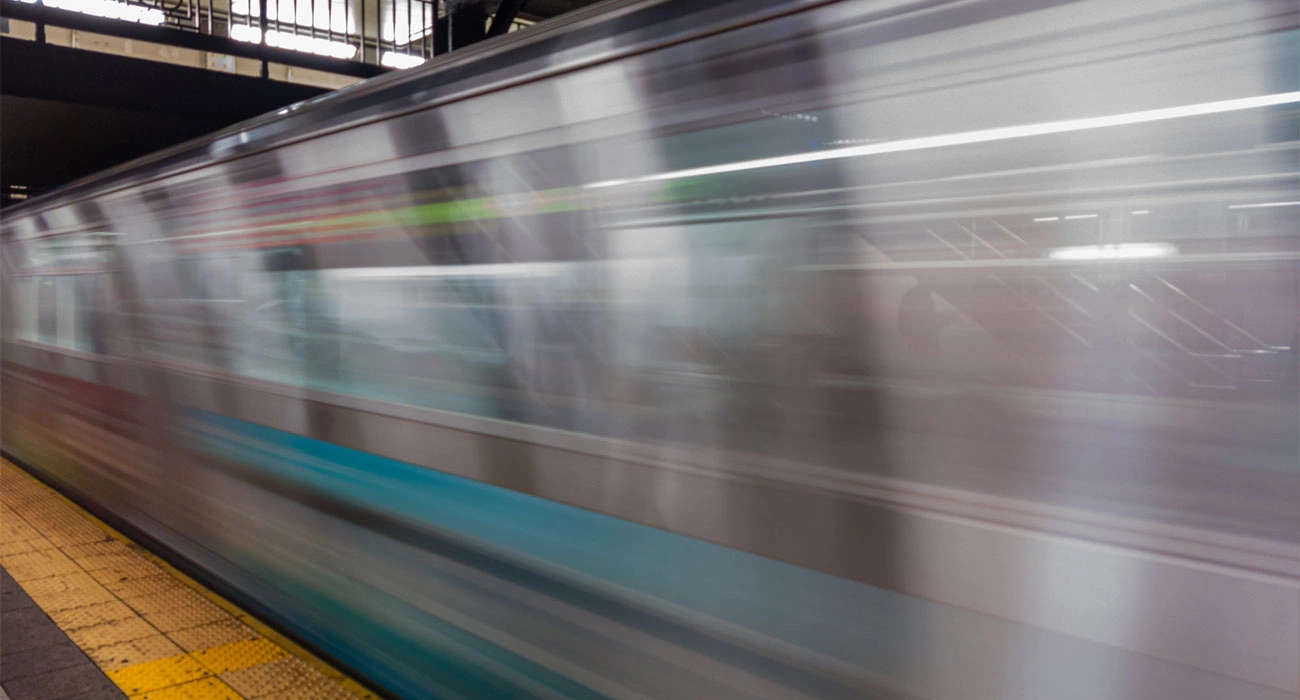
The Comeback of Night Trains: Why Europe Is Falling in Love with Rail Again
A revival of sleeper trains marks a turning point in sustainable travel.
The Rise of Night Trains
Once considered a nostalgic relic of the past, night trains are experiencing a remarkable revival as travelers seek more sustainable and comfortable alternatives to short-haul flights. With a growing emphasis on environmental consciousness, these sleeper trains are becoming a preferred choice for many. Modern sleeper services now combine comfort, sustainability, and convenience, allowing passengers to wake up in another country while reducing their environmental footprint.
As European rail operators expand sleeper train routes, they cater to the increasing demand for environmentally friendly travel options. This shift not only reflects changing passenger preferences but also highlights a broader trend toward sustainable transport solutions. With rail networks continuing to grow, overnight travel is becoming an attractive alternative for both business and leisure travelers, making it easier to discover new destinations without the environmental cost of flying.
Sometimes the most memorable journey begins while you're asleep.— Unknown
The Modern Sleeper Experience
Modern sleeper trains boast improved comfort, privacy, and onboard amenities, making them a viable option for various types of travelers. These trains now feature spacious cabins that allow passengers to relax and unwind during their journey. Additionally, onboard services often include dining options, entertainment, and Wi-Fi, ensuring that the travel experience is both enjoyable and productive.
This revitalized approach to overnight travel encourages passengers to enjoy the journey as much as the destination. With attractive pricing and convenient scheduling, the appeal of night trains continues to grow, attracting a diverse range of travelers. Whether for business meetings in another city or a leisurely getaway, sleeper trains provide an efficient and relaxing way to travel across Europe.
Facts & Insights
- European rail operators are expanding overnight routes to meet growing passenger demand.
- Sleeper trains reduce the need for short-haul flights on many regional routes.
- Modern cabins now offer improved comfort, privacy, and onboard amenities.
A Sustainable Choice for Travelers
Night trains contribute to a more sustainable mode of transport by lowering the carbon footprint associated with travel. By choosing rail over air for short distances, travelers can significantly reduce their environmental impact. This shift not only supports the goals of sustainable tourism but also strengthens regional connectivity across Europe, allowing travelers to explore diverse cultures and landscapes without contributing to climate change.
As sustainable travel becomes increasingly important, Europe's railway renaissance demonstrates that slower journeys can sometimes offer richer experiences. Night trains encourage more sustainable mobility while connecting cities and regions, creating opportunities for cultural exchange and exploration. With their modern amenities and focus on comfort, these trains are poised to play a central role in the future of European tourism.
30%
Increase in sleeper train bookings in the last year
50%
Reduction in carbon emissions compared to short-haul flights
Categories
Tagged in this story
Image sources
Pexels - Photo by David Vives